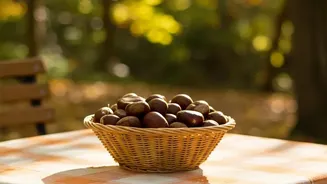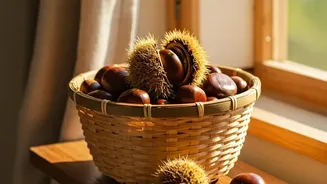


The warm, sweet, and earthy aroma of roasted chestnuts is a classic sign of the festive season. This simple pleasure can be made even more special, and you don't need to buy expensive ingredients to do it. Your own pantry holds the key.
The Art of Roasting Chestnuts
Before you can
flavour them, you need to cook them perfectly. Unlike other nuts, chestnuts have a soft, starchy texture when cooked. The most important step is to score each nut before heating. Using a sharp paring or serrated knife, carefully cut a large 'X' on the rounded side of each chestnut. This is not just for show; it prevents them from exploding under pressure as they cook and makes them much easier to peel later. Once scored, you have a few options. A popular method is to roast them in an oven preheated to around 200°C (390°F) for 20-30 minutes. They are ready when the shells begin to curl back and the nut inside is tender. You can also boil them for a few minutes before roasting to help steam them, which can make peeling easier. No matter the method, it's best to peel them while they are still warm, as the shells and inner skin come off more easily.
Creating the Perfect Herb Butter
Butter is the ideal vehicle for carrying flavour onto the warm, tender flesh of a chestnut. Creating a compound or herb butter is incredibly simple. Start with good quality butter, softened to room temperature. This allows you to easily mix in your chosen herbs and spices. For every 1/2 cup of butter, you can add one to two tablespoons of finely chopped fresh herbs or one to two teaspoons of dried herbs. Also, add a generous pinch of salt to bring out all the flavours. You can mix everything in a bowl with a fork, or for a smoother consistency, use a food processor. Once combined, you can either use the butter immediately by melting it and tossing it with the hot, peeled chestnuts, or you can roll it into a log using parchment paper and refrigerate it for later use. This herb butter isn't just for chestnuts; it's a fantastic addition to grilled meats, vegetables, or spread on fresh bread.
Classic Pantry Herb Pairings
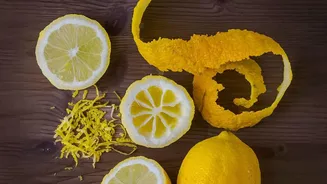
The sweet, nutty profile of chestnuts pairs beautifully with a range of woody and savoury herbs that are likely already in your kitchen. Rosemary is a classic choice, its pine-like aroma wonderfully complementing the earthy notes of the chestnut. Thyme is another excellent option, adding a subtle, grounding flavour. Sage offers a slightly peppery and savoury element that works especially well. For a brighter taste, finely chopped parsley mixed with a bit of lemon zest can cut through the richness. Don't be afraid to look at dried herbs either. Dried oregano, a staple in many Indian kitchens, can add a robust, savoury note. Even a small amount of dried fenugreek leaves (kasuri methi) can provide a unique, slightly bitter complexity that contrasts well with the chestnut's sweetness.
Flavor Combinations to Try
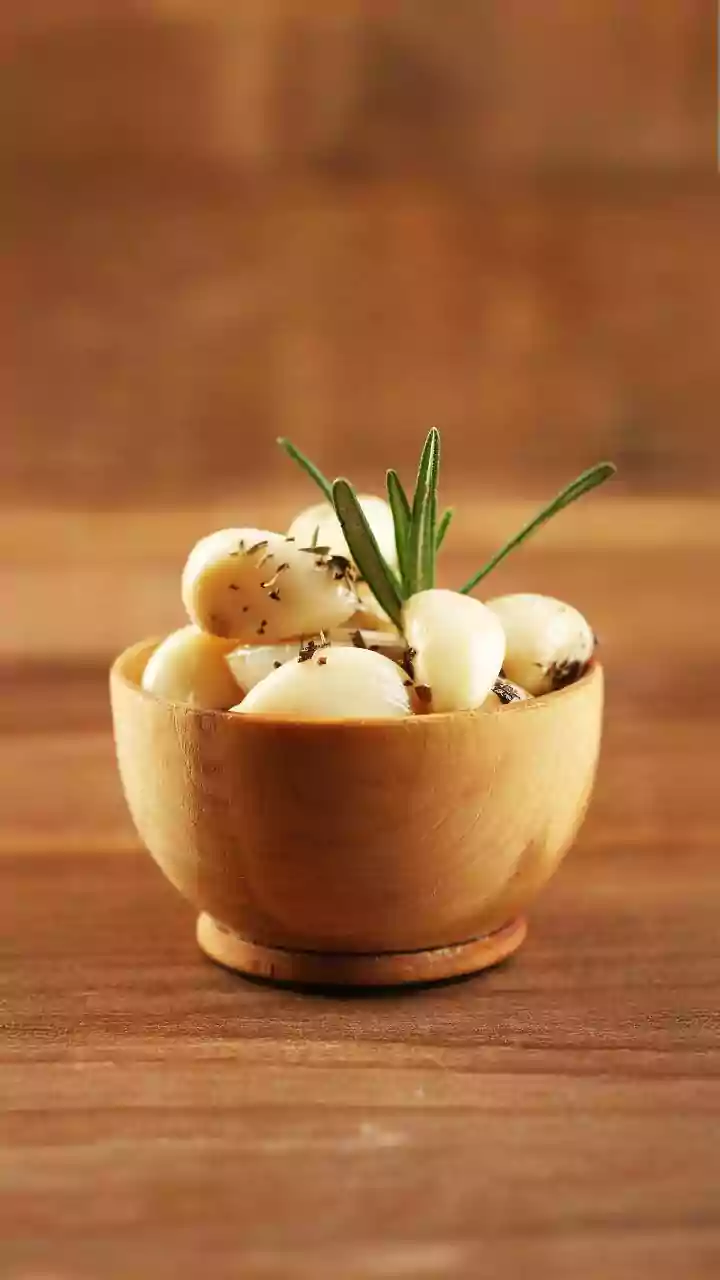
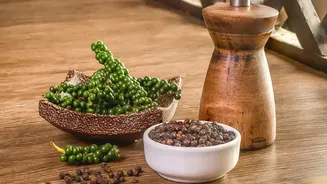
With your basic herb butter prepared, you can start experimenting. For a classic and foolproof combination, toss roasted chestnuts in a butter infused with rosemary, minced garlic, and a pinch of sea salt. For something with a little more zest, try a mix of parsley, lemon zest, and black pepper in your butter. If you enjoy a bit of warmth and spice, a butter with smoked paprika, a pinch of cayenne pepper, and a little onion powder creates a delicious smoky and savoury coating. You can also lean into the chestnut's natural sweetness. A butter mixed with a dash of cinnamon and a very small drizzle of honey or maple syrup can turn this snack into a truly decadent treat. The key is to start with a small amount and taste as you go.
An Economical Indulgence
While street vendors in major cities might charge a premium for a small bag of roasted nuts, buying raw chestnuts from a grocery store and preparing them at home is a far more economical option. Compared to more expensive nuts like macadamias, pistachios, or even almonds, chestnuts are often more affordable, especially when in season during the autumn and winter months. The real savings come from using herbs and spices you already own. A sprig of rosemary from the garden or a teaspoon of dried thyme from your spice rack adds immense flavour for virtually no extra cost. This approach turns a simple, seasonal ingredient into a gourmet snack without the gourmet price tag, proving that a little kitchen creativity is the most valuable ingredient of all.