




Your Gut: A World Within You
Before we talk about food, let's understand what we're feeding. Your gut is home to trillions of microorganisms, including bacteria, fungi, and viruses, collectively known as the gut microbiome. Think of it as a bustling internal ecosystem. A healthy,
balanced microbiome is crucial not just for digestion, but for overall health. It helps your body absorb nutrients, supports your immune system, and can even influence your mood and energy levels. When the balance of good and bad bacteria gets disrupted, it can lead to a host of issues, from bloating and indigestion to more complex health problems.
Fermentation: Nature's Probiotic Factory
This is where fermentation comes in. It's an age-old process where microorganisms like bacteria and yeast break down sugars and starches in food. This natural transformation does two wonderful things: it preserves the food and, more importantly, it creates a rich source of beneficial bacteria known as probiotics. These probiotics are the good guys that help restore balance to your gut microbiome. They make food easier to digest and can increase the availability of certain vitamins and minerals, making nutrients more accessible to your body.
The Daily Dose of Dahi
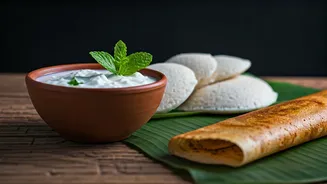
For most Indians, the journey into fermented foods begins with a simple bowl of dahi, or curd. A staple in households across the country, homemade curd is a powerhouse of probiotics like Lactobacillus. Regular consumption can aid digestion, reduce bloating, and help maintain a healthy gut lining. It's perhaps the most accessible and versatile fermented food, easily incorporated into meals as raita, a side dish, or the base for a cooling glass of chaas (buttermilk).
Breakfast Superfoods: Idli and Dosa
South India’s beloved breakfast duo, idli and dosa, are more than just delicious; they are prime examples of gut-friendly foods. The batter, made from a combination of rice and lentils, is fermented overnight. This process not only gives the idlis their fluffy texture and the dosas their signature crispness but also pre-digests the starches and proteins. This makes them incredibly easy on the digestive system. The fermentation boosts the probiotic content and breaks down anti-nutrients, which can block the absorption of minerals like iron and calcium.
Exploring India’s Fermented Treasures
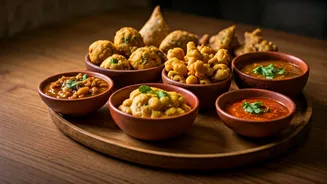
Beyond the common staples, India's diverse culinary landscape is dotted with regional fermented treasures. There's Dhokla from Gujarat, a spongy, steamed snack made from fermented rice and chickpea flour. In the North, you'll find Kanji, a tangy, probiotic-rich drink made by fermenting black carrots or beetroot. Traditional pickles (achaar), when made through natural fermentation with salt rather than vinegar, are also a source of beneficial bacteria. Even leftover rice gets a healthy makeover in some parts of the country, soaked overnight to create a cooling, fermented meal for the next morning.
A Word of Caution
While fermented foods are beneficial for most, they can cause temporary gas and bloating in some people, especially when you first introduce them to your diet. It's best to start with small amounts and see how your body reacts. Individuals with specific conditions like histamine intolerance or compromised immune systems should consult a doctor before significantly increasing their intake of fermented products. Also, be mindful of store-bought versions of pickles or other items that may be high in salt, sugar, and preservatives, which can negate the health benefits.