




Ladakh: The High-Altitude Desert Dream
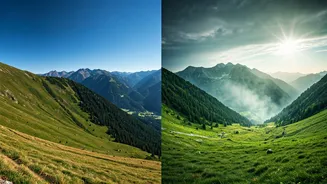
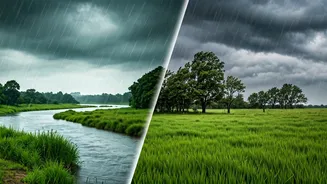
When most of India is under a thick blanket of grey clouds, Ladakh is bathed in glorious sunshine. Tucked away in the trans-Himalayan region, it’s a classic rain-shadow area, meaning the towering Himalayan peaks block the monsoon clouds from ever reaching
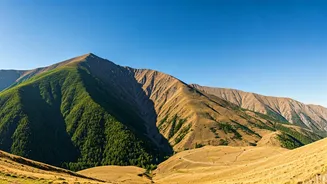
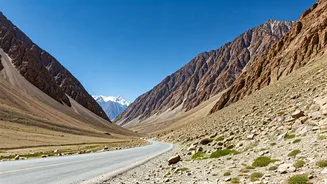
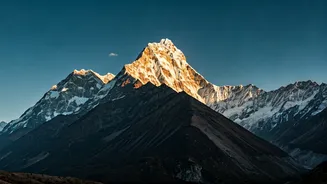
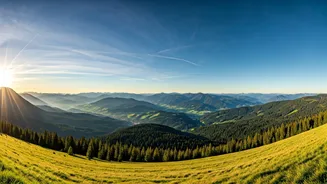
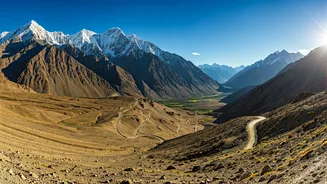
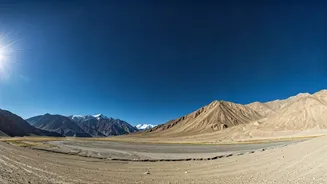
it. July is peak season here for a reason: the weather is perfect, with pleasant daytime temperatures ideal for exploring. All the major routes and high passes like Khardung La are open, granting access to the region's otherworldly landscapes. Picture this: driving along smooth roads with snow-capped peaks on one side and the dramatic, barren moonscape on the other. You can visit the crystal-clear Pangong Lake, its turquoise waters shifting colours under the sun, or explore the sand dunes of Nubra Valley, home to the unique double-humped camels. Ancient, white-washed monasteries cling to cliffs, offering moments of peace and stunning photo opportunities. It’s an adventure that promises surreal views at every turn.
Spiti Valley: A Rugged Himalayan Escape
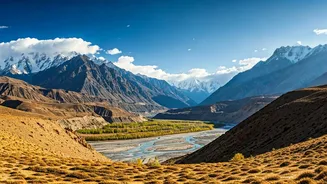
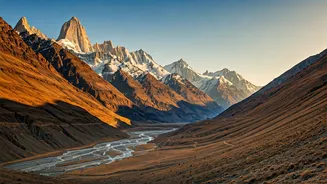
Much like its neighbour Ladakh, Spiti Valley in Himachal Pradesh is a cold desert that remains largely dry during the monsoon months. While the journey to Spiti can be challenging, often involving navigating roads that might be affected by rains in the lower regions of Himachal, the destination itself is a world apart. July offers a small window when the valley is at its most accessible and breathtaking. The landscape is stark and stunning, with mud-brick monasteries like Key and Tabo perched in impossible locations. The Spiti River carves its way through the barren terrain, creating a ribbon of life in the desolate expanse. This is not a luxury destination; it’s a place for those who seek raw, unfiltered nature. You can explore ancient villages like Komik and Langza, which feel like they are frozen in time. The clear skies also make it an incredible destination for stargazing, with the Milky Way often visible to the naked eye.
Tamil Nadu's East Coast: Sun, Temples, and Sea
If mountains aren't your calling, head south to the Coromandel Coast. While the west coast is being drenched by the southwest monsoon, Tamil Nadu remains comparatively dry. The state receives most of its rainfall during the northeast monsoon, which arrives later in the year, between October and December. This makes July a fantastic time to explore its coastal treasures. You can wander through the charming French Quarter of Puducherry, with its colourful colonial villas and chic cafes. A short drive away is Mahabalipuram, a UNESCO World Heritage site, where you can marvel at ancient shore temples and rock-cut sculptures right by the sea. The weather is generally hot and humid but manageable, with the sea breeze offering some respite. It’s a trip that combines history, culture, and beach relaxation without the constant worry of a downpour.
Valley of Flowers: Where Rain Creates Magic
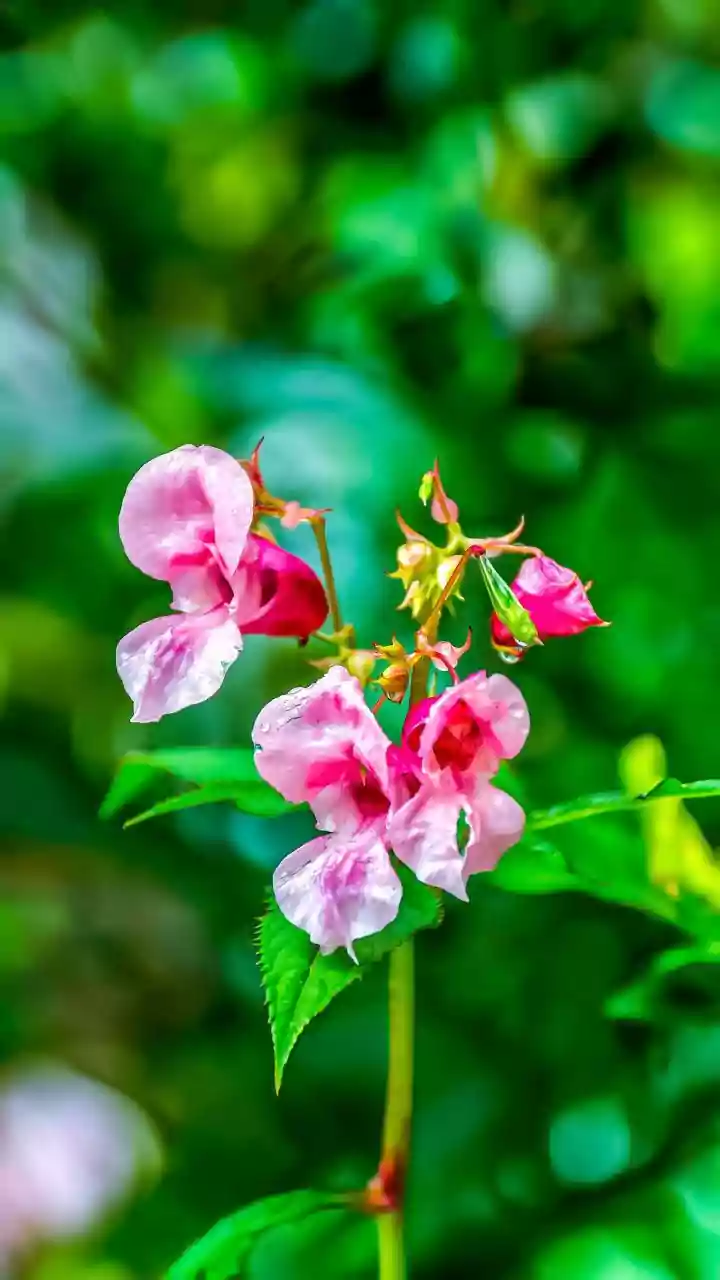
This one is a bit of a paradox. The Valley of Flowers in Uttarakhand does receive rain in July—in fact, the monsoon is what brings it to life. This UNESCO World Heritage site transforms into a vibrant carpet of alpine flowers precisely because of the seasonal showers. So, while you will encounter rain, it's the very thing that creates the spectacular 'view'. The trek to the valley is a journey through mist-laden mountains and lush green meadows. From mid-July to mid-August is considered the absolute best time, as hundreds of species of flowers are in full, glorious bloom. It’s a trekker's paradise, offering a unique monsoon experience where the rain is not a hindrance but the main attraction. Just be sure to pack excellent rain gear and be prepared for slippery trails.
Bali, Indonesia: The International Option
If you're looking to use your passport, July is the perfect time to head to Bali. While India experiences its wet season, much of Indonesia is in its dry season, which runs from April to October. July in Bali means clear blue skies, low humidity, and plenty of sunshine, creating ideal conditions for almost any activity. You can lounge on iconic beaches, take a surfing lesson, or go diving and snorkelling in the crystal-clear waters. It's also a great time for outdoor adventures like hiking up volcanoes for sunrise or exploring the lush rice terraces around Ubud. Since it's peak season, expect more crowds and higher prices, but the perfect weather and vibrant energy make it a worthwhile escape from the monsoon back home.