
The Challenge with Plant-Based Iron
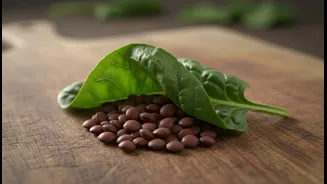
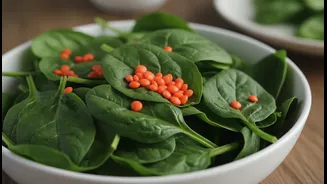
Iron is crucial for energy, focus, and overall health, but not all dietary iron is the same. There are two types: heme iron, found in animal products, and non-heme iron, found in plants. A vegetarian diet is rich in non-heme iron from sources like lentils
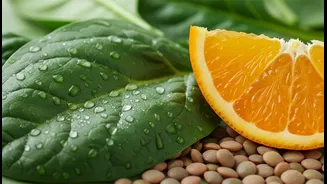
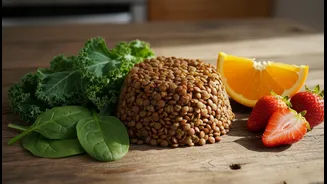
(dal), spinach (palak), chickpeas (chana), and whole grains. However, the body finds non-heme iron harder to absorb, with an absorption rate of only 2-20% compared to 15-35% for heme iron. This means that even if you eat plenty of iron-rich plant foods, your body might not be getting the full benefit. The key lies not just in what you eat, but how you combine your foods.
Your Best Friend: Vitamin C
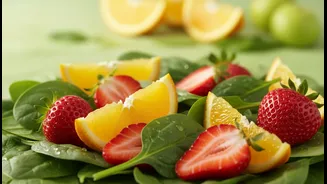
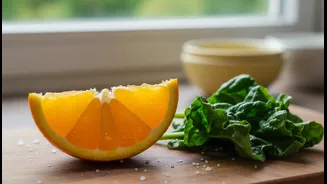
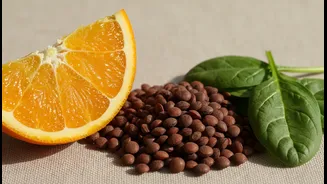
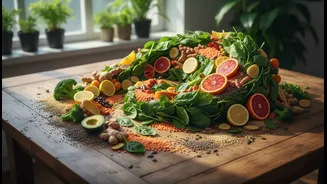
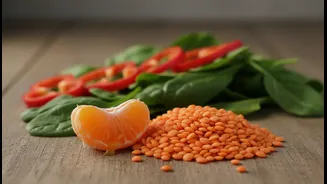
The single most effective way to boost non-heme iron absorption is by pairing it with Vitamin C (ascorbic acid). Vitamin C works by converting plant-based iron into a form that is much easier for your body to absorb. Studies have shown this combination can overcome the effects of most dietary inhibitors. The effect is significant and can be achieved with simple, everyday ingredients. Adding a source of Vitamin C to your iron-rich meals is a simple yet powerful strategy for any vegetarian.
Simple, Powerful Food Pairings
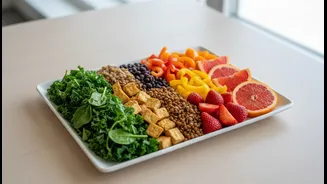
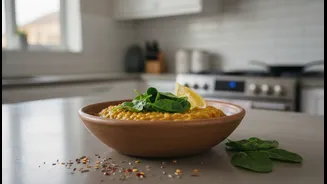
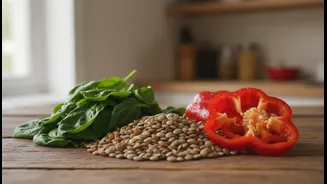
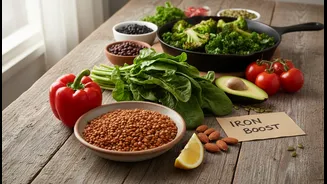
Integrating these principles into your daily Indian meals is surprisingly easy. Think about adding a sour or tangy element to your iron-rich dishes. Dal with Lemon: A simple squeeze of lemon (nimbu) over your bowl of dal or sambar can dramatically increase iron uptake. Palak with Tomatoes: When making palak sabzi, be generous with tomatoes. The Vitamin C in tomatoes helps unlock the iron in the spinach. Chana Masala with Bell Peppers: Add red or green bell peppers (capsicum) to your chickpea curry. Bell peppers are an excellent source of Vitamin C. Roti with Amla Chutney: Whole wheat roti contains iron. Pairing it with a side of amla (Indian gooseberry) chutney, which is packed with Vitamin C, creates a beneficial combination. Bean Salad with a Tangy Dressing: A salad made with rajma or black-eyed peas (lobia) and topped with a lemon-based vinaigrette is another great option.
Watch Out for Iron Blockers
Just as some foods help, others can hinder iron absorption. Being mindful of these inhibitors is crucial. Tea and Coffee with Meals: The tannins and polyphenols in chai, coffee, and even green tea can reduce iron absorption by a large margin if consumed with or within an hour of your meal. It's best to enjoy your tea or coffee between meals. Calcium and Iron Don't Mix Well: Calcium interferes with the absorption of both heme and non-heme iron. This means having paneer with palak (palak paneer) or drinking a glass of milk with an iron-rich meal is not ideal for maximising iron uptake. Try to separate your calcium-rich foods from your main iron-rich meals by an hour or two. Phytates in Grains and Legumes: Phytates, found in whole grains, legumes, and nuts, can bind to iron and reduce its absorption. The traditional Indian practices of soaking, sprouting, or fermenting dals and grains before cooking helps to reduce their phytate content, making the iron more available.
Putting It All Together
Building an iron-smart diet doesn't require a complete overhaul. Start by making one or two small changes. For breakfast, have iron-fortified poha with a squeeze of lemon. For lunch, ensure your dal has a side of tomato and cucumber salad. For dinner, try a vegetable curry with chickpeas and bell peppers instead of paneer. Cooking in cast iron cookware (kadai) can also naturally increase the iron content of your food, especially with acidic dishes like tomato-based curries. By being mindful of these simple pairings and separations, you empower your body to absorb the maximum amount of iron from your vegetarian diet, helping you stay energetic and healthy.