





Planning a getaway or a trip home this December? It’s a wonderful time to travel, but the high airfares can often be a shock. Understanding the mix of factors driving these prices up can help you navigate the booking season more effectively.
A Perfect Storm of Demand
December is
a peak travel month in India for several reasons that go beyond the obvious. It’s not just about Christmas and New Year's Eve holidays. This period also coincides with the end of school terms, making it an ideal time for family vacations. Many people also plan trips to their hometowns, adding to the rush. Destinations like Goa, Rajasthan, and hill stations such as Shimla and Manali see a massive influx of tourists. This convergence of leisure, family, and festive travel creates a huge surge in demand for flights across the country. Airlines, which use dynamic pricing, respond to this predictable spike by increasing fares for popular routes and dates.
The Great Indian Wedding Season
A uniquely Indian factor that significantly drives up December travel demand is the winter wedding season. November and December are packed with auspicious dates for weddings, turning cities like Jaipur, Udaipur, and even metros like Delhi and Mumbai into major wedding hubs. This generates a massive amount of travel, not just for the wedding parties but for hundreds of guests flying in from different parts of the country and even internationally. This demand for travel often concentrates on specific weekends, causing ticket prices on routes to these destinations to soar. This wedding rush overlaps with routine business travel, creating a pre-holiday price peak even before the Christmas vacation period begins.
Rising Airline Operating Costs
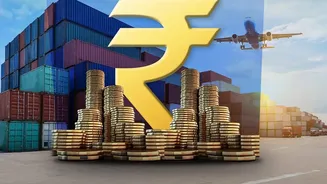
Beyond passenger demand, the operational costs for airlines have been a major factor pushing fares up. One of the most significant expenses is Aviation Turbine Fuel (ATF), which can account for up to 40% of an airline's operating costs. Recent months have seen sharp increases in ATF prices, reaching around ₹137 per litre after a steep hike in October 2026. Airlines often pass a portion of this increased cost directly to consumers through fuel surcharges or higher base fares. Additionally, a weaker rupee against the US dollar also increases costs for airlines, as expenses like aircraft leases and maintenance are often priced in dollars.
Fewer Flights on Certain Routes
In response to rising costs and to maximize profitability, some airlines have made strategic adjustments to their flight schedules. For the last quarter of 2026, data has shown a reduction in the number of scheduled domestic flights compared to the previous year. While the overall number of seats might not have decreased drastically—as airlines may use larger aircraft—fewer flight timings mean less choice for passengers. On high-demand routes, when there are fewer convenient departure options, the available seats on popular flights fill up faster. This scarcity, even if slight, allows airlines' pricing algorithms to push fares for the remaining seats significantly higher, especially for last-minute bookings.
How to Navigate the High Prices
While higher fares in December are largely unavoidable, there are strategies to manage your travel budget. The most effective tool is booking well in advance. Travellers are planning earlier, with booking lead times extending as they aim to secure better prices before the holiday rush. Flexibility with your travel dates can also lead to significant savings; flying mid-week is often cheaper than on a Friday or Sunday. Consider flying at off-peak hours, like early in the morning or late at night. Expanding your search to include nearby airports can sometimes reveal cheaper routes. Finally, for shorter distances, exploring alternative modes of transport like trains or buses could be a more budget-friendly option, as demand for these also surges.