



Why the Monsoon is Prime Time for Gardening
For many urban gardeners, the rainy season feels like a challenge, bringing worries of waterlogged pots and pests. But the monsoon is actually a fantastic opportunity for gardening. The consistent moisture reduces your watering duties, and the high humidity
creates a spa-like environment where many tropical plants flourish. The natural rainfall is also cleaner and more nutrient-rich than tap water, helping to wash away dust from leaves and boosting plant health. With the right selection of plants and a few key adjustments to your care routine, you can harness the season's energy to create a stunning green oasis right outside your window.
Balsam (Gul Mehndi)
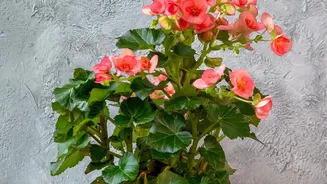
Balsam is a classic monsoon annual for a reason. It is incredibly easy to grow from seed and thrives in the moist conditions of the rainy season, producing a profusion of delicate flowers in shades of pink, purple, red, and white. These plants love moisture but still need good drainage to prevent their stems from rotting. They grow quickly, often flowering from July through September, making them a perfect, low-drama choice for adding instant colour to your balcony pots and window boxes.
Marigold (Genda)
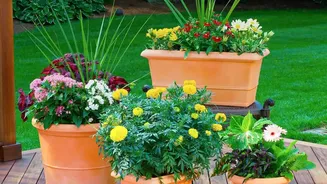
Hardy, cheerful, and wonderfully low-maintenance, marigolds are a fantastic addition to any monsoon balcony. They handle the rain well, provided they are in well-draining soil, and their bright orange and yellow blooms can light up even the greyest of days. As a bonus, marigolds are known to naturally repel common garden pests, helping to protect more delicate plants nearby. Regularly pinching off spent flowers, a practice known as deadheading, will encourage the plant to produce a continuous supply of blooms throughout the season.
Hibiscus (Gudhal)
While hibiscus can bloom for much of the year, the monsoon season often encourages an even more spectacular show of its large, trumpet-shaped flowers. These plants love the high humidity that comes with the rains. They are a perfect choice for adding a lush, tropical feel to your balcony. Hibiscus needs several hours of sunlight to produce abundant flowers, so place it in a spot that gets adequate light. Regular pruning will not only keep the plant in good shape but also stimulate more vigorous flowering.
Jasmine (Mogra)
There are few things more magical than the fragrance of jasmine mixed with the smell of rain-soaked earth. Jasmine, especially varieties like Mogra (Arabian Jasmine), thrives in the humid monsoon weather. These climbing or bushy plants produce intensely fragrant white flowers that are often most aromatic in the evening. Plant them in a pot near a window or seating area to fully enjoy their delightful scent. They prefer well-drained soil and a spot with partial to full sunlight.
Rain Lily (Zephyranthes)
True to their name, rain lilies often burst into bloom almost overnight following a good shower. These bulbous plants produce delicate, star-shaped flowers in shades of white, pink, or yellow. They are exceptionally low-maintenance and are perfect for beginners. You can plant the bulbs just before or during the early monsoon. Their sudden and beautiful appearance after a downpour is a rewarding experience that perfectly captures the spirit of the season.
Essential Monsoon Care Tips
Success with a monsoon garden hinges on a few key principles. First and foremost is ensuring excellent drainage. Make sure every pot has drainage holes and consider placing a layer of gravel at the bottom. Waterlogged soil is the primary cause of root rot. Second, be vigilant about pests and fungal diseases, which are more common in high humidity. Good air circulation between plants helps, as does a preventive spray of neem oil solution. Finally, while the rain is beneficial, extremely heavy downpours can damage delicate plants. If possible, move smaller pots to a more sheltered spot during intense storms.