




Choosing Your Destination Wisely
September is a transitional month, with weather varying greatly across India. While the peak monsoon has passed in many regions, some areas remain wet. It's an excellent time to explore states like Rajasthan, where the rains have subsided, leaving the countryside
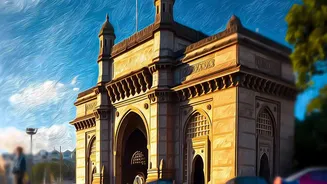
green and the lakes full. Destinations in the Golden Triangle—Delhi, Agra, and Jaipur—are also good options, with quieter attractions before the peak tourist season begins in October. In the south, Tamil Nadu experiences a lull between monsoons. For mountain lovers, Ladakh and Spiti Valley offer clear skies and accessible roads, though it's the end of the season. Conversely, hill stations like Darjeeling might still be quite rainy, and parks like Ranthambore are often closed until October.
Packing for Unpredictable Weather
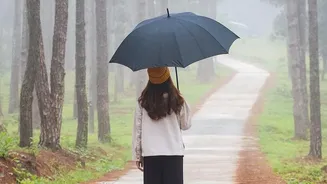
Your packing strategy should centre on managing humidity and rain. Prioritise lightweight, synthetic clothes that dry quickly over cotton. A reliable waterproof jacket and a sturdy umbrella are non-negotiable. For footwear, choose waterproof options with a good grip to navigate slippery surfaces. Protecting your electronics is crucial; use waterproof bags or zip-lock pouches for your phone, camera, and power bank. Given the prevalence of mosquitoes during this season, an effective insect repellent is a must-have, along with a basic first-aid kit containing medication for common ailments like fever or an upset stomach.
Navigating Transport and Delays
Transport is where the post-monsoon season demands the most flexibility. Heavy rainfall can lead to waterlogged roads, causing significant traffic congestion and delays for buses and cars. In hilly regions, the risk of landslides remains, which can disrupt road travel. Train services and flights can also face disruptions due to weather. The best strategy is to build buffer days into your itinerary. Before travelling, always check the latest weather forecasts from a reliable source like the India Meteorological Department (IMD) and monitor local travel advisories. When possible, avoid night travel on roads, especially in mountainous areas. Having flexible or refundable tickets can provide peace of mind if plans need to change suddenly.
Staying Healthy and Safe
Local conditions in September require some extra vigilance. Waterborne diseases can be more common after the rains, so stick to bottled or purified water and be cautious with street food. Opt for freshly cooked hot meals from reputable places. To prevent fungal infections, try to keep your feet as dry as possible. As a solo traveller, it's always wise to be aware of your surroundings, especially at night. Inform someone of your itinerary, and keep offline maps and emergency contacts downloaded on your phone. For female solo travellers, avoiding isolated areas and booking pre-paid taxis through official airport or hotel hubs is a recommended safety practice.
Embrace the Shoulder Season Advantage
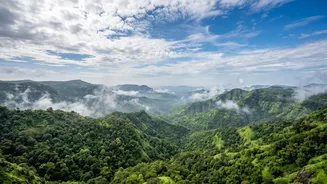
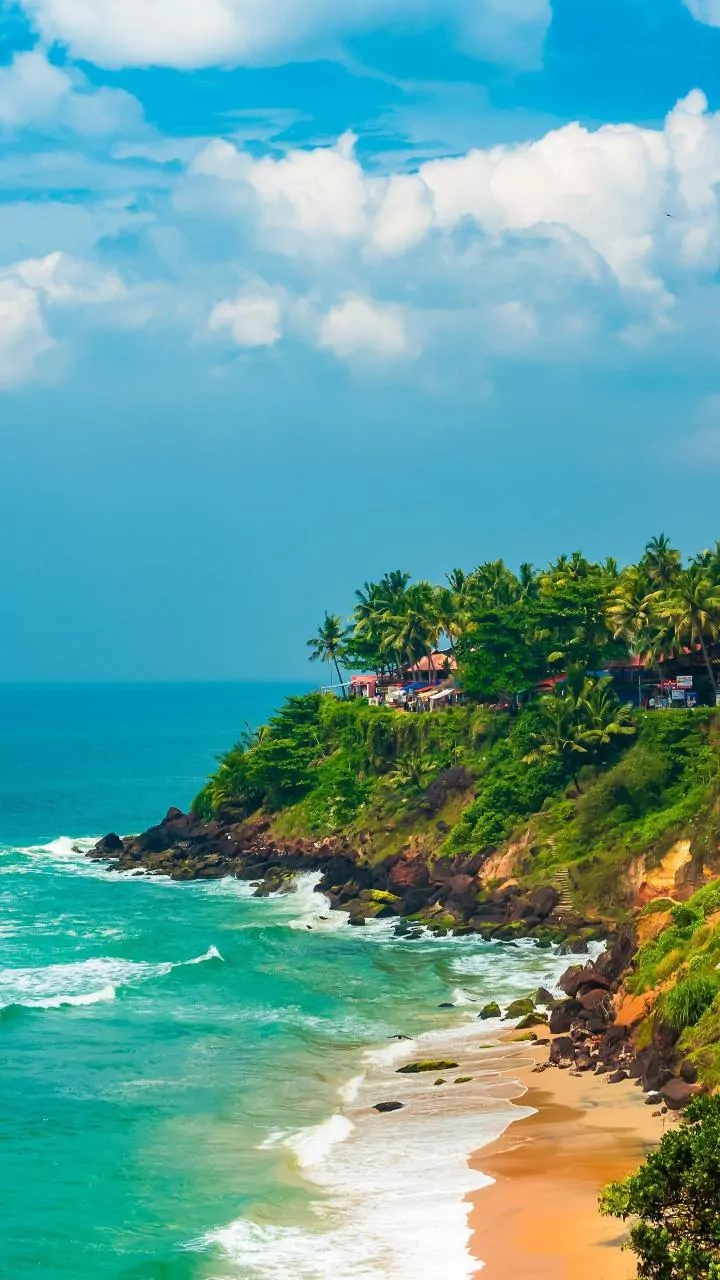
While the challenges are real, the rewards of travelling in September are significant. This “shoulder season” means fewer tourists at popular monuments and heritage sites, allowing for a more intimate experience. Accommodation prices are often lower, giving you access to better stays within your budget. The landscapes, fresh from months of rain, are incredibly vibrant and picturesque, offering stunning photo opportunities from the Aravallis in Rajasthan to the backwaters of Kerala as they emerge from heavy rains. By planning for the variables, you can fully enjoy the unique beauty and relative quiet that make September one of the most rewarding months for a solo journey across India.