


1. Earthen Walls with Limewash
Forget flat, boring paint. Limewash and other mineral-based paints offer a soft, chalky matte finish with subtle variations in tone that catch the light beautifully. This centuries-old technique gives walls a sense of history and depth that regular paint cannot
replicate. Because it’s breathable, it’s well-suited to Indian climates. Instead of making a room feel closed in, the gentle, cloud-like movement on the walls creates an airy, sophisticated feel. For a modern Indian home, consider a neutral, earthy tone like terracotta, beige, or a soft grey. This finish serves as a perfect backdrop for handcrafted decor and wooden furniture, adding warmth without overwhelming the space.
2. Natural Fibres like Jute and Rattan
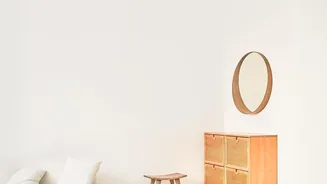
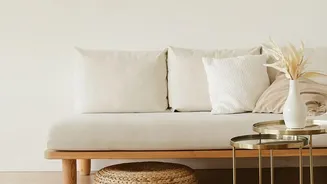
Bringing natural materials indoors is a cornerstone of contemporary Indian design, and for good reason. Rattan, cane, and jute introduce organic texture and warmth, connecting your urban home to the outdoors. These materials work particularly well in compact flats because they are visually lightweight. A large jute rug can anchor a living area and make it feel wider, while a rattan-panelled cabinet or TV console adds texture without the visual heaviness of solid wood. Due to their breathability, cane and rattan furniture are also exceptionally comfortable in warmer climates. Incorporate these elements through lighting fixtures, planters, chairs, or even as webbing on headboards and doors for a subtle, earthy touch.
3. Soft and Tactile Textiles
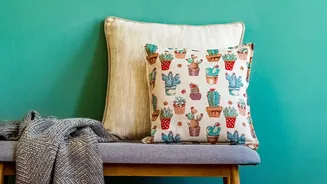
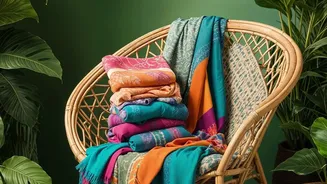
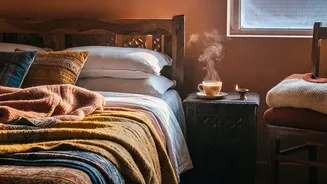
One of the easiest ways to layer texture is through textiles. In a small living room, a single piece of furniture upholstered in a rich, tactile fabric can make a significant impact. Consider bouclé, a looped, nubby fabric that feels incredibly soft and inviting. A curved bouclé accent chair or a set of plush velvet cushions can add a touch of luxury and comfort, making a small corner feel like a cosy retreat. These soft materials absorb sound, which can help make a small, echoey flat feel more intimate. For a distinctly Indian feel, pair these modern textures with traditional handwoven throws, like a vibrant Suzani or a block-printed cotton quilt, to create a rich, layered look.
4. Fluted and Reeded Surfaces
Fluted or reeded textures, characterized by vertical grooves, are a powerful tool for small spaces. This design element, whether on glass, wood panels, or furniture, draws the eye upward, creating an illusion of height and making the room feel taller. Fluted glass is especially effective for partitions, such as between a living area and a small home office. It provides a degree of privacy and separation without blocking precious light, keeping the space feeling open and airy. You can also find this texture on furniture like sideboards and cabinet doors, where it adds a sophisticated, rhythmic pattern that introduces depth without adding clutter.
5. Handcrafted Ceramics and Decor
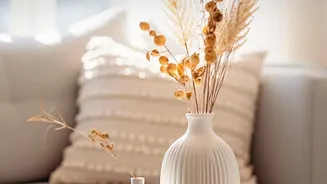
Finally, add personality and a human touch with handcrafted decorative items. In a minimalist or neutral-toned space, the imperfect texture of handmade pottery or sculptural art can become a stunning focal point. These pieces celebrate craftsmanship and individuality. Group a small collection of ceramic vases with a matte, grainy finish on a shelf, or hang a single piece of large-scale textured wall art to serve as an anchor for the room. Unlike mass-produced items, these objects have a story and an organic quality that prevents a small, modern flat from feeling sterile. Their unique surfaces interact with light and shadow, adding a final layer of visual interest that completes the space.