



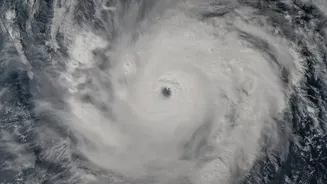
An Eye in the Sky
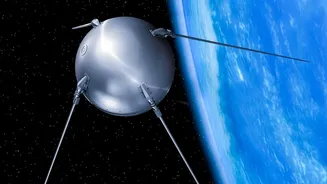
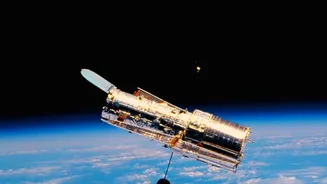
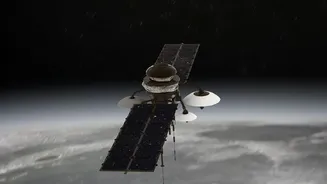
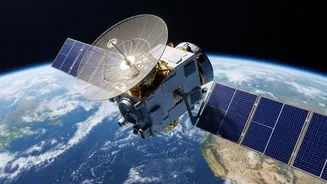
Earth Observation (EO) is essentially the art and science of gathering information about our planet from a distance, primarily using satellites. For a phenomenon as vast and dynamic as the Indian monsoon, this technology is a game-changer. Before satellites,
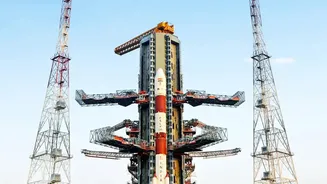
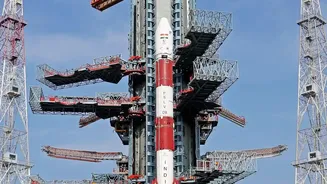
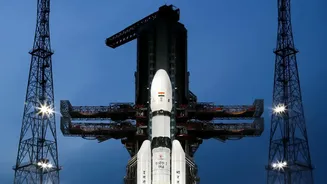
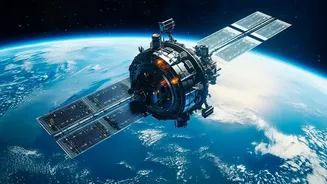
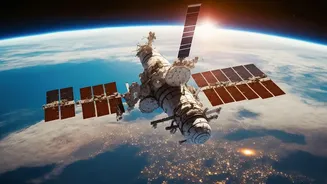
scientists relied on ground-based weather stations, which provided a limited, patchy view. Now, a fleet of advanced satellites, including India's own INSAT and Oceansat series, provides a continuous, bird's-eye view of the entire subcontinent and surrounding oceans. These satellites are equipped with sophisticated sensors that capture data across different wavelengths of light, including those invisible to the human eye. This allows them to measure critical variables like cloud cover, sea surface temperature, atmospheric water vapour, wind speed, and even soil moisture.
Decoding the Data Deluge
Having satellites is one thing; making sense of the enormous volume of data they produce is another. This is where organisations like the India Meteorological Department (IMD) and the Indian Space Research Organisation (ISRO) come in. They process the raw satellite data to generate usable products and forecasts. For instance, images from ISRO's INSAT-3DS satellite can show the real-time formation and movement of monsoon cloud bands across the country. By analysing variables like Outgoing Longwave Radiation (OLR) and sea surface temperatures, forecasters can better predict the onset and intensity of the monsoon. In fact, over 90% of the data fed into India's advanced numerical weather prediction models is now satellite-based, dramatically improving the accuracy of both short-term forecasts and long-range seasonal outlooks.
Predicting Floods and Mitigating Droughts
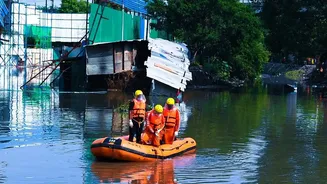
One of the most critical applications of EO technology is in disaster management. Traditional optical satellites struggle to see through the heavy cloud cover typical of monsoons. This is where Synthetic Aperture Radar (SAR) satellites, which can penetrate clouds and operate day or night, become invaluable. By comparing SAR images taken before and during a heavy rainfall event, scientists can rapidly and accurately map the extent of flood inundation over large areas. This information is vital for emergency responders to direct rescue and relief efforts effectively. Conversely, the same technologies help monitor the precursors to drought. Satellites can track soil moisture levels and vegetation health, providing early warnings to authorities and farmers about developing dry spells, allowing for better water resource management.
A Boon for Agriculture
With the Indian economy so closely tied to agriculture, the monsoon's performance is paramount. Earth observation is revolutionising how farming is managed in this context. Satellite data helps create detailed maps of crop types and monitor their health throughout the growing season. By analysing vegetation indices, farmers and policymakers can detect early signs of crop stress due to too much or too little water, nutrient deficiencies, or pest attacks. This enables 'precision agriculture', where resources like water and fertiliser are applied only where and when they are needed, improving efficiency, reducing costs, and minimising environmental impact. This data-driven approach helps to stabilise crop yields and enhance food security in the face of an increasingly unpredictable climate.
The Future of Monsoon Monitoring
The technology is constantly evolving. Future satellite missions are being designed with even more advanced sensors to measure parameters like rainfall and soil moisture with greater precision. The integration of Artificial Intelligence (AI) and machine learning is also set to play a bigger role. AI algorithms can analyse vast historical and real-time satellite datasets to identify complex patterns that might signal an impending extreme weather event, such as a cloudburst leading to a flash flood. This fusion of advanced satellite technology and intelligent data analysis promises not just to deepen our scientific understanding of the monsoon, but to build a more resilient India, better prepared for its whims.