




Your New Digital Sous-Chef
Across India, home cooks are turning to artificial intelligence platforms like ChatGPT and Google's Gemini for culinary inspiration. Unlike a standard Google search that points you to existing recipes, these AI tools act as conversational partners. Users
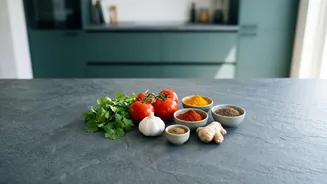
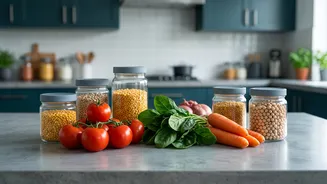
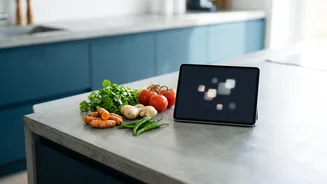
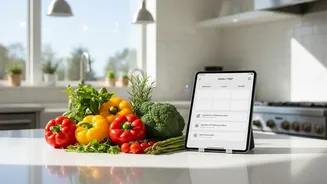
can provide a list of ingredients they have on hand, specify dietary needs, or request a dish from a particular cuisine, and the AI generates a brand-new recipe from scratch. The process is interactive; you can ask for substitutions, request a healthier version, or even ask the AI to combine two different culinary styles. This technology is moving beyond simple text prompts, with some tools able to identify ingredients from a photo and suggest a recipe.
From Fusion Fun to Festival Feasts
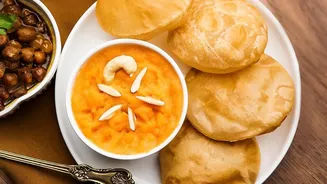
So, what are Indian users cooking up with their AI assistants? The requests range from the practical to the wildly creative. A common use is solving the age-old problem of leftovers, with prompts like, “What can I make with leftover rice, two eggs, and some onions?” But the real fun lies in fusion. AI has been prompted to generate recipes for everything from Paneer Tikka Tacos and Masala Wonton Dumplings to Gulab Jamun Cheesecake and Butter Chicken Pizza. During festival seasons, the trend accelerates. Recent search data shows home cooks are not only searching for classic recipes like Ukadiche Modak but are also using AI to create modern variations like Chocolate Modak or Paan Modak, and even getting tips on technique, such as how to shape the dumplings without a mould.
A Dash of Creativity, A Pinch of Caution
The primary appeal of AI in the kitchen is its ability to spark creativity and offer personalised solutions for busy households. It can help users break out of a cooking rut, introduce them to new flavour combinations, and make cooking feel more like a fun experiment. However, culinary experts and experienced cooks advise a healthy dose of caution. AI models are trained on vast datasets, but they can sometimes generate inaccurate information or suggest combinations that don't quite work, especially with the nuances of complex regional Indian cuisines. An experienced cook might use AI for brainstorming and then rely on their own intuition to adjust the recipe, but a beginner could be led astray by an untested, AI-generated dish. The technology is a powerful tool for ideas, not a replacement for culinary knowledge.
More Than Just Recipes
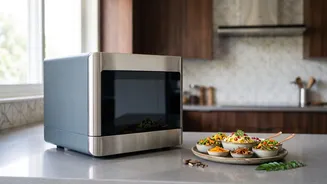
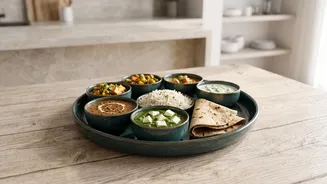
The integration of AI into Indian kitchens is not just limited to recipe prompts. It's part of a broader shift towards smarter, more efficient cooking. AI-powered smart appliances are emerging that can automate complex tasks, from chopping vegetables to monitoring temperatures for intricate dishes like biryani. One Bengaluru-based startup has developed an appliance that can take a recipe from a YouTube link, understand the steps, and execute them precisely. Other researchers are working on AI systems that can visually identify all the different dishes in a complex Indian thali to provide accurate nutritional information, a task that has been difficult for previous technologies. This push reflects a growing desire in urban India for convenience that doesn't compromise on the quality and tradition of home-cooked food.