




The New Epicentre of Beauty Growth
For decades, the Indian beauty narrative was written in the metros. But the script has flipped. Recent data shows that the most exciting growth story in the nation's beauty and personal care (BPC) market, currently valued at over $27 billion, is unfolding
in non-metro cities. [11, 13] E-commerce platforms are reporting a massive surge in demand from these regions. Flipkart, for instance, noted that two in three of its beauty searches now originate from non-metro areas like Cuttack, Gorakhpur, and Jamnagar. [4, 9] This isn't just about volume; it's a fundamental shift in the consumer landscape. During its 2022 sale, Nykaa saw 57% of its orders come from Tier-II and Tier-III cities. [2] This growing cohort of shoppers is not just buying more, they are becoming the trendsetters.
The Digital Awakening
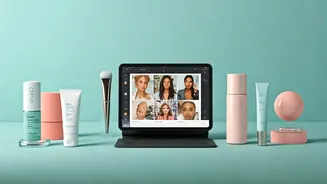
What’s behind this dramatic shift? The answer lies in the palm of their hands. The combination of affordable smartphones and cheap data plans has democratised access to information and trends that were once the exclusive domain of urban elites. [7] Social media platforms like Instagram and YouTube are the new beauty counters, where regional influencers and creators hold significant sway. [17, 21] These creators, often speaking in local languages and dialects, offer relatable and authentic endorsements that resonate deeply with their audiences. [22] This digital exposure has created a highly informed and aspirational consumer who is just as aware of global trends, like nude lipsticks or complex skincare routines, as their metro counterparts. [2]
D2C Brands: The Agile Challengers
Direct-to-Consumer (D2C) brands have been the quickest to recognize and cater to this emerging market. [18] While legacy giants were focused on traditional retail networks, brands like SUGAR Cosmetics and Mamaearth leveraged digital marketing and e-commerce to reach shoppers in smaller towns directly. [15] For many of these brands, Tier-II and Tier-III cities are not an afterthought but their primary source of revenue, accounting for over 60% of sales in some cases. [2, 15] They have succeeded by offering a combination of trendy, high-quality products at affordable price points and by using an omnichannel strategy that blends online discovery with offline experiences, setting up standalone stores in towns that may have never had one before. [15, 18]
The Evolving Shopping Cart
The Tier-II consumer is price-conscious but unwilling to compromise on quality. [2] They are moving beyond basic care to embrace more complex routines, a trend known as "stepification". [3] This includes adding products like serums, toners, and masks to their daily regimen. [3] The demand for premium products is also on the rise, with Flipkart reporting a 60% year-on-year growth in this segment, driven by non-metro shoppers. [4, 9] Men's grooming has exploded, becoming the standout growth category with a 65% increase, as searches for "Sunscreen for Men" and "Facewash for Men" have skyrocketed. [9, 23] Furthermore, there's a strong preference for products with transparent, ingredient-led formulations, often referred to as 'clean' or 'natural' beauty. [7, 24]
A Market in Transformation
The rise of the Tier-II shopper signifies more than just a new market; it represents a permanent realignment of India's consumer economy. [6] Legacy brands and international players are now actively courting this audience, expanding into smaller cities and adapting their strategies to compete. [2, 18] The trend of 'premiumisation' is happening at every level, with consumers willing to spend more on products that deliver clear value and results. [5, 8] This new landscape is forcing all brands, big and small, to be more authentic, agile, and digitally savvy. They are learning that to win in modern India, you can no longer just talk to the metros; you have to speak the language of the entire nation.