


The Universal Problem with ‘Medium’
When a recipe calls for “medium heat,” it’s not providing a universal standard; it’s offering a subjective guideline. The core of the problem is that there is no industry-wide standardization for what low, medium, or high heat actually means on a stovetop.
The “medium” setting on your electric coil stove might be another person’s “low” on their high-powered gas range. Even on the same stove, the output of different burners can vary dramatically. This creates a significant variable in cooking, where the single most important factor—heat—is left almost entirely to interpretation. The result? Food that burns on the outside while staying raw inside, or dishes that take far longer to cook than the recipe suggests. This ambiguity is a frequent source of anxiety for novice cooks and a quiet frustration for experienced ones.
More Than Just the Dial
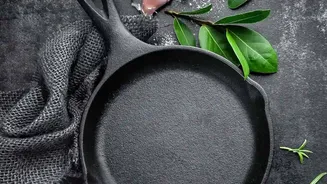
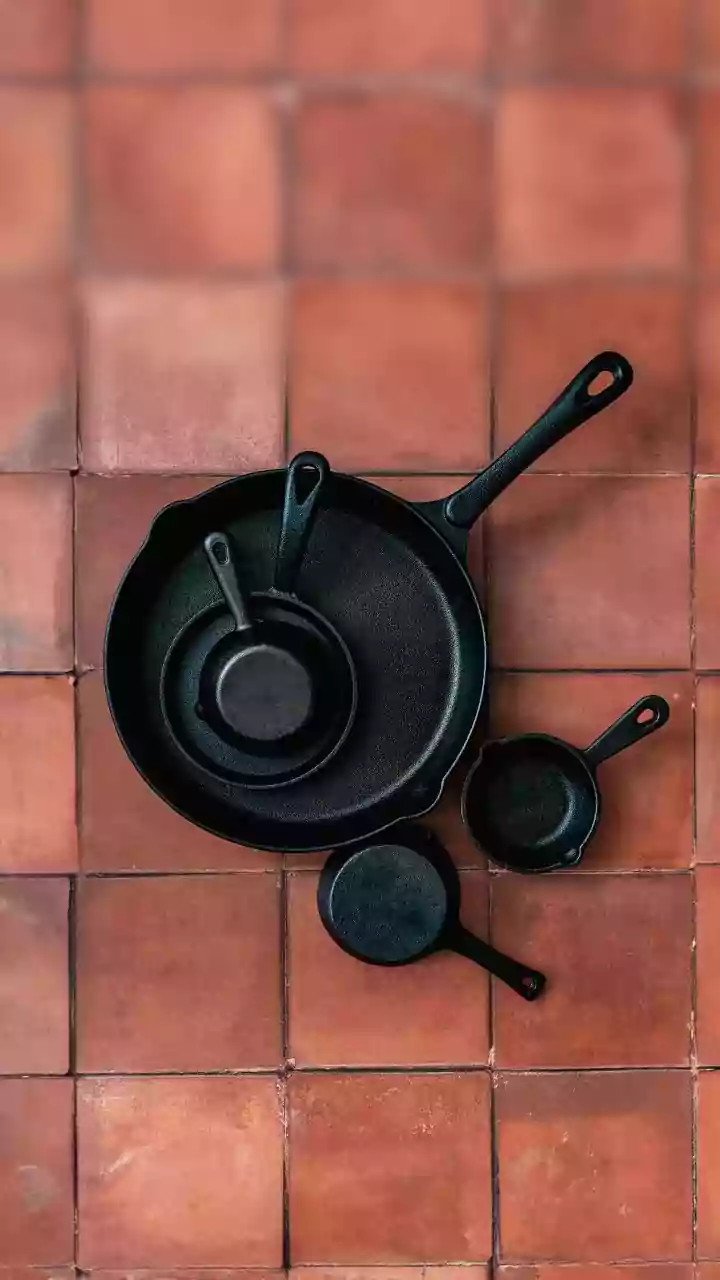
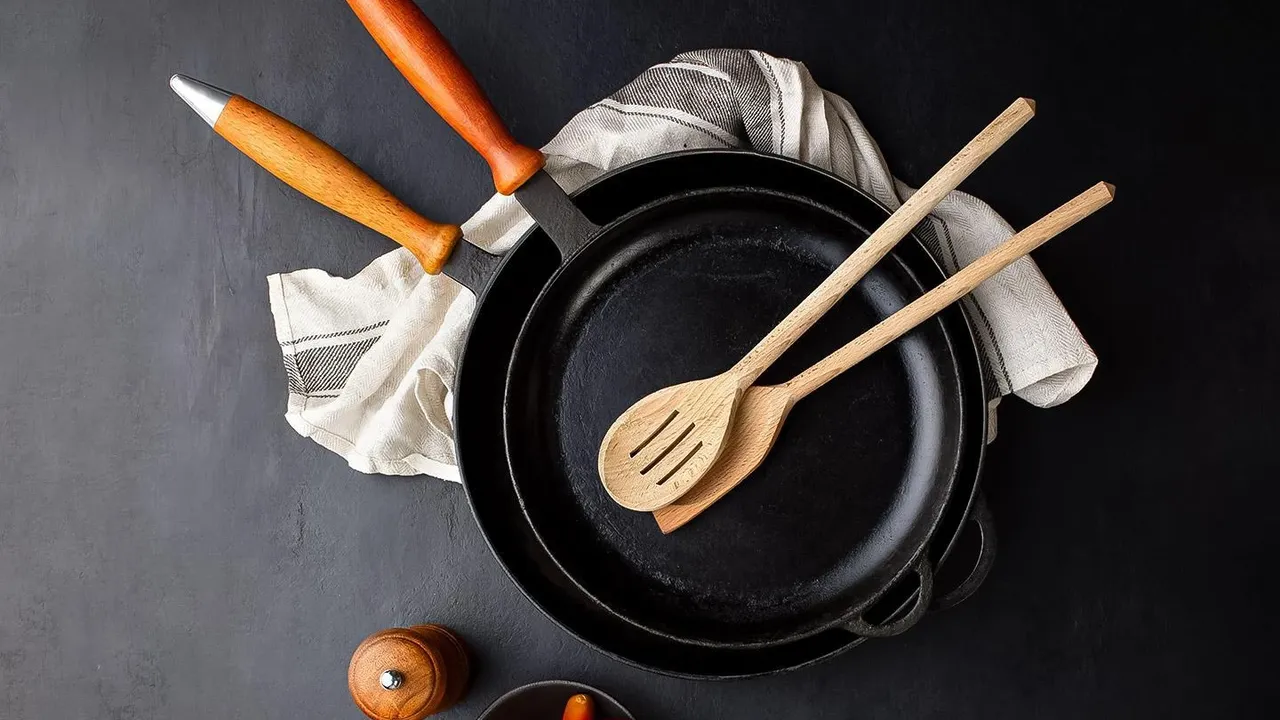
The issue extends beyond the stove itself. The type of cookware you use plays a massive role in how heat is transferred and retained. A thick, heavy cast-iron skillet takes a long time to heat up but holds its temperature steadily. In contrast, a thin stainless steel or non-stick pan will heat up and cool down much more quickly. The size of the pan also matters; placing a small pan on a large burner can waste energy and create intense hot spots. Each of these factors—stove type, burner output, and cookware material—creates a unique cooking environment. Therefore, a recipe writer’s “medium heat” is based on their specific setup, which is unlikely to perfectly match your own.
Toward a Language of Temperature
In baking, we rely on precise oven temperatures—350°F or 180°C is a clear, actionable instruction. A similar approach for stovetop cooking could eliminate much of the guesswork. Using specific temperature ranges would provide a more scientific and reliable standard. For example, recipes could specify a pan surface temperature for certain tasks. A low heat for gentle simmering might be 185-205°F, while a standard medium heat for sautéing could be defined as 300-400°F. A high heat for searing meats would be in the 400-450°F range. While not every home cook owns an infrared thermometer to measure pan surface temperature, making these tools more common—and encouraging their use in recipes—could represent a major step forward, just as digital scales have for baking.
Learning to Read the Pan
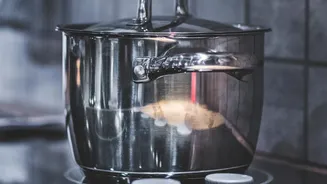
Until recipes evolve, the best solution is to learn to read sensory cues. Experienced cooks often do this intuitively, relying on sight, sound, and smell instead of the dial. A great test for a hot pan is the water droplet method. On a properly preheated stainless-steel pan, a drop of water won't just sizzle and evaporate; it will bead up and glide across the surface like a tiny hovercraft. This is known as the Leidenfrost effect and indicates the pan is hot enough for searing without sticking. Another key visual is the shimmer of oil; when oil is added to a hot pan, it will become thinner and ripple slightly just before it’s ready for sautéing. The sound of the sizzle also tells a story: a gentle, quiet sizzle is right for delicate foods, while an aggressive crackle is what you want for a hard sear.
A Call for Better Recipes
Ultimately, the responsibility for clarity should fall on those writing the recipes. While standardized temperatures would be ideal, a more immediate improvement would be to include more descriptive, sensory instructions. Instead of just “cook over medium heat,” a better recipe might say, “Heat the pan over medium until a drop of water sizzles away instantly,” or “Cook the onions, stirring occasionally, until they are soft and translucent, about 5-7 minutes.” Phrases like “until the butter foam subsides” or “until the oil shimmers” give the cook tangible checkpoints to look for. These cues are universal, regardless of the stove or pan being used. They empower the cook to react to what’s happening in the pan, rather than blindly following a vague command and an arbitrary timer.