



Contact lenses offer incredible freedom, but this convenience comes with responsibility. A simple splash of water in the shower or a dip in the pool can expose your eyes to serious risks, including sight-threatening infections.
The Hidden Dangers in Water
It’s a common misconception
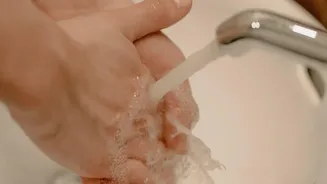
that tap water is sterile and therefore safe for contact lenses. However, all water—including tap, bottled, lake, ocean, and even shower water—contains microorganisms. One of the most dangerous is an amoeba called Acanthamoeba. When a contact lens is exposed to water, it can absorb and trap these microbes directly against the surface of your eye. The lens acts like a petri dish, creating an ideal environment for these harmful organisms to multiply and cause infection. Water can also cause soft lenses to swell, change shape, and stick to the cornea, which can lead to discomfort and tiny scratches that make it even easier for germs to invade.
Acanthamoeba Keratitis: A Risk You Can’t Ignore
Acanthamoeba keratitis is a rare but extremely painful infection of the cornea caused by the Acanthamoeba organism. It is notoriously difficult to treat and is most common in people who wear contact lenses. Symptoms can be mistaken for a more common eye infection and include severe eye pain, redness, blurred vision, sensitivity to light, and the constant feeling that something is in your eye. Because the amoeba is so resilient, treatment can sometimes last for a year or more. In severe cases, Acanthamoeba keratitis can lead to permanent vision loss or even require a corneal transplant to save a person's sight. This highlights why preventing water exposure is not just a suggestion, but a critical rule for lens wearers.
Showering, Bathing, and Hot Tubs
The rule is simple and firm: never shower, bathe, or use a hot tub while wearing contact lenses. Even a quick shower can expose your lenses to water from the showerhead, trapping bacteria against your eye. Hot tubs are particularly risky because the warm water can encourage the growth of microorganisms. If you accidentally wear your lenses in the shower, the best practice is to remove them as soon as possible with clean, dry hands. If you wear daily disposables, throw them away immediately. If you wear reusable lenses, you must thoroughly clean and disinfect them overnight in fresh solution before wearing them again.
Swimming Pools, Lakes, and Oceans
Swimming with contact lenses is strongly advised against, regardless of the body of water. While pool water contains chlorine to reduce germs, it does not sterilize the water completely and can cause lenses to absorb the chemicals, leading to irritation. Natural bodies of water like lakes and oceans are untreated and teeming with bacteria, parasites, and other contaminants. The safest options for clear vision while swimming are prescription swimming goggles or removing your contacts and wearing regular glasses before and after you get in the water. If you must wear lenses for water sports, wearing tight-fitting goggles over them can offer some protection, but the lenses should still be removed and disinfected or discarded immediately after.
The 'Rub and Rinse' Rule
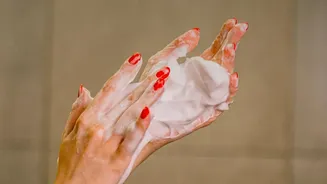
Proper daily hygiene is your best defence against infection. Always wash your hands thoroughly with soap and water and dry them with a lintfree towel before handling your lenses. When you remove your reusable lenses, place one in your palm with a few drops of disinfecting solution. Gently rub the lens with your finger to remove deposits and debris before rinsing it thoroughly with more solution—never tap water. This 'rub and rinse' method is superior for cleaning, even with 'no_rub' solutions. Finally, place the lenses in a clean case filled with fresh solution and never 'top off' old solution.
Don't Forget Your Lens Case
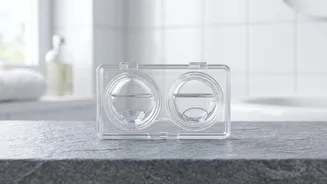
A dirty lens case can contaminate your clean lenses. After putting your lenses in, empty the case, rinse it with fresh contact lens solution (never water), and wipe it with a clean tissue. Store the case upside down with the caps off to let it air dry. It's crucial to replace your contact lens case at least every three months, as bacteria can build up over time. Many solution packages come with a new case, serving as a helpful reminder.