




How to Make Air From a Rock
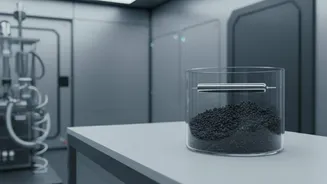
The surface of the Moon is covered in a fine, gritty material called regolith. While it may look like simple dust and rock, it is incredibly rich in oxygen, which is chemically bound with elements like silicon and iron to form oxides. The challenge has
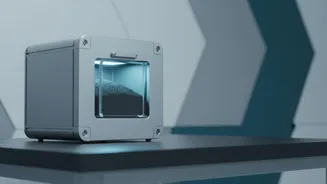
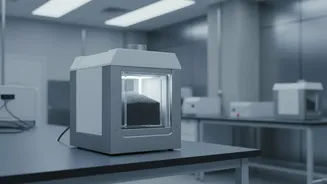
always been how to break those strong chemical bonds to release the oxygen. NASA's Carbothermal Reduction Demonstration (CaRD) project has provided the answer. The process, known as carbothermal reduction, involves heating the lunar soil to extreme temperatures—over 1,650 degrees Celsius—in a specialised reactor. This intense heat, which can be generated on the Moon using concentrated sunlight, melts the regolith. Once molten, an electric current is passed through it, a process called electrolysis, which separates the oxygen from the metals. Recent tests, conducted in a vacuum chamber to simulate the lunar environment, have successfully produced pure, molecular oxygen. This technology effectively turns moon rock into breathable air and useful metals, a concept known as in-situ resource utilization (ISRU), or living off the land.
The Problem with Packing Your Own Oxygen
For any long-term mission beyond Earth, the biggest obstacle is logistics. Every single kilogram of supplies, from food to fuel, must be launched from our planet—an incredibly expensive and complex undertaking. Oxygen is especially problematic. It's essential not only for life support but also as a primary component of rocket propellant. To establish a sustainable lunar base, you would need to ship enormous quantities of it, creating a constant and costly supply chain from Earth to the Moon. The ability to generate oxygen on-site changes the entire economic and strategic equation. According to NASA, producing resources locally has the potential to significantly reduce mission costs, mass, and risk. By harvesting oxygen from the regolith, a future lunar base could become largely self-sufficient for breathable air and could even produce its own rocket fuel for return trips to Earth or for launching missions deeper into the solar system, such as to Mars. This reduces the dependency on Earth-based supplies and transforms the Moon from a temporary outpost into a true operational base.
Powering the Artemis Generation
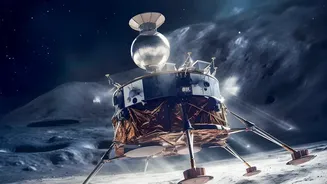
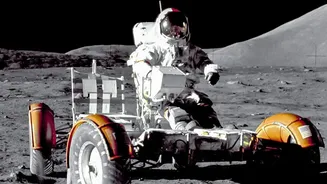
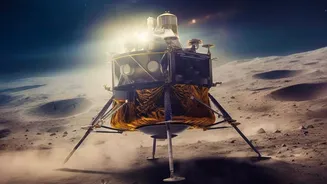
This technological leap is not happening in a vacuum. It is a critical component of NASA's Artemis program, which aims to establish a long-term, sustainable human presence on the Moon. The plan for the Artemis Moon Base, located near the resource-rich South Pole, is a phased approach that starts with robotic missions and gradually builds the necessary infrastructure for permanent habitation. The ability to use ISRU is central to this entire vision. Robotic missions are already planned to scout for resources and test technologies like the CaRD system on the lunar surface. These early missions will lay the groundwork, with more than 20 robotic landings planned through 2029 to test everything from power systems to mobility. The goal is to have foundational capabilities in place before astronauts begin longer stays, eventually assembling a permanent lunar outpost in the 2030s where they can live and work for extended periods. The oxygen extraction technology is a key enabler for these ambitions, providing the resources needed for life support and transportation that will make the Artemis vision a reality.
From Lab to Lunar Landscape
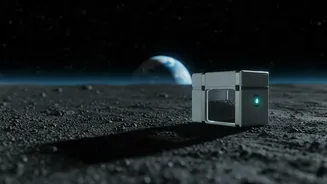
While the successful tests are a major milestone, the next step is to prove the technology can work in the harsh environment of the Moon. A prototype reactor and solar concentrator system have been designed to be flight-like, capable of withstanding the rigors of launch and operating on the lunar surface. This hardware, developed through a partnership between several NASA centres and private industry partner Sierra Space, needs to be deployed and tested with real lunar regolith. Challenges remain, including scaling up the technology to produce the tens of tonnes of oxygen needed annually for a reusable lander architecture and ensuring the systems can survive the extreme temperature swings and abrasive dust of the lunar South Pole. Future robotic missions under the Commercial Lunar Payload Services (CLPS) program will be essential for deploying and validating these systems, collecting crucial data on their efficiency and reliability before they are integrated into the full-scale Moon Base infrastructure.