




From Niche to Necessity
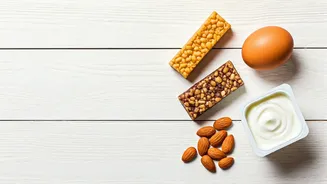
What was once discussed only in fitness circles is now a common conversation in offices and at family dinner tables. The evidence is everywhere: supermarket aisles feature everything from protein-fortified atta and dosa batter to Greek yoghurt and high-protein
snack bars. Quick commerce platform Swiggy Instamart reported a 150% surge in protein-related orders over the last two years, with demand from smaller cities growing even faster than in major metros. This isn't just a fleeting trend; it’s a significant market shift. India's protein supplements market alone reached over $912 million in 2025 and is projected to grow substantially. This boom reflects a deeper change in how Indians think about food, moving from a focus on calorie sufficiency to one of nutrient awareness.
The Forces Fuelling the Change
Several factors are driving this protein push. A growing fitness culture, amplified by social media influencers and nutritionists, has made 'macros' a household term. Increased health consciousness, particularly post-pandemic, has consumers looking for foods that boost immunity, strength, and overall wellness. There's also a growing awareness of a long-standing issue: the 'Indian Protein Paradox'. Despite national averages suggesting adequate intake, studies indicate that a large portion of the population remains protein deficient, with some figures suggesting as high as 70-80% of Indians do not meet daily requirements. A key reason is the traditional reliance on cereals like rice and wheat for protein, which are of lower quality and digestibility compared to other sources.
Reimagining the Indian Plate
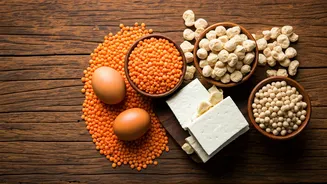
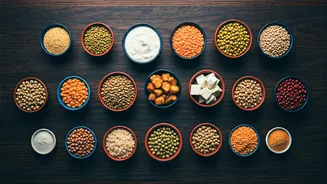
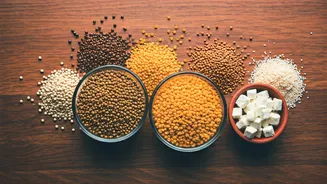
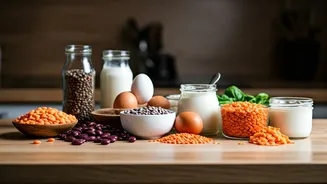
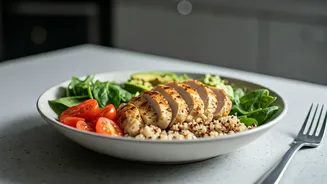
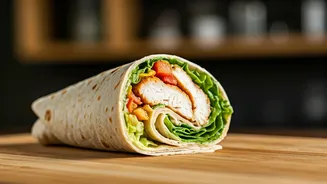
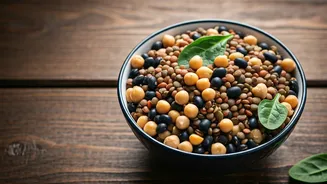
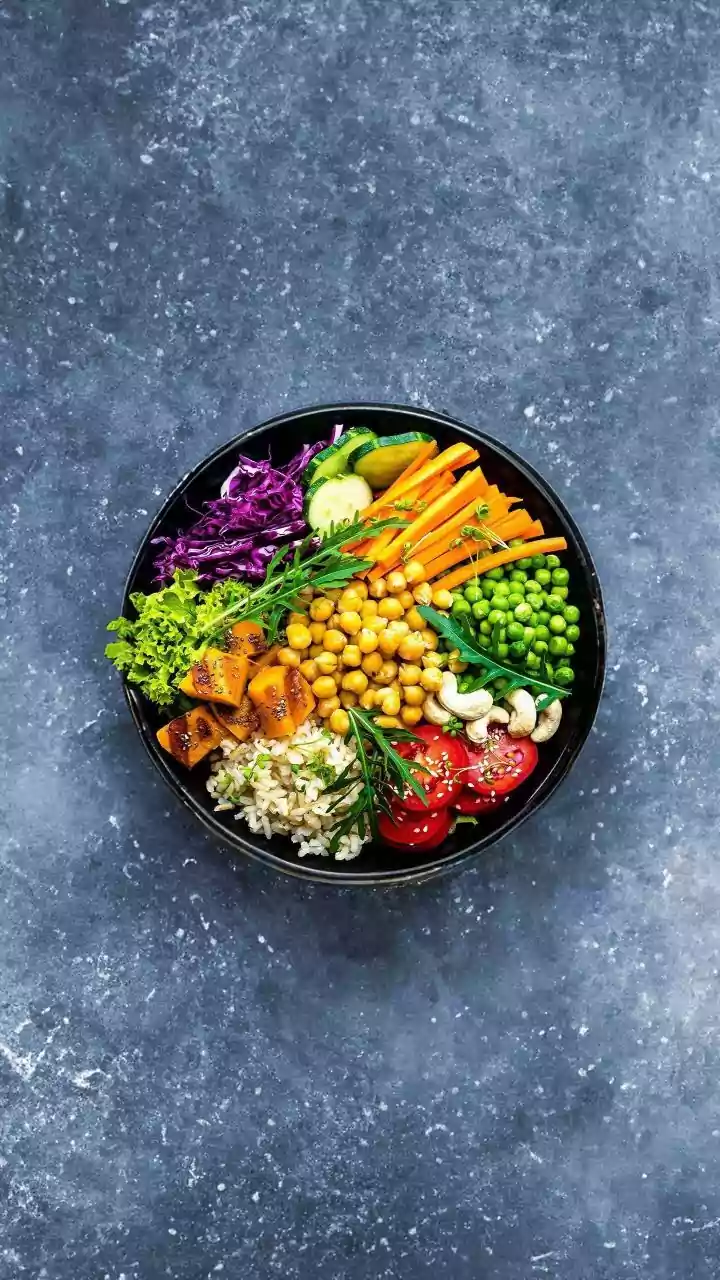
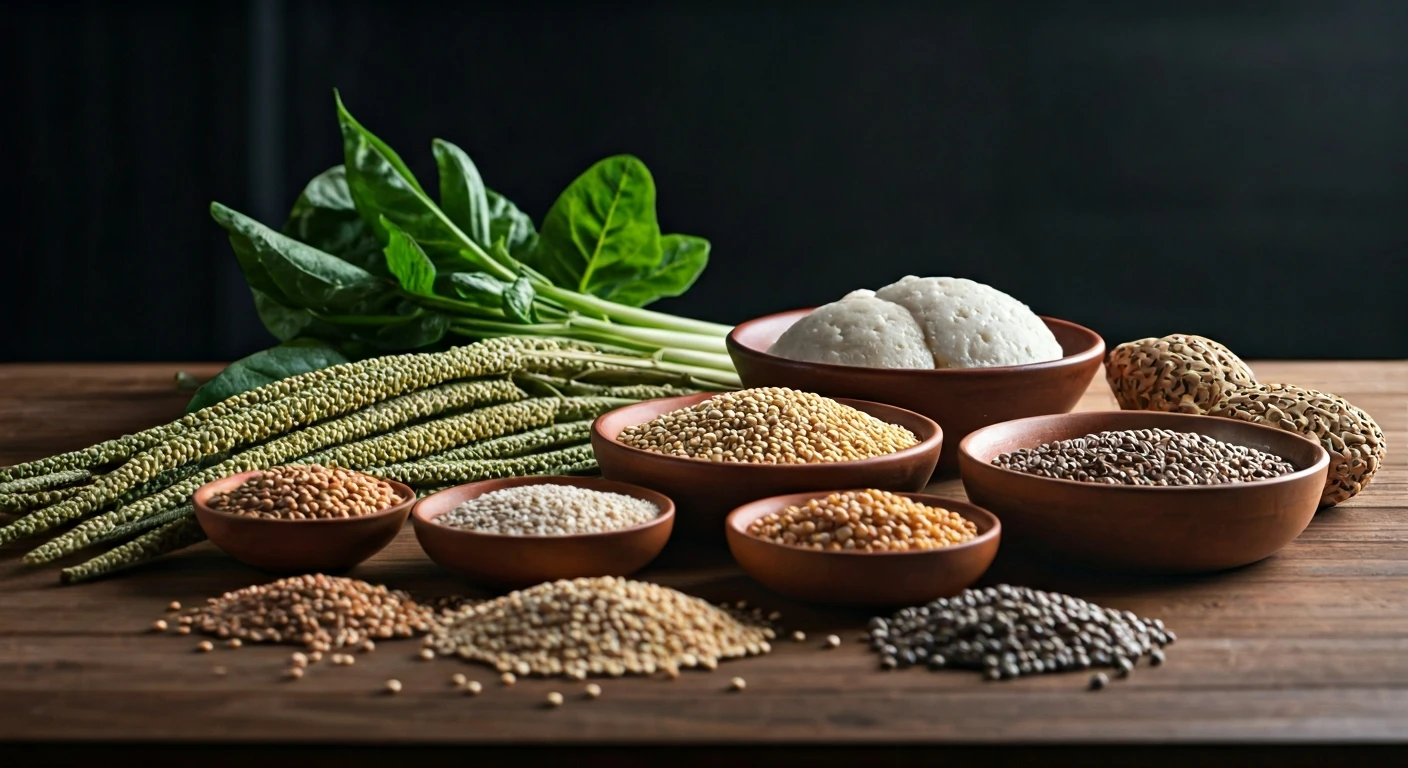
This new focus doesn’t mean abandoning traditional cuisine. Instead, it’s about reimagining it. High-protein eating in India isn't just about grilled chicken and whey shakes; it's about making everyday meals more nutritionally robust. This includes embracing traditional high-protein ingredients like paneer, dal, soya chunks, and besan (chickpea flour) more consciously. Recipes are being adapted to be more protein-forward: a regular roti is replaced with a besan or ragi chilla, dal is enriched with vegetables and seeds, and sprouted moong salads are becoming a light dinner staple. Even snacks are getting a protein boost, with roasted chana and makhana (fox nuts) being recognized for their nutritional value. The goal is to integrate protein seamlessly, without demanding a drastic change in eating habits.
Challenges on the Protein Path
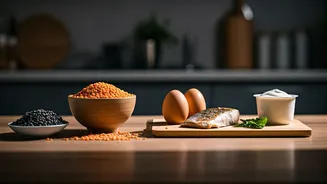
The transition is not without its challenges. For many, high-quality protein sources like lean meats, fish, and even some dairy products can be expensive. There's also the risk of relying on ultra-processed 'high-protein' snacks and meals, which may come loaded with sugar, salt, and unhealthy additives. Experts caution that simply adding protein to a product doesn't automatically make it healthy. For most people, a balanced diet rich in natural protein sources like pulses, legumes, eggs, and dairy is sufficient and more beneficial than relying on processed alternatives or expensive supplements. The key is balance and making informed choices rather than simply chasing a high number on a label.