









The New Rules of Wrapping
The Food Safety and Standards Authority of India (FSSAI) is amplifying its enforcement of regulations that have been in place for several years but are now seeing a renewed push. The core of the mandate is the Food Safety and Standards (Packaging) Regulations,
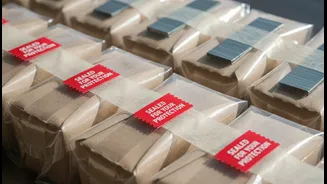
2018, which strictly prohibits the use of newspapers and recycled plastics for packing, storing, or serving food. The push directs all food businesses, from small street vendors and local bakeries to larger restaurants, to use only food-grade packaging materials. This means the ink-stained newspaper holding your vada pav and the non-standard plastic pouch for your puff pastry are officially on their way out, to be replaced by materials certified to be safe for direct food contact.
Why the Crackdown is Happening Now
The primary driver behind this move is public health. For years, scientists and regulators have warned about the dangers of using improper materials for food packaging. Newspaper ink, for instance, contains a cocktail of chemicals, including pigments, binders, and even heavy metals like lead, that can transfer onto food. The risk of this chemical migration increases significantly when the food is hot, oily, or moist—precisely the characteristics of many beloved Indian snacks. Beyond chemical contamination, newspapers and non-food-grade plastics can be unhygienic, potentially carrying harmful bacteria and viruses from their journey through printing presses, distribution networks, and vendor stalls. The recent enforcement drive was reportedly spurred by incidents such as a popular Mumbai vendor being found using newspapers, highlighting the continued prevalence of this risky practice despite the long-standing ban.
The Challenge for Small Bakeries
While the goal of enhanced food safety is laudable, the transition presents a significant challenge for the thousands of small and unorganised bakeries and food stalls across the country. For these businesses, newspaper and cheap plastic have been the go-to packaging solutions primarily due to their low cost. Switching to certified food-grade paper, butter paper, or compliant containers involves a notable increase in operational expenses. This cost will likely be passed on to the consumer, potentially leading to a small but noticeable increase in the price of everyday snacks. Beyond the cost, there is the issue of awareness and accessibility. Many small operators may not be fully aware of the specific standards they need to meet or where to source compliant materials reliably. FSSAI is working with state authorities to increase monitoring and awareness, but the transition will undoubtedly be a gradual and sometimes difficult process.
What This Means for You, the Consumer
For consumers, this change signals a major step forward in food safety. While it may mean goodbye to a familiar, albeit hazardous, tradition, the assurance that your food isn't absorbing harmful chemicals is a clear benefit. You can expect to see your local bakery switch to plain, unprinted paper bags, cardboard boxes, or other approved containers. FSSAI has also urged consumers to be vigilant and refuse food served in newspapers, becoming active participants in this public health initiative. In the long run, this shift is part of a larger movement towards better standards across India’s food landscape, encompassing everything from clearer labelling on packaged goods to promoting more sustainable and eco-friendly packaging options. It encourages a mindset where food safety is not an afterthought but an integral part of the entire food experience, from the kitchen to your hands.