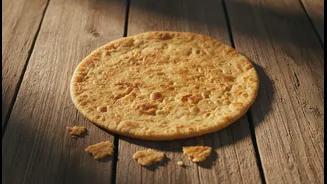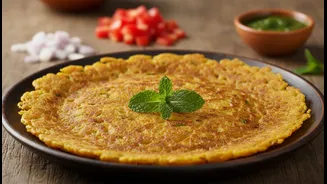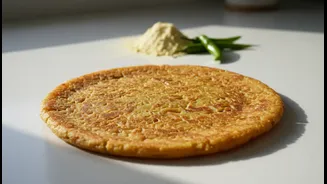







The Batter's Perfect Balance
The foundation of a great chilla is its batter, and consistency is everything. Many home cooks struggle with a batter that is either too thick, resulting in a dense and doughy chilla, or too thin, causing it to tear and break on the pan. The secret is to aim
for a smooth, pourable consistency, similar to a pancake batter but slightly thinner. Start with one cup of besan (gram flour) and gradually add about half a cup of water, whisking continuously to eliminate any lumps. Don't dump the water in all at once; adding it slowly allows you to control the thickness. The batter should coat the back of a spoon and flow in a steady stream. If you've added vegetables, you may need a little less water, as they will release moisture.
The Power of Patience: Let it Rest
This might be the easiest yet most overlooked secret. Once your batter is mixed to the perfect consistency, don't rush it to the pan. Let the batter rest for at least 10 to 15 minutes. This resting period allows the gram flour to fully hydrate, resulting in a smoother texture and a chilla that is less likely to crack. It also gives the spices time to meld and infuse the batter with deeper flavor. Some experts even suggest that after resting, the batter becomes thicker, so you might need to adjust with a splash of water just before cooking to get it back to the ideal pouring consistency. This small step makes a significant difference in the final texture and handling of your chilla.
The Secret to a Crispy Edge
While a soft, fluffy chilla is nice, many crave that signature crispy edge. If your chillas are consistently soft and you prefer more crunch, the secret lies in a simple addition to your batter. Add one tablespoon of fine semolina (suji/rava) or rice flour for every cup of besan. This small quantity works as a binding agent and provides a remarkable crispness without altering the essential flavor of the besan. It helps the chilla hold its shape better, especially when flipping, and gives it that delightful contrast between a soft center and a crunchy, golden-brown border. This is a game-changer for anyone who has struggled with floppy or fragile chillas.
Mastering the Pan and Temperature
Your technique can be perfect, but if the pan and heat aren't right, you're setting yourself up for failure. A non-stick tawa is ideal, but a well-seasoned cast iron pan also works wonders. The secret is proper heat management. The pan must be hot before you pour the batter, but not smoking hot. A common mistake is pouring batter onto a pan that's too hot, which causes it to set instantly and spread unevenly. Heat your pan over a medium flame, grease it lightly with oil, and then reduce the heat slightly just before pouring the batter. Pour a ladleful in the center and spread it gently in a circular motion. Once spread, turn the heat back to medium to ensure even cooking.
The Art of the Flip
The most nerve-wracking moment in chilla-making is the flip. A premature attempt often results in a broken, scrambled mess. The secret is to wait for the chilla to tell you it's ready. Don't rush it. Cook on a medium flame and watch for the signs: the top surface will start to look dry and set, and the edges will begin to lift slightly from the pan. You should be able to slide a thin spatula underneath it with little resistance. This usually takes about 2-3 minutes. Only then should you attempt to flip it. Cook the other side for another minute or two until you see golden-brown spots. Patience is your best tool here.
Flavor Boosters and Veggie Smarts
A basic besan chilla is delicious, but layering flavors takes it to the next level. Spices like ajwain (carom seeds) not only add a distinctive flavor but also aid in digestion, making them a perfect companion for gram flour. Finely chopped ginger, green chillies, and fresh coriander are essential for a fresh, zesty taste. When adding vegetables like onions, tomatoes, or bell peppers, the secret is to chop them very finely. Coarsely chopped vegetables can create weak spots in the batter, causing the chilla to break. By ensuring they are finely minced, they integrate seamlessly into the batter, adding flavor and nutrition without compromising the structure.