






When it comes to cardiovascular fitness, not all workouts are created equal. Rowing offers a powerful, continuous aerobic challenge, while ballet builds strength through bursts of activity. But which is better for sustained effort? Let's compare.
Understanding Steady-State Cardio
At its
core, the headline’s claim is about the difference between steady-state aerobic exercise and other forms of training. Steady-state cardio involves maintaining a consistent level of moderate intensity for an extended period. Think of a long jog, a bike ride at a constant pace, or, in this case, a session on a rowing machine. During this type of activity, your heart rate remains elevated but stable, allowing your body to efficiently use oxygen to produce energy. This process is excellent for building cardiovascular endurance, strengthening the heart muscle, and improving your body's ability to deliver oxygen to working muscles over a long duration. It’s the foundation of training for endurance events and a proven method for improving overall heart health.
The Rower’s Rhythm: A Full-Body Engine
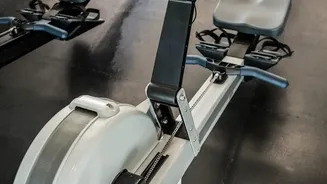
Rowing is a prime example of a steady-state cardio workout. Each stroke engages an estimated 85% of the body's muscles, including the legs, core, back, and arms. This full-body engagement creates a significant and constant demand for oxygen, forcing the heart and lungs to work efficiently for the entire session. The fluid, repetitive motion allows an athlete to settle into a rhythm and maintain an elevated heart rate for 30, 45, or even 60 minutes without stopping. This sustained effort is what makes rowing exceptional for building a strong aerobic base and improving stamina. Over time, this trains the heart to pump more blood with each beat, leading to greater cardiovascular efficiency both during exercise and at rest.
The Ballerina’s Bursts: Anaerobic Power and Grace
A ballet practice, or 'class', is structured very differently. It is inherently a stop-and-start activity. A typical 90-minute class is divided into sections, beginning with slower, methodical exercises at the barre to warm up specific muscle groups. This is followed by centre work, which includes slow, controlled movements (adagio) and then faster, more dynamic combinations. The class often culminates in 'allegro', which involves sequences of jumps and leaps across the floor. These exercises demand incredible power, control, and precision, but they are performed in short, intense bursts, often lasting less than two minutes. This makes much of ballet training anaerobic, meaning the body relies on immediate energy sources in the muscles rather than a steady supply of oxygen.
Why The Comparison Matters For Your Goals
So, the headline is correct in its framing. Rowing is superior for sustaining a steady aerobic effort because that is precisely what the activity is designed for. Ballet practice, with its frequent pauses for instruction, correction, and transitions between exercises, does not keep the heart rate in a steady aerobic zone for a prolonged period. Instead, it challenges the body with high-intensity intervals. This builds explosive power, muscular endurance, and balance in a way rowing does not. One is not inherently 'better' than the other; they simply train the body for different outcomes. Rowing builds the engine for a marathon, while ballet creates the power for a series of sprints and athletic feats of control.
Beyond Cardio: A Holistic View of Fitness
While rowing takes the lead for steady-state aerobic conditioning, a complete fitness profile includes more than just heart health. Ballet is renowned for developing exceptional core strength, flexibility, posture, and balance. The focus on precise muscle control and alignment provides unique benefits that rowing, with its more uniform movement pattern, cannot replicate. Conversely, rowing offers a low-impact, high-intensity workout that builds functional strength across the entire body with less stress on the joints than the high-impact jumps in ballet. For a well rounded fitness regimen, the ideal approach might even involve combining both : using rowing for dedicated cardio days and ballet for strength , flexibility , and coordination.