
The Body in Deep Space
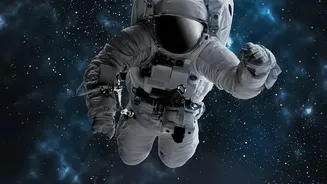
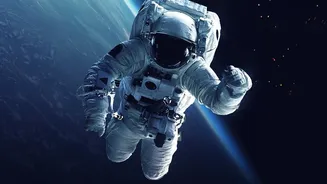
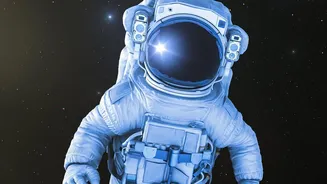
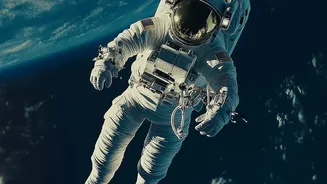
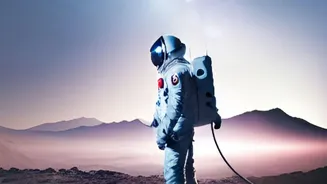
Leaving Earth’s protective embrace is tough on the body. Two of the biggest threats are cosmic radiation and microgravity. Without Earth's magnetic field, astronauts are exposed to high-energy radiation that can damage DNA and increase long-term health
risks. Meanwhile, the absence of gravity causes the body to rapidly deteriorate. Astronauts can lose bone density at a rate of 1 to 1.5 percent per month, significantly increasing the risk of fractures. Muscles also begin to waste away from disuse, with some astronauts losing up to 20% of their muscle mass in just a week. These physiological stressors are compounded by psychological challenges like isolation and confinement, making long-duration missions a true test of human endurance.
A Prescription From the Pantry
To combat these dangers, NASA and other space agencies are looking at nutrition not just as fuel, but as medicine. An 'enhanced diet' rich in fruits, vegetables, and fish is being studied to counter the stresses of spaceflight. The strategy is to use specific nutrients to target specific problems. For instance, foods rich in antioxidants and anti-inflammatory compounds, like polyphenols found in berries and dried plums, may help protect against radiation damage. To fight bone loss, diets are optimized with adequate calcium and vitamin D. Research has shown that an adequate intake of energy, protein, and vitamin D is essential for maintaining bone density during a long spaceflight. Omega-3 fatty acids, found in fish, are also being studied for their potential to reduce bone loss and support brain health.
Rehearsal on Planet Earth
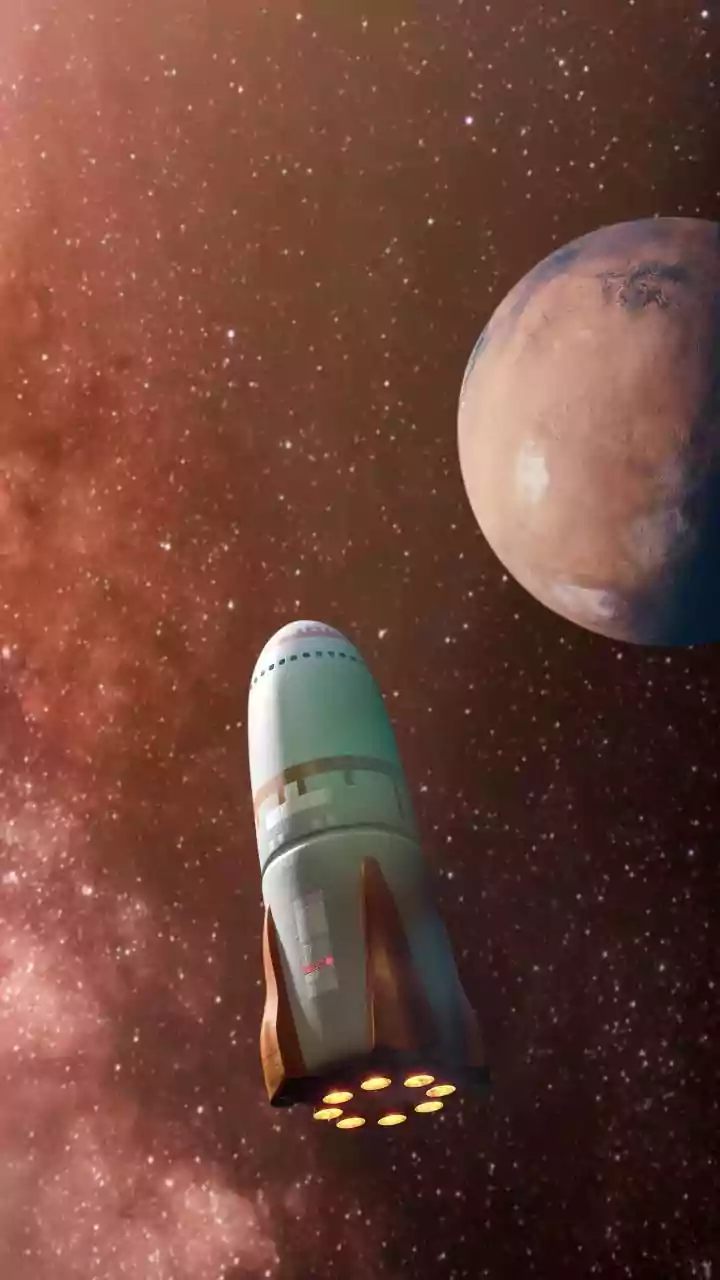
Before sending these nutritional plans to Mars, they need to be tested. This is where analog missions come in. NASA’s CHAPEA (Crew Health and Performance Exploration Analog) program seals crews in a simulated Mars habitat for a year at a time to study the effects of isolation and a restricted food system. The first CHAPEA mission, which concluded in July 2024, was heavily focused on nutrition. The four-person crew had a limited diet of prepackaged foods but also grew their own leafy greens and herbs. By studying everything from their dietary intake to their physical and mental health, scientists gather crucial data on how to design a food system that can keep astronauts healthy and performing at their best on a three-year journey to the Red Planet.
The Future of Space Dining
The goal is to move beyond just pre-packaged meals, which lose nutritional value over time. Growing fresh food is a critical part of the plan, not only for nutrition but for the psychological boost it provides. The International Space Station has already hosted experiments growing everything from chili peppers to leafy greens. Looking further ahead, researchers are exploring innovative solutions like genetically engineered microbes that can produce vital nutrients on demand inside a bioreactor. This would allow astronauts to create fresh supplements, antioxidants, and even yogurt millions of miles from Earth. The psychological value of varied, flavorful food is also a major consideration, as a poor appetite can lead to dangerous weight loss on long missions.