


The Tale of Two Zones
The key to understanding this situation lies in how national parks are structured. They are typically divided into 'core' and 'buffer' zones. The core area is a highly protected habitat where human activity is strictly limited to preserve the ecosystem.
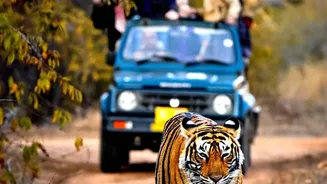
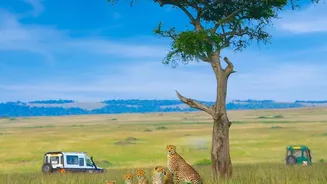
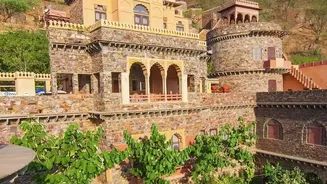
Most of the iconic wildlife safaris take place on dirt tracks within these core zones. Surrounding this is the buffer zone, an area of lower protection that often contains villages, resorts, and other tourism infrastructure. A hotel operating while safaris are suspended is almost always located in this buffer zone or on its periphery. Its accessibility isn't dependent on the sensitive tracks inside the core forest, allowing it to remain open for guests seeking a tranquil retreat, even if the main safari gates are closed.
Why the Safari Shutdown?
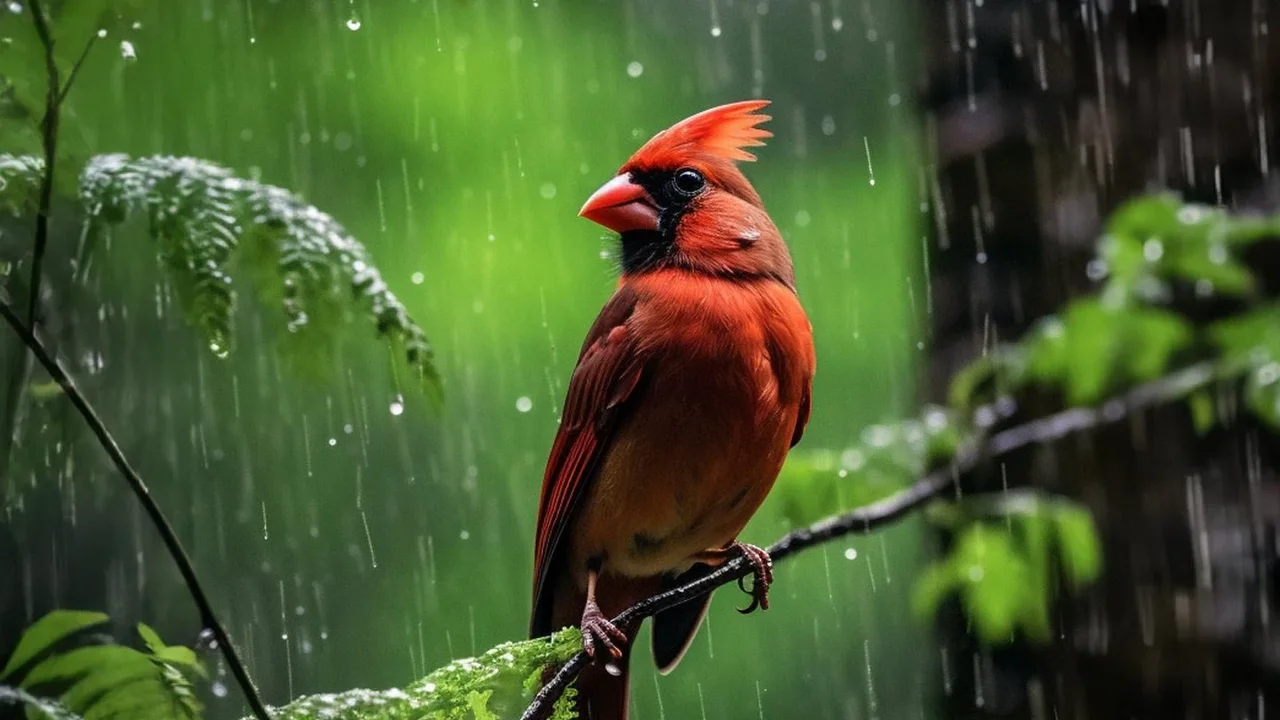
The primary reason for suspending wildlife drives, particularly from July to September, is the monsoon. Heavy rains make the unpaved trails inside the core forest areas muddy, treacherous, and often completely impassable, posing significant safety risks to visitors and vehicles. Beyond safety, the monsoon is a critical time for conservation. It is the breeding and mating season for many species, from tigers to birds. The break from the constant movement of safari jeeps provides a much-needed period of peace, allowing animals to raise their young without human disturbance. This annual pause also gives park authorities the chance to undertake essential maintenance work, repairing trails and restoring habitats for the upcoming tourist season.
Not All Gates Are Closed
While famous core zones like Dhikala and Bijrani in Corbett National Park close during the monsoon, it's not a complete shutdown. To balance conservation with tourism, authorities often keep a few designated zones open year-round. In Corbett, for instance, the Jhirna, Dhela, and sometimes Garjiya zones remain accessible for limited safari drives. These zones are managed to handle monsoon conditions better and offer visitors a chance for wildlife sightings, albeit with different expectations. Tiger sightings might be less frequent as animals don't need to come to waterholes, but the forest is at its most lush and vibrant, offering incredible biodiversity for birdwatchers and nature lovers.
A Different Kind of Holiday
For hotels and resorts in the buffer zones, the monsoon offers a different business model. They cater to tourists who are looking for a peaceful getaway amidst rain-washed greenery, rather than just a tiger-sighting expedition. These properties offer alternative activities like guided nature walks in the buffer areas, birdwatching sessions, and cultural experiences in nearby villages. It becomes a destination for relaxation and rejuvenation, attracting city dwellers looking for a break from the heat and hustle. While it may not be the high-octane safari adventure, it provides a more serene and immersive natural experience.
The Economic Ripple Effect
The policy has a mixed economic impact on the local community. For hotel owners and their staff, remaining open provides a crucial stream of revenue during what would otherwise be a completely dead season. However, the suspension of the majority of safari drives delivers a significant blow to the wider tourism ecosystem. Hundreds of safari jeep drivers, guides, and owners of small guesthouses and shops who depend solely on the safari traffic face a sharp drop in income. This creates a seasonal economy where a few larger establishments can adapt, while many smaller operators struggle, highlighting the complex relationship between conservation policies and local livelihoods.