




The Joy of a Seasonal Twist
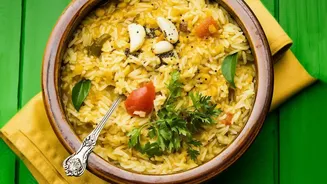
There is a reason every household has its own version of khichdi; it is endlessly adaptable. While a simple dal khichdi is perfect for when you're feeling under the weather, a vegetable-loaded one makes for a complete and satisfying meal. Using seasonal
vegetables is a wonderful way to keep your khichdi exciting and flavourful all year round. It ensures you are using produce at its peak freshness, which means better taste and more nutrients. Sautéing the vegetables with spices before adding the rice and dal is a common technique that builds a delicious flavour base.
Warming Winter Vegetables
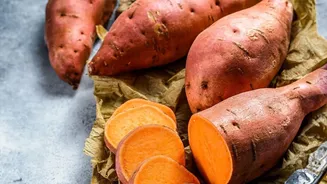
Winter brings a bounty of hearty vegetables that are perfect for a warming bowl of khichdi. Vegetables like carrots, green peas, and cauliflower are classic additions. Carrots add a subtle sweetness, peas provide a pop of texture, and cauliflower florets become tender and absorb all the savoury flavours. These vegetables are firm and can be added along with the rice and dal to cook together in the pressure cooker. For a deeper flavour, you can sauté them in ghee with cumin seeds and a pinch of asafoetida before adding the other ingredients. Other excellent winter choices include sweet potatoes, which add a creamy texture, and leafy greens like methi (fenugreek) or spinach, which can be stirred in at the end of the cooking process.
Light and Cooling Summer Choices
In the summer, you want vegetables that are light and hydrating. Gourds are an excellent choice. Bottle gourd (lauki), ridge gourd (turai), and pumpkin (kaddu) are all readily available and cook down beautifully, making the khichdi creamy and easy to digest. Because these vegetables have high water content, they cook quickly. You can chop them into small pieces and add them to the pot with the lentils and rice. French beans are another great summer addition, providing a pleasant crunch. For a refreshing twist, finely chopped cucumber can be added to the khichdi just before serving for a cooling effect without cooking it.
Nourishing Monsoon Additions
The monsoon is a great time for a variety of gourds and leafy greens. Vegetables like pointed gourd (parwal) and ivy gourd (tindora) hold their shape well in khichdi. Okra (bhindi) can also be used, but it's best to sauté it separately until it's no longer slimy before mixing it into the finished khichdi. This season is also fantastic for leafy greens. Spinach (palak) is a classic, wilting beautifully into the hot khichdi and adding a dose of iron. For a more robust flavour, try adding amaranth leaves or even tender colocasia (arbi) leaves, which are popular in regional monsoon cooking.
Tips for Perfect Vegetable Khichdi
To make the most of your vegetables, start by sautéing hard vegetables like carrots and potatoes in ghee with your spices. This helps them release their natural sweetness. Softer vegetables like gourds and leafy greens can be added later in the cooking process to prevent them from turning to mush. Don't be afraid to mix and match; a combination of a root vegetable, a green, and a gourd can create a wonderfully complex texture and flavour profile. Finally, adjust your water content. If you add a lot of water-rich vegetables like bottle gourd, you might need slightly less water for cooking the khichdi to achieve your desired consistency.