


The Science of Greener Air
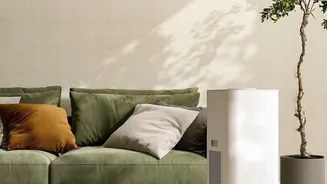
The air in our homes can be surprisingly full of pollutants, including particulate matter (PM). These are tiny, invisible particles like dust, soot, and other airborne solids that can penetrate deep into our lungs. While most people associate PM with
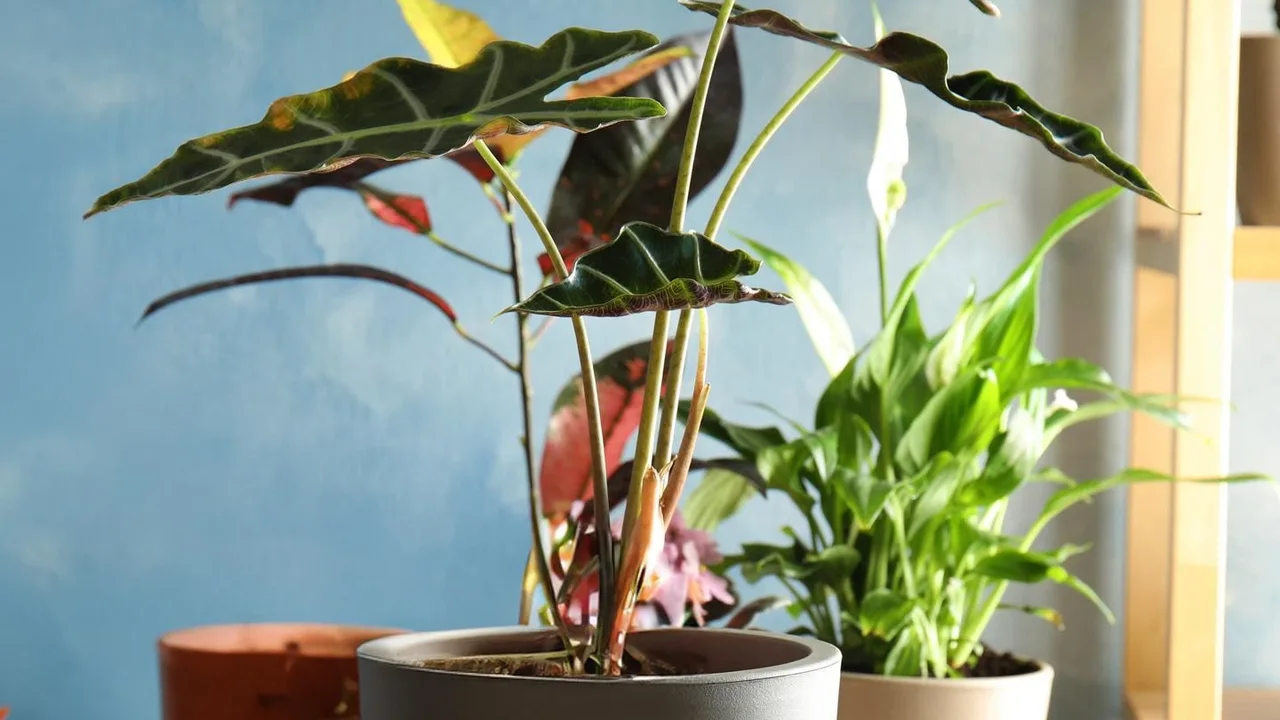
outdoor smog, it is also a significant problem indoors. This is where plants come in. The process is a simple one: plants act as natural, living air filters. Particulate matter in the air settles on the surfaces of their leaves. Plants with broad, waxy, or textured leaves are particularly effective at trapping these particles. While the famous 1989 NASA Clean Air Study focused on filtering chemical gases (Volatile Organic Compounds or VOCs), subsequent research has shown that plants can indeed help reduce PM levels. The plant's leaves and the soil microbes work together to absorb and break down these pollutants.
A Breath of Fresh Air, Realistically
It is important to have realistic expectations. While houseplants are beneficial, they are not a substitute for a high-efficiency particulate air (HEPA) filter, especially during peak pollution days in Delhi-NCR. Studies show that you would need a very high density of plants—anywhere from 10 to 1,000 per square meter—to match the air-cleaning capacity of a good ventilation system or mechanical purifier. However, that doesn't mean they don't help. Think of them as a valuable supplement. They work silently and consistently to support a healthier indoor ecosystem, adding oxygen, increasing humidity, and providing proven psychological benefits like reduced stress. The key is to see them as one part of a broader strategy for cleaner indoor air.
The Unkillable Snake Plant
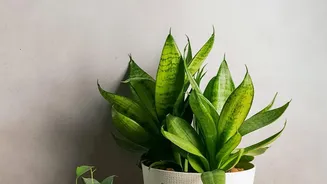
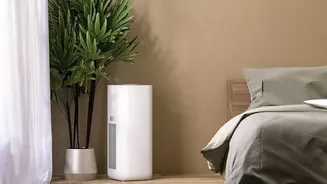
The Snake Plant (Sansevieria trifasciata) is arguably the toughest indoor plant available, making it perfect for beginners or busy households. Its upright, architectural leaves not only look stylish but are also efficient air purifiers. It's renowned for its ability to thrive on neglect, tolerating low light and infrequent watering. A unique benefit of the Snake Plant is that it performs photosynthesis differently than most plants, releasing oxygen at night. This makes it an excellent choice for bedrooms, helping to freshen the air while you sleep. For best results, simply wipe the leaves with a damp cloth every few weeks to remove dust, which allows the plant to 'breathe' and absorb pollutants more effectively.
The Ever-Popular Money Plant
The Money Plant (Epipremnum aureum, or Pothos) is a staple in countless Indian homes for a reason. It is incredibly easy to grow, whether in soil or just a bottle of water, and its fast-growing vines can add a lush, green feel to any room. This plant is highly adaptable and tolerates a wide range of lighting conditions, though it prefers bright, indirect light. The Money Plant was featured in NASA's research for its effectiveness at removing common indoor chemical pollutants. Its broad leaves also provide a good surface area for capturing airborne dust and particulate matter. Let it trail from a shelf or climb a support to maximize its decorative and air-cleaning potential.
The Lush Areca Palm
If you're looking to make a bigger statement, the Areca Palm (Dypsis lutescens) is an excellent choice. Its feathery, arching fronds instantly create a tropical vibe in any living space. Beyond its good looks, the Areca Palm is a powerhouse when it comes to air purification. It is particularly known for releasing a significant amount of moisture into the air through transpiration, which can help combat the dry indoor air common in winter. It's also effective at filtering certain airborne toxins. While it requires a bit more care than a Snake Plant—preferring bright, indirect light and consistently moist soil—it remains a manageable and rewarding plant for Indian homes.
The Prolific Spider Plant
The Spider Plant (Chlorophytum comosum) is another champion of low-maintenance indoor gardening. It’s known for its resilience and its ability to produce tiny 'spiderettes' or baby plants that can be easily repotted and grown. Studies have shown Spider Plants to be quite effective at removing pollutants from the air. They have a dense cluster of arching leaves that are great for trapping dust. These plants prefer bright, indirect light but are adaptable to lower light conditions. They are also non-toxic, making them a safe choice for homes with pets and children.