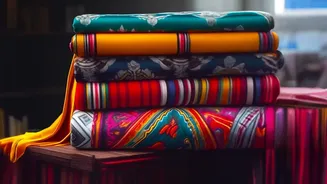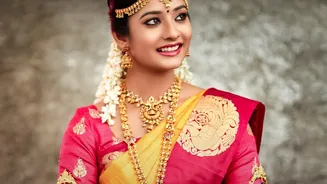

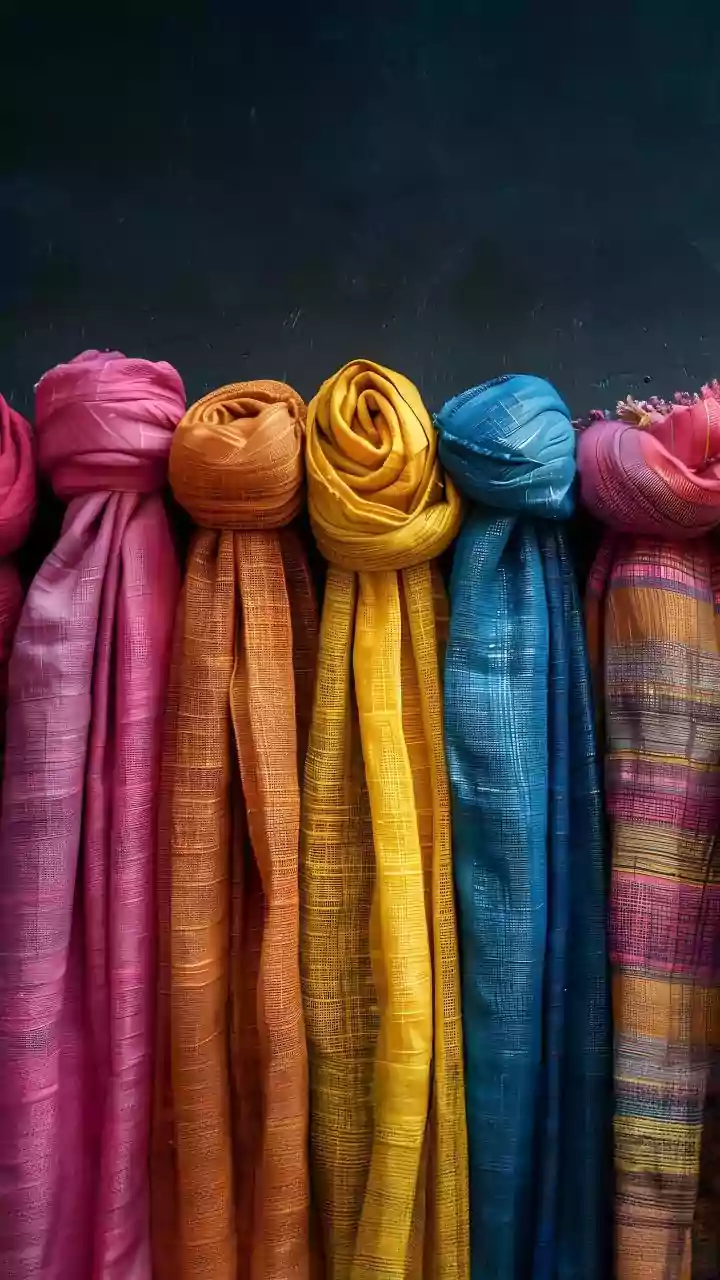
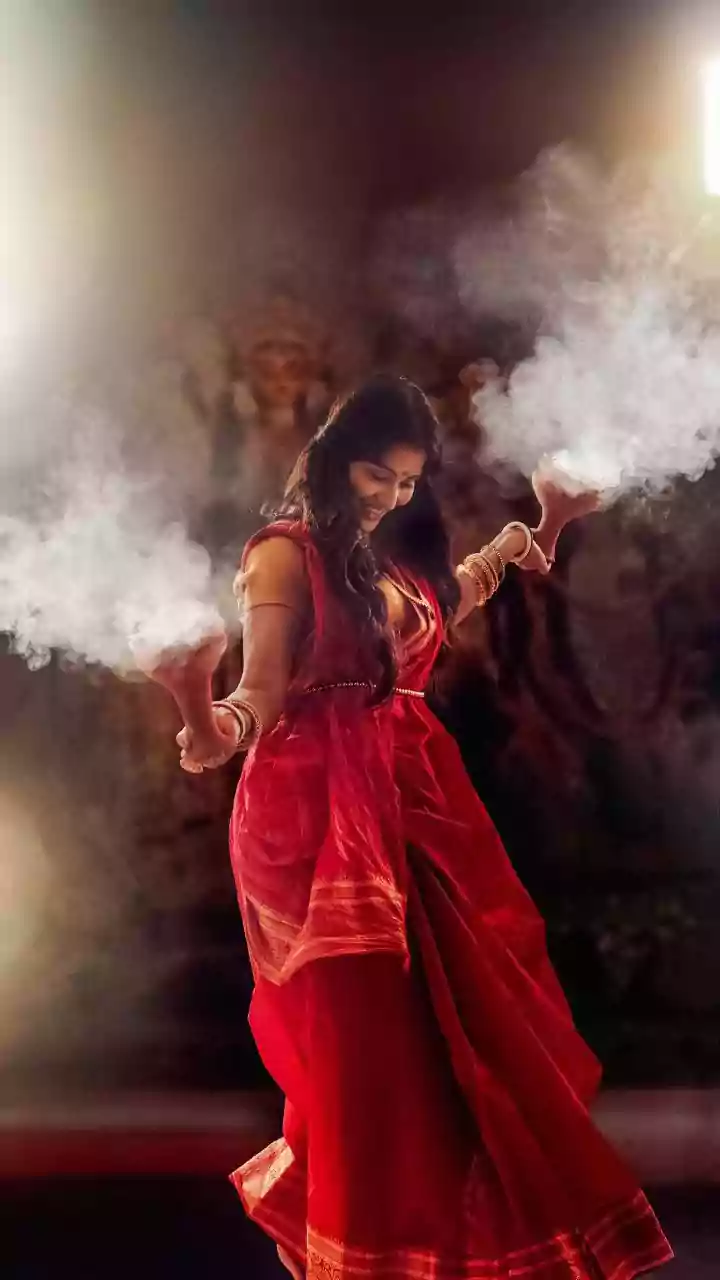

The era of buying a new, flashy outfit for every wedding and festival, only to banish it to the back of the closet, is fading. A smarter, more conscious mindset is taking over, especially among young Indians. Here’s what’s driving the big shift.
The New Festive Math: Cost-Per-Wear
The biggest
driver behind this trend isn't just a lofty ideal; it’s simple economics. Young consumers are embracing the 'cost-per-wear' calculation. Instead of spending a smaller amount on a trendy, low-quality piece that lasts one event, they see the wisdom in investing more in a high-quality garment that can be worn multiple times. A study of youth in Bengaluru found that a staggering 82.7% prefer long-term durability over temporary fashion fads, with affordability and brand image being key decision drivers. This pragmatic approach frames a well-made lehenga or a classic handloom saree not as an expense, but as an investment in a durable, versatile wardrobe.
A Move Towards Conscious Consumption
Environmental awareness is no longer a niche concern. Young Indians are increasingly conscious of the fashion industry's impact, which is often cited as the world's second-largest polluter. The fast fashion model of rapid production and disposal is falling out of favour with a generation that demands transparency and ethical practices. This has fueled a surge in interest for sustainable materials like organic cotton, handloom fabrics such as Khadi, and natural dyes. Brands championing these practices and reviving traditional crafts are gaining significant traction, as their ethos aligns with a consumer base that wants to make responsible choices.
Personal Style Over Fleeting Trends
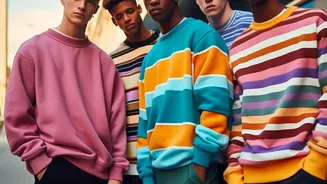
Social media once fueled the 'never be seen in the same outfit twice' culture, but the tide is turning. Today, it’s about showcasing personal style and creativity. Rewearable pieces offer the perfect canvas for this. A single high-quality kurta set can be transformed with different dupattas, jewellery, or styling for various occasions. This move towards 'capsule' festive wardrobes allows for more individuality than mass-produced trends. Designers are responding with modular and versatile collections—think detachable elements and classic silhouettes in muted, modern palettes of ivory, sage, and champagne that can be dressed up or down. This focus on adaptability is a core tenet of modern Indian style in 2026.
The Allure of Timeless Craftsmanship
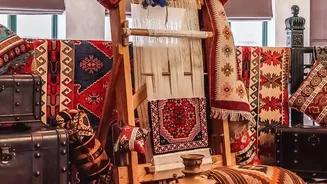
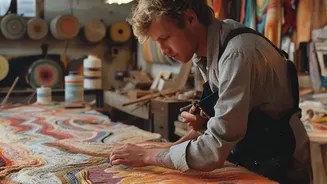
There is a renewed appreciation for the legacy of Indian craftsmanship. Rather than chasing fleeting Western trends, consumers are finding luxury in the rich textures of handwoven textiles like Chanderi, Banarasi silk, and Jamdani. These fabrics tell a story of heritage and artistry that fast fashion cannot replicate. Studies show that even as young consumers experiment, they perceive traditional Indian fashion as being of better quality and having more positive associations. Designers like Sabyasachi Mukherjee, Anju Modi, and Anita Dongre have built empires on this very principle, blending traditional techniques with contemporary cuts to create heirloomndquality pieces that feel both modern and timeless. This focus on authentic, wellmade garments offers a sense of pride and permanence.