





The Allure of Off-Season Pricing
For years, the monsoon meant deep discounts for hotels struggling to fill rooms. While the season is now a major draw, attracting a huge volume of travellers, the perception of value remains a key driver. Though prices in popular spots like Goa have become
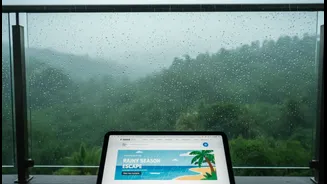
more resilient due to high demand, many destinations still offer significant savings compared to the peak winter and summer months. Travel platforms are leaning into this with dedicated monsoon sales, offering substantial discounts on flights and hotels. This price sensitivity doesn't mean travellers are just looking for the cheapest option; rather, they are seeking value-packed deals. Hotels are responding with all-inclusive stay packages that bundle meals and experiences, making a monsoon trip an attractive proposition. Travellers are finding that their budget stretches further, allowing for longer stays or more luxurious experiences without the premium price tag of peak season.
Flexibility Is the New Non-Negotiable
The unpredictability of monsoon weather—from sudden downpours to potential travel disruptions—has made booking flexibility a top priority for Indian travellers. The trend towards spontaneous, short-notice trips, often planned within days of departure, further amplifies this need. Travellers now actively search for hotels offering free cancellation or pay-at-hotel options, providing a safety net against last-minute changes. This demand for adaptability has become so crucial that it’s one of the most-used search filters on booking platforms. It reflects a broader shift in travel behaviour, where convenience and peace of mind are as important as the destination itself. Hotels and travel companies that offer refundable bookings and flexible payment terms are better positioned to attract this new generation of spontaneous and pragmatic travellers.
The Search for Serenity and Quiet
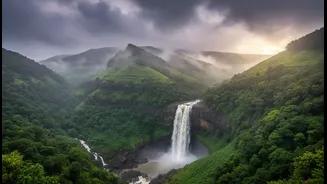
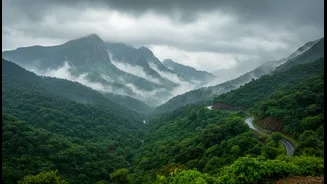
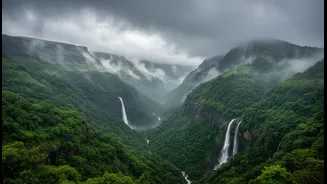
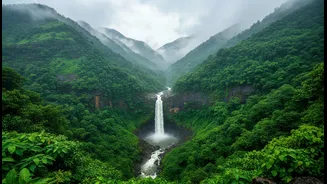
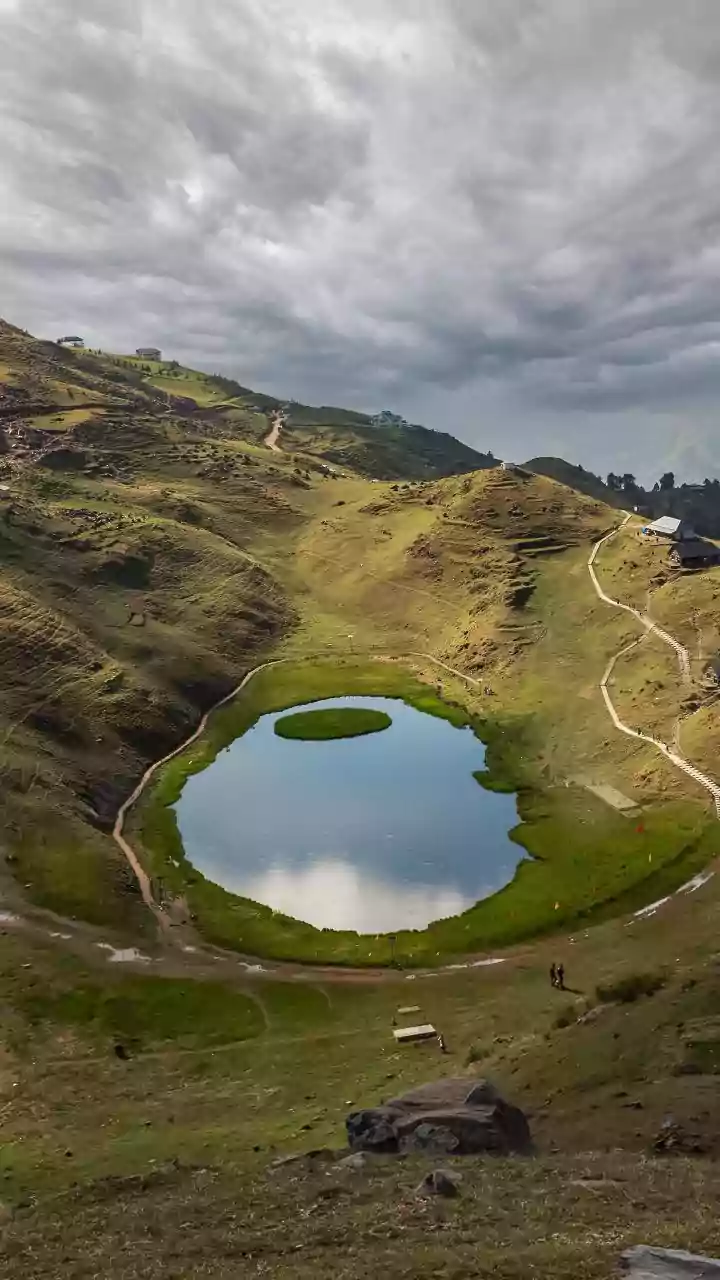
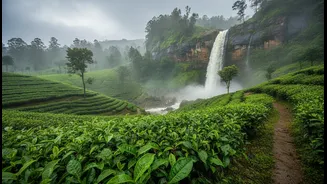
While cities like Mumbai and Delhi still see high search volumes, there is a clear and growing trend of travellers seeking experiences over traditional destinations. This has led to a boom in bookings for quieter, offbeat locations where the monsoon’s magic can be enjoyed without the crowds. Instead of flocking to mainstream hill stations, travellers are exploring serene alternatives like Tirthan Valley in Himachal Pradesh, the rainforests of Agumbe in Karnataka, and the misty tea estates of Valparai in Tamil Nadu. Destinations in the Northeast, such as Nagaland and Arunachal Pradesh, have seen a significant spike in flight bookings. Even within popular states, the focus is shifting. In Maharashtra, travellers are looking beyond Lonavala to places like Bhandardara and Malshej Ghat. This desire for tranquil escapes is driven by a need to disconnect and experience nature at its most vibrant, from lush green landscapes and full-flowing waterfalls to the simple pleasure of enjoying a cup of chai while watching the rain.
Rise of Experience-Led Getaways
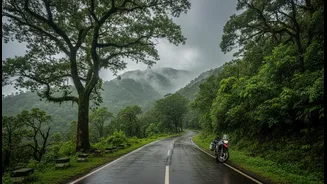
Modern monsoon travel is less about ticking off sights and more about the experience itself. Travellers are increasingly choosing destinations that align with personal interests like wellness, spirituality, and outdoor adventure. Rishikesh, for example, has seen a massive surge in popularity, climbing into the top-most-searched domestic destinations for its blend of spirituality and nature. This trend is also visible in the rising demand for road trips through scenic routes like the Western Ghats and drives from Guwahati to Shillong. Hotels are catering to this by curating specific monsoon packages, such as Ayurvedic treatments in Kerala—believed to be more effective during the humid months—or offering stays focused on reconnecting with nature. The goal is no longer just to find a place to stay, but to find a place that offers a memorable and immersive rainy-season experience.