






The Rise of the Experience Economy
There's a fundamental change in how young urban Indians are choosing to spend their money. Instead of accumulating products, they are increasingly investing in experiences. This isn't just a feeling; the numbers back it up. A recent report highlighted
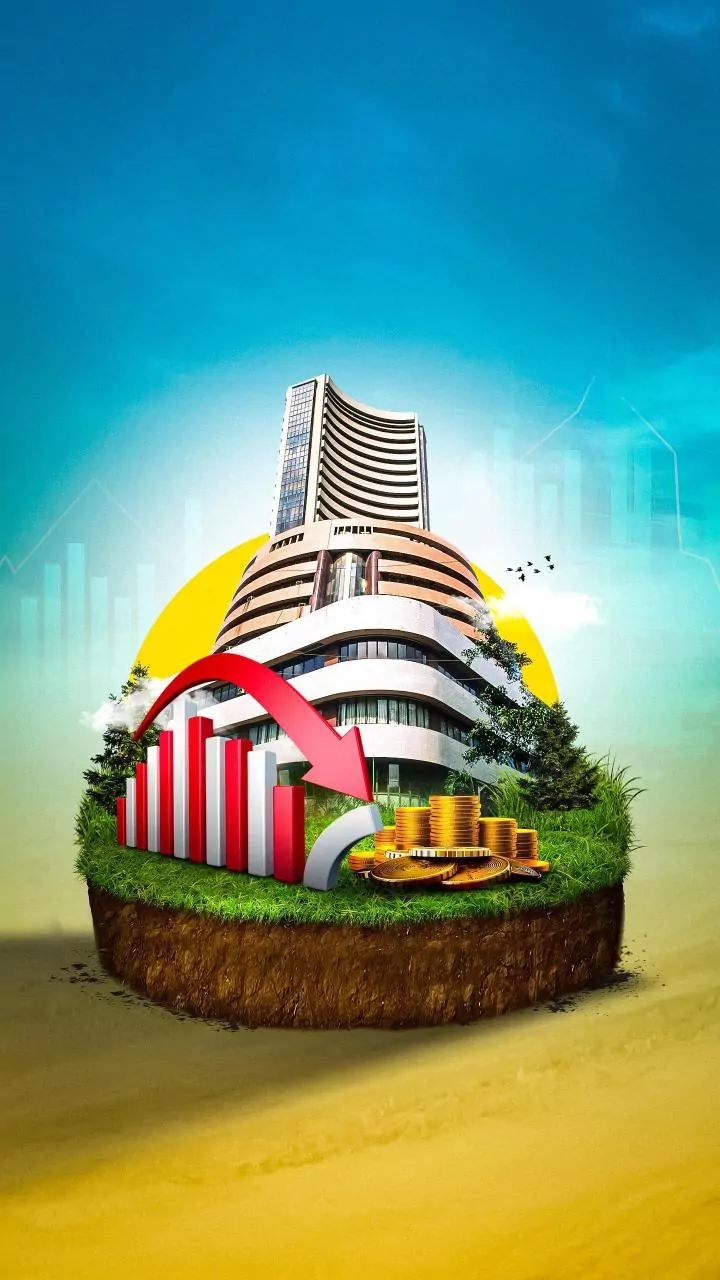
that 78% of Indian consumers now prefer spending on experiences rather than physical goods. Projections show that household spending on experiences is set to grow at a faster rate (10.3%) than spending on goods (9.1%) through 2030. India's broader 'experience economy,' which includes everything from live events and weddings to travel and dining, is projected to nearly double from over $32 billion in 2024 to nearly $60 billion by 2030. This movement is largely powered by Gen Z and millennials, who are entering their prime earning years with a different set of values than previous generations.
From FOMO to YOLO: The Psychological Drivers
Two powerful acronyms, FOMO (Fear Of Missing Out) and YOLO (You Only Live Once), are at the heart of this trend. Social media platforms like Instagram and YouTube are architected to create a constant stream of aspirational content. When feeds are filled with friends on beach vacations or attending exclusive festivals, it creates a powerful psychological nudge to participate. This FOMO has become a significant financial force, where the pressure to keep up can lead to impulsive spending. Complementing this is the YOLO mindset, which encourages seizing the moment. For a generation facing economic uncertainty, the idea of a tangible reward today—like a weekend trip or a concert ticket—can feel more valuable than abstract long-term savings. This combination makes spending on shareable, memorable moments feel not just desirable, but necessary for building a social identity.
The 'Instagrammable' Moment as Social Currency
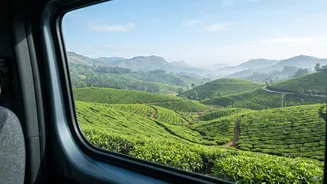
In the digital age, experiences have become a new form of social currency. A stunning photo from Spiti Valley or a video from a music festival tells a more compelling story online than a new gadget. Travel has become particularly performative, with trips sometimes planned around content opportunities. Destinations that are visually appealing or 'Instagrammable' have seen a surge in popularity, often driven by travel influencers who act as modern-day tour guides. Research shows that an overwhelming majority of young Indian travellers use platforms like YouTube (91%) and Instagram (85%) for travel inspiration. This has a real economic impact, boosting tourism in lesser-known areas but also creating challenges like over-tourism in places that go viral. The desire for these digitally shareable environments is so strong that it is reshaping entire sectors, like hospitality, where hotels are now designed to be social media-friendly backdrops.
Financing the Fun: Debt and Digital Credit
This heightened desire for experiences doesn't always align with income, leading many young Indians to turn to new forms of credit. The rise of 'Buy Now, Pay Later' (BNPL) services has made it easier than ever to fund a lifestyle for social media. These services offer instant, short-term loans for everything from products to travel packages, often with just a few clicks. While convenient, this easy credit can create a dangerous cycle. Studies show that the pressure to maintain a certain online persona is leading some young Indians into debt. The brief thrill of a purchase can be followed by a 'financial hangover' of anxiety and stress over repayments. This is especially true as social media algorithms constantly present new trends and limited-time offers, encouraging impulsive decisions without full consideration of the long-term financial consequences.