



Why Monsoon Means More Ticks
While we see the monsoon as a relief from the summer heat, ticks see it as the perfect opportunity to thrive. These parasites don't actually 'rain down' from the sky, but the conditions created by the rain are ideal for them. Ticks love warmth and high
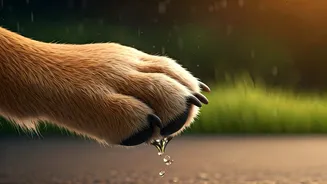
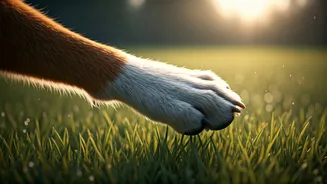
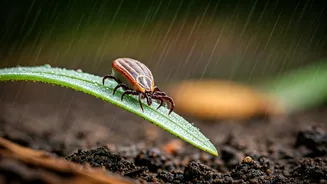
humidity, both of which are abundant during India's rainy season. The moisture allows their eggs to hatch more successfully, and the overgrown grass and dense foliage that springs up provides the perfect cover for them to lie in wait for a host—like your unsuspecting dog. They climb onto blades of grass and 'quest,' holding out their front legs to latch onto any animal that brushes past. So, that joyful romp through a lush, green park is exactly where the danger lies.
The Hidden Dangers of a Tick Bite
A tick is more than just an ugly, blood-sucking pest. In India, ticks are vectors for several serious and potentially fatal diseases. The most common ones dog owners should be aware of are Tick Fever, caused by pathogens like Ehrlichia and Babesia. * **Ehrlichiosis:** This bacterial illness can cause fever, lethargy, loss of appetite, and in severe cases, bleeding disorders and neurological problems. Symptoms may not appear for weeks after the bite. * **Babesiosis:** Caused by a protozoan that infects and destroys red blood cells, this disease leads to anaemia, jaundice (yellowing gums and eyes), fever, and dark-coloured urine. It can be extremely dangerous if not treated promptly. Because the symptoms can be vague and mimic other illnesses, it’s crucial to be vigilant and understand that a single tick bite can have severe consequences for your pet's health and your wallet.
Prevention: Your First Line of Defence
The best way to deal with ticks is to prevent them from biting in the first place. Relying on just removing them after a walk is a risky strategy. Before the monsoon even begins, consult your veterinarian about the best preventative measure for your dog. Options include: * **Topical Treatments (Spot-ons):** These are monthly liquid applications on the skin, usually between the shoulder blades. They kill ticks and fleas on contact. * **Tick Collars:** Modern tick collars release active ingredients over several months, offering long-lasting protection. Ensure you get a high-quality one from a trusted brand. * **Oral Medications:** These are chewable tablets given monthly or every three months. They work by entering the dog's bloodstream, killing ticks when they bite. Your vet can recommend the best option based on your dog's breed, age, health, and lifestyle. Never use a product meant for dogs on cats, as it can be toxic.
The Post-Walk Tick Check
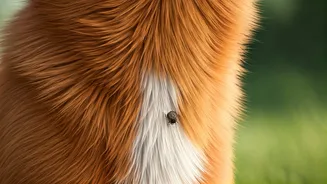
Even with preventative measures, a thorough check after every single walk during the monsoon is non-negotiable. Ticks are masters of hiding. Make this a calm, positive routine with lots of praise and treats. Run your hands slowly over your dog’s entire body, feeling for any small bumps. Pay extra close attention to these common hiding spots: * Between the toes and paw pads * Inside and around the ears * Around the eyelids * Under the collar * In the 'armpits' and groin area * At the base of the tail Ticks can be as small as a pinhead, so be methodical. If you have a long-haired dog, use a comb to part the fur and check the skin.
How to Safely Remove a Tick
If you find a tick, do not panic. And do not try to burn it, apply nail polish, or use any other home remedies—these can cause the tick to regurgitate infected saliva into your dog. The correct method is simple and effective: 1. **Get a good pair of fine-tipped tweezers or a special tick-removal tool.** 2. **Part your dog's fur so you have a clear view of the tick.** 3. **Grasp the tick as close to the dog's skin as possible.** You want to grab its head, not its body. 4. **Pull upward with steady, even pressure.** Do not twist or jerk, as this can cause the mouthparts to break off and remain in the skin. If this happens, don't panic; the body will likely expel them over time, but monitor the area for infection. 5. **Dispose of the tick.** The best way is to drop it in a small container of rubbing alcohol or flush it down the toilet. 6. **Clean the bite area** on your dog's skin with an antiseptic and wash your hands thoroughly.