


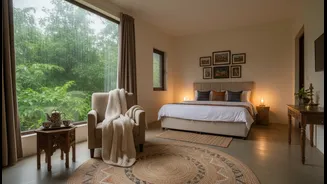



What Exactly is Slow Travel?
Born from the 'slow food' movement, slow travel is a mindset that prioritises connection over checklists. It’s the art of experiencing a place rather than just seeing it. Instead of rushing through a packed itinerary of tourist hotspots, slow travellers
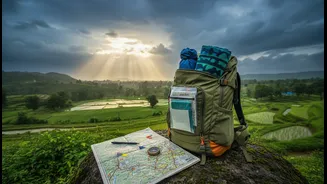
choose to linger in one location, immersing themselves in the local rhythm. This approach encourages forming genuine connections with the local culture, people, and environment. It’s less about the quantity of sights seen and more about the quality of the moments experienced, swapping a frantic pace for a more mindful, relaxed, and ultimately more rewarding journey.
The Monsoon Makeover
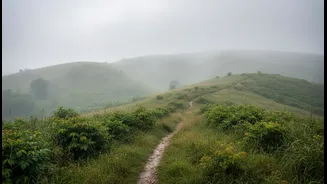
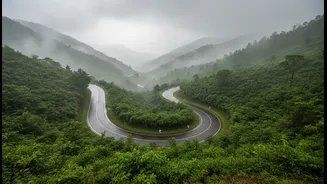
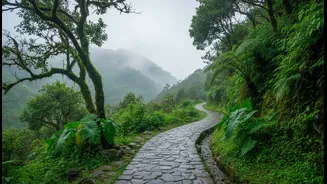
For decades, the monsoon season, typically running from June to September, was considered the off-season for hill stations. But this is precisely why it is perfect for slow travel. The rains transform the mountains into a vibrant, emerald paradise. The air becomes crisp and clean, waterfalls thunder back to life, and the landscape is enveloped in a romantic, misty atmosphere. Perhaps the biggest draw is the lack of crowds. With fewer tourists, popular destinations feel calmer and more intimate, allowing for a level of peace that is impossible during the peak summer and winter seasons. This quieter environment, coupled with lower off-season prices for hotels and homestays, creates the ideal setting for a tranquil retreat.
Beyond the Sightseeing Checklist
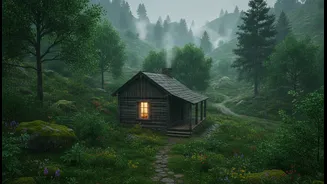
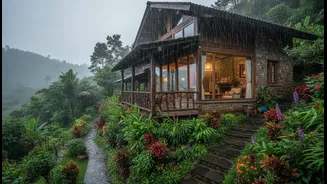
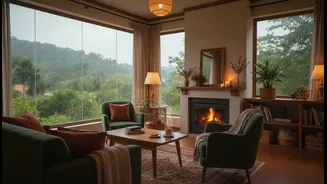
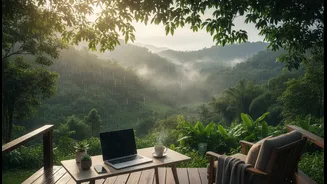
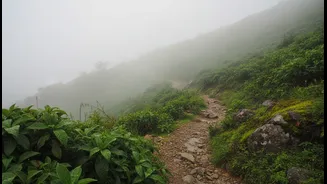
So, what does one do on a slow travel trip in the rainy hills? The answer is beautifully simple: you live. Instead of ticking off viewpoints, you watch the clouds drift across a valley from your balcony. You spend mornings on long, unhurried walks through lush green trails, afternoons reading a book with a cup of hot chai, and evenings enjoying home-cooked local meals. The focus shifts to experiences: learning a few words of the local language, visiting a small village market, or simply listening to the sound of rain on a tin roof. Many travellers are opting for boutique homestays and farm stays, which offer a more authentic connection to the place and its people.
Destinations to Savour Slowly
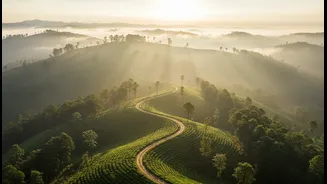
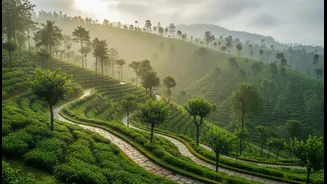
Across India, hill destinations are becoming hubs for this immersive monsoon experience. In the South, the Western Ghats come alive. The rolling tea plantations of Munnar in Kerala and the misty coffee estates of Coorg in Karnataka become intensely green and atmospheric. In the North, while some high-altitude areas are avoided due to landslide risks, places like Mukteshwar and Binsar in Uttarakhand, or Kasauli in Himachal Pradesh, offer cosy, cloud-kissed retreats. Even Shillong in Meghalaya, one of the wettest places on earth, is celebrated for its ethereal monsoon beauty, earning it the nickname 'Scotland of the East'.
A Mindset, Not Just an Itinerary
Ultimately, the rise of monsoon slow travel is about a shift in perspective. It challenges the notion that a holiday must be packed with action to be worthwhile. It suggests that disconnecting from the hustle of city life and reconnecting with nature and oneself is a luxury worth pursuing. The rain is not seen as an inconvenience but as an essential part of the experience—a natural curtain that encourages you to slow down, look inward, and appreciate the simple, quiet beauty of a place. It's about finding joy not in where you go, but in how you are present there.