




The Importance of a Protein-Rich Breakfast
Starting your day with a high-protein meal is one of the best things you can do for your body. Protein is crucial for building and repairing tissues, but its morning benefits go much further. A protein-packed breakfast helps increase satiety, keeping
you feeling full and satisfied for longer. This reduces the urge to snack on less healthy options before lunch. Studies have shown that a high-protein breakfast can help regulate blood sugar levels, preventing the sharp spikes and crashes associated with carbohydrate-heavy meals. This leads to more stable energy levels throughout the morning, improved focus, and better appetite control for the entire day. By making your breakfast work harder for you, you set a positive tone for your daily nutritional goals.
Thalipeeth: The Perfect Protein Canvas
Thalipeeth is an ideal base for this nutritional upgrade. Traditionally made from a blend of flours known as 'bhajani'—often including jowar (sorghum), bajra (pearl millet), rice, wheat, and besan (gram flour)—it is already a good source of fibre and complex carbohydrates. Its savoury, earthy flavour, derived from onions, coriander, and spices, is robust enough to welcome new ingredients without being overpowered. The dough's texture is also very forgiving. Unlike delicate batters, thalipeeth dough easily incorporates additions, making it simple to fold in a nutrient-dense powder without compromising the final product. It’s a traditional favourite that is perfectly poised for a modern, healthy twist.
Your Seed Selection for a Protein Punch
Not all seeds are created equal when it comes to protein. For this purpose, focus on a few key players known for their impressive nutritional profiles. Pumpkin seeds are a great choice, offering around 8.5 grams of protein per 28-gram serving. Sunflower seeds are another excellent option, providing about 7 grams of protein in the same-sized serving, along with healthy fats and vitamin E. Flax seeds contribute about 5 grams of protein and are also celebrated for their high fibre and omega-3 fatty acid content. Chia seeds also provide around 5 grams of protein per serving and are packed with fibre and calcium. Finally, sesame seeds ('til'), an ingredient already found in many thalipeeth recipes, add not just flavour but also nearly 5 grams of protein per 28g serving.
How to Make and Store Your Seed Powder
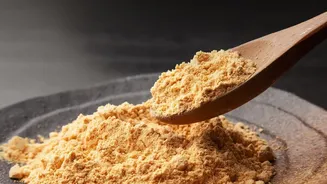
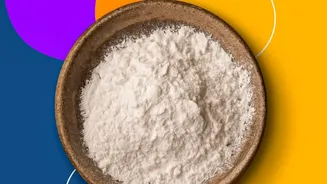
Creating your protein-boosting powder is incredibly simple. You can use a single type of seed or create a more nutritionally diverse blend. A powerful and balanced mix can be made with equal parts pumpkin seeds, sunflower seeds, and flax seeds. For best results, lightly dry-roast the pumpkin and sunflower seeds in a pan over low heat for a few minutes until they are fragrant. This enhances their nutty flavour. Let the seeds cool completely before grinding. Use a spice grinder or a powerful blender to process the seeds—including the unroasted flax seeds—into a fine powder. To avoid turning the seeds into a paste, especially with a blender, grind them in short pulses. Store your homemade seed powder in an airtight container in the refrigerator to maintain its freshness and protect the healthy oils from going rancid. It should last for several weeks.
Incorporating the Powder into Your Batter
Adding the seed powder to your thalipeeth batter is the final, easy step. A good starting point is to add one to two tablespoons of the seed powder for every cup of thalipeeth bhajani or flour mixture you use. Simply mix the powder in with your dry flours and spices before adding water and chopped vegetables to form the dough. Because the seed powder, especially flax and chia, can absorb liquid, you may need to add a little extra water to get the right dough consistency. Knead as you normally would and let the dough rest for about 10-15 minutes. This allows the flours and the seed powder to fully hydrate, resulting in a soft, pliable dough that’s easy to pat out into delicious, protein-enriched flatbreads.