

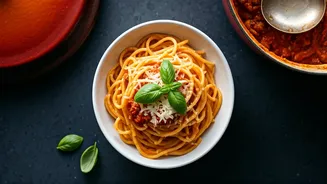

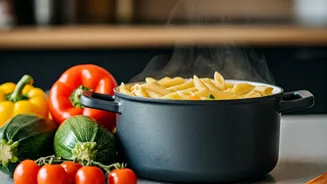


What Exactly Is One-Pot Pasta?
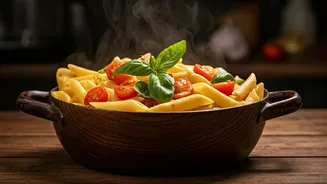
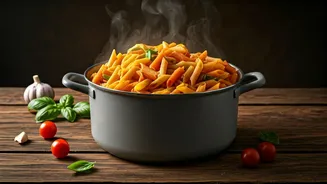
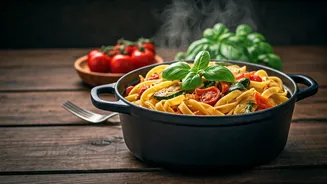
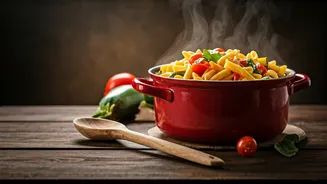
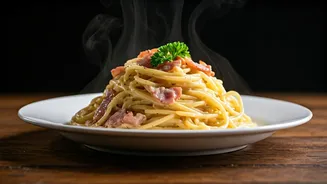
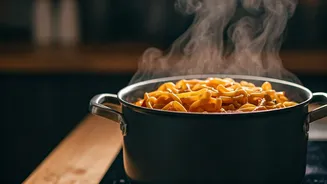
One-pot pasta is a cooking method where all the ingredients—the dry pasta, the liquid, the vegetables, and the aromatics—are cooked together in a single vessel. Instead of boiling pasta in one pot and making a sauce in another, everything simmers together.
As the pasta cooks, it absorbs the flavourful liquid, and the starches it releases help to create a silky, perfectly integrated sauce. Popularized by Martha Stewart in the 2010s, this technique has become a go-to for busy home cooks for its sheer simplicity and delicious results.
The Genius of Less
The most celebrated benefit of one-pot pasta is the minimal cleanup. With only one pot, a cutting board, and a knife, you’re looking at a fraction of the usual post-dinner scrubbing. But the advantages go beyond convenience. Because the pasta cooks directly in its own sauce, it absorbs an incredible amount of flavour. Every noodle is seasoned from the inside out. Nutrients from the vegetables that would typically be lost in discarded pasta water are instead absorbed right into the dish. This method is also incredibly efficient, often delivering a complete meal in 30 minutes or less, making it a true weeknight saviour.
The Basic Formula for Success
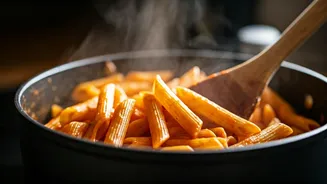
While recipes vary, there's a general principle to follow. The key is the ratio of pasta to liquid. A good starting point is about 4 cups of liquid (like stock or water) for every 8 ounces of dried pasta. Shorter pasta shapes like penne, fusilli, or rotini work especially well. Start by briefly sautéing aromatics like onion and garlic, then add your pasta, liquid, and longer-cooking vegetables. Bring everything to a boil, then reduce to a simmer and cook, stirring frequently, until the pasta is al dente and the liquid has reduced to a saucy consistency, usually about 8-12 minutes.
Avoiding Common Pitfalls
The one-pot method is straightforward, but a few tips can ensure perfection. Stirring is crucial. Because there’s less water than in traditional boiling, the pasta can stick to the bottom of the pot if left unattended. Use a wide, heavy-bottomed pot or Dutch oven to give the ingredients enough space to cook evenly. If your pasta is cooked but the sauce is too watery, simply let it sit off the heat for a few minutes; the pasta will absorb the excess liquid. Conversely, if it seems too dry before the pasta is done, add a splash more hot liquid and continue cooking. Also, be mindful of vegetable cooking times; add quick-cooking greens like spinach toward the end to prevent them from becoming overcooked.
Inspiration for Your Pot
Once you've mastered the basic technique, the possibilities are endless. For a classic Italian-American feel, try a one-pot chicken parmesan pasta, where diced chicken, marinara sauce, and pasta cook together before being topped with mozzarella. A creamy French onion pasta bake or a simple pasta primavera with seasonal vegetables are other fantastic options. You can experiment with different liquids, using chicken or vegetable broth instead of water for more depth. Add-ins like pre-cooked sausage, rotisserie chicken, sun-dried tomatoes, or different cheeses can transform the dish entirely.