





When Water Becomes the Enemy
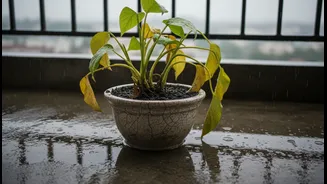
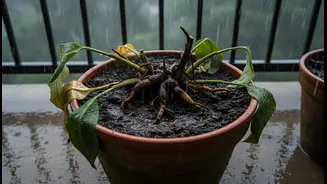
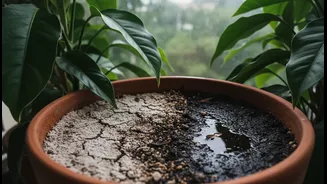
The problem starts when a pot becomes waterlogged. Unlike plants in the ground, balcony plants are confined to containers. When these pots are drenched by continuous, heavy rain, the soil becomes completely saturated. This displaces all the air pockets,
and roots, which need oxygen to function and absorb nutrients, begin to suffocate. This oxygen-deprived state is the primary trigger for decay. Even if the rain stops, compacted or poorly draining soil can remain soggy for days, creating the perfect storm for disaster. A plant can be wilting from thirst even when its soil is wet, because the damaged roots can no longer absorb water.
A Playground for Fungal Pathogens
Saturated, airless soil is a breeding ground for opportunistic water moulds and fungi, such as Phytophthora and Pythium. These pathogens are often dormant in the soil but spring to life in wet conditions. They attack the weakened, suffocating roots, causing them to turn brown, black, and mushy. Once these pathogens take hold, the rot can spread rapidly to healthy roots, effectively destroying the plant's ability to sustain itself. This is why a plant can look fine one day and be on the verge of death shortly after a period of heavy rain.
Why Balcony Tropicals Are So Vulnerable
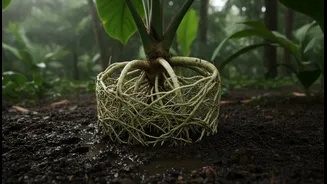
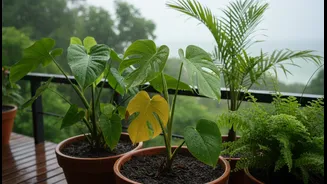
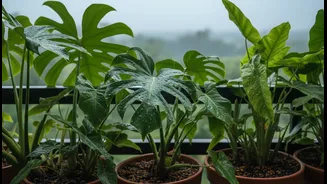
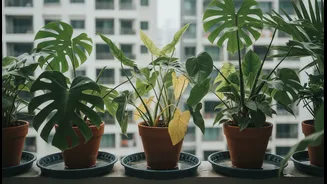
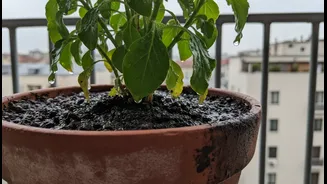
Tropical plants often evolve in rainforests where, despite high rainfall, the soil is loose, airy, and drains almost instantly. Replicating this in a pot is challenging. Balcony containers, especially those with standard potting soil, tend to hold far more water and have less aeration than the forest floor. Furthermore, many decorative pots lack sufficient drainage holes, or the holes become clogged over time. Placing pots directly on the floor can also block drainage. This combination of a confined environment, moisture-retentive soil, and inadequate drainage makes potted tropicals exceptionally susceptible to root rot during prolonged downpours.
Prevention Is Your Best Defence
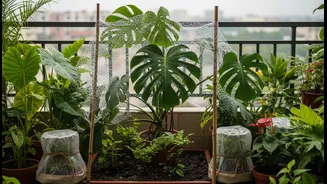
The best way to combat root rot is to prevent it from ever starting. First, ensure every pot has multiple drainage holes. Elevating pots on feet or bricks can dramatically improve water flow. Second, use the right soil mix. Avoid heavy garden soil. Instead, create or buy a chunky, well-aerating mix containing ingredients like coco coir, perlite, and orchid bark, which mimics their natural environment. Before the rainy season, it's wise to check that drainage holes are clear and even repot plants from compacted soil into a fresh, suitable mix. Finally, adjust your habits. During monsoon season, always check the soil moisture an inch or two down before watering; don't just stick to a schedule.
Emergency Steps to Save Your Plant
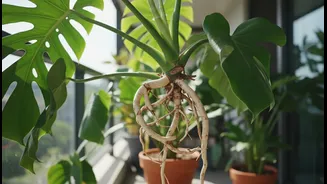
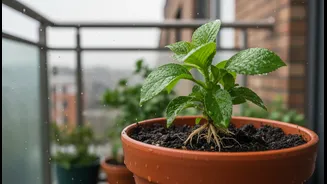
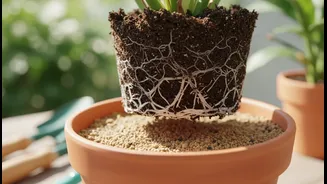
If you suspect root rot—look for yellowing leaves, wilting despite wet soil, and a bad smell—you must act fast. Gently remove the plant from its pot and wash the soil from the roots. Using clean, sterilised scissors, trim away any roots that are brown, black, soft, or mushy. Healthy roots are typically firm and white or light-coloured. If you have to remove a lot of roots, prune some of the foliage as well to reduce stress on the remaining root system. You can rinse the healthy roots with a diluted hydrogen peroxide solution (one part 3% peroxide to two or three parts water) to kill any lingering fungal spores. Repot the plant in a clean pot with fresh, well-draining soil. Water it sparingly and place it in a spot with bright, indirect light until it shows signs of recovery.