





A Strategic Invitation to Adventure
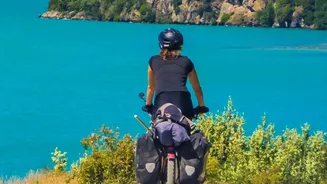
The push to attract motorcycle travellers is a deliberate strategy by the Parvathipuram Manyam district administration. The goal is twofold: to showcase the region's immense, largely untapped tourism potential and to create sustainable livelihood opportunities
for local tribal communities. District Collector Prabhakar Reddy has initiated a plan to develop dedicated 'bike tourism' circuits, recognising that the area's winding ghat roads and hilly terrain are already a draw for self-riding enthusiasts. The administration is identifying 30-kilometre stretches that package waterfalls, scenic viewpoints, and safe overnight facilities into manageable routes. This initiative builds on the success of a pilot tribal bike taxi service, where local Adivasi youth ferry visitors to remote waterfalls, a service that received a warm response from tourists. By formalising this appeal to bikers, the district aims to generate revenue and employment while preserving its natural and cultural heritage.
The Allure of the 'Fortress of Waterfalls'
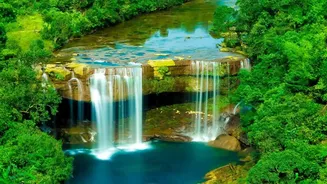
The district is positioning itself as the 'Home of Waterfalls', and for good reason. Authorities have identified and started developing infrastructure for at least 16 distinct waterfalls that were previously hard to access. The result has been a dramatic surge in visitors, with officials reporting three lakh tourists in just three months, transforming the local economy. Key attractions include the Moganali Waterfall at Tadikonda, which now boasts amenities like food stalls, swimming areas, and plans for adventure sports like rope-assisted climbing. Another jewel is the Lodda Waterfall in Salur mandal, which cascades down nearly 100 feet amid lush greenery, drawing crowds from across Andhra Pradesh and neighbouring Odisha. Other rising stars include Neelamvalasa Waterfall in Pachipenta mandal and the falls at Sikhaparuvu, each offering a unique, serene environment for nature lovers and adventure travellers.
Riding Through Pristine Forests
The journey is as important as the destination, and Manyam's forests provide a breathtaking backdrop for any rider. The routes to these waterfalls wind through dense greenery and hilly landscapes, offering the kind of challenging and scenic ride that bikers crave. The administration’s plan involves creating clearly marked and safe riding routes through these forests, connecting the dots between natural attractions. Efforts are also being made to ensure these tourism activities are sustainable. Officials are promoting plastic-free zones to safeguard the delicate ecosystem. This focus on eco-tourism is a core part of the strategy, ensuring that the natural beauty that attracts visitors is preserved for years to come. Local Adivasi communities have been actively involved, helping to clear paths and build small-scale infrastructure like bamboo bridges, often using their traditional knowledge.
The Rider’s Guide to Manyam
For those ready to answer the call, some practical planning is essential. The district administration is working to improve infrastructure, but many areas remain remote. The best time to visit is typically during and after the monsoon season, when the waterfalls are at their most spectacular. Riders should be prepared for varied road conditions, from smooth ghat roads to more rugged, unpaved paths leading to the waterfalls themselves. To enhance the experience, authorities are installing QR code boards at major junctions to provide instant information about each site. Accommodation options are also being developed, including plans for camping tents and rest shelters. For now, it's wise to plan stays in the main towns of the four assembly constituencies: Parvathipuram, Kurupam, Salur, and Palakonda, which are being used as bases for the tourism circuits. Local tribal youth are also being trained as guides, offering invaluable local knowledge and ensuring visitor safety.