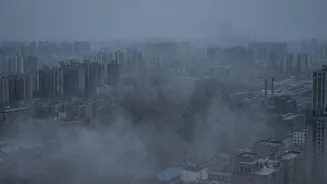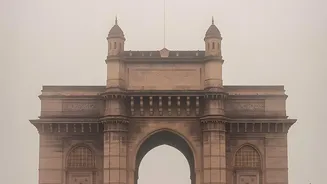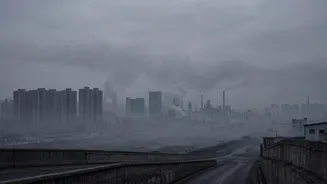




A City Under Siege by 'Very Poor' Air
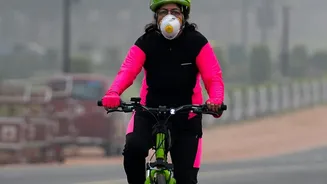
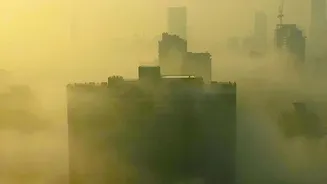
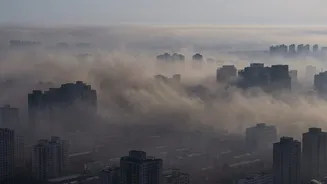
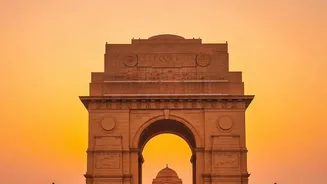
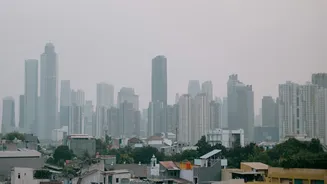
This year is no exception to the grim winter ritual. On November 12, 2026, Delhi's overall Air Quality Index (AQI) settled in the 'very poor' category at 323, with some monitoring stations recording 'severe' levels above 400. This comes after a brief
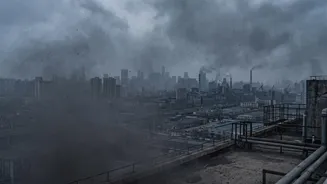
respite, with pollution levels climbing steadily since Diwali. An analysis by the Centre for Science and Environment (CSE) revealed that the average concentration of PM2.5—tiny, harmful particles that can lodge deep in the lungs—in the week before Diwali was the highest in three years. These particles are so small they can enter the bloodstream, impacting nearly every organ in the body. While stubble burning in neighbouring states is a known contributor, recent data shows that even when its share decreases, Delhi's pollution remains severe, driven by local sources like vehicular emissions and regional pollution drift.
The Silent Public Health Emergency
The health consequences of breathing this toxic air are staggering and go far beyond the expected coughing and throat irritation. Doctors report a surge in patients with respiratory distress, affecting not just those with pre-existing conditions but also healthy young people. However, the damage is more insidious. A growing body of research from 2026 links long-term exposure to PM2.5 with alarming neurological effects. Studies have found associations with accelerated brain ageing, a higher risk of dementia, and even structural changes in the brain. For children, the risks are particularly acute. Their developing brains are more vulnerable, with studies suggesting links between PM2.5 exposure and lower IQ scores, attention deficits, and learning difficulties. The consistent exposure to toxic air is effectively creating a public health crisis that could impact a whole generation's cognitive health and reduce life expectancy by several years.
The Choking Economy
The pervasive smog isn't just a health hazard; it's an economic burden. The impact is felt across multiple sectors as severe pollution disrupts daily life and commerce. When air quality plummets, consumer footfall in markets drops, affecting the retail and restaurant industries. The recurring bans on construction activities halt projects, creating a ripple effect that hits developers, suppliers, and daily wage labourers. Transport restrictions designed to curb pollution often disrupt supply chains, increasing operational costs for businesses. A 2026 report estimated that air pollution cost Indian businesses approximately $95 billion annually, or 3% of the country's GDP, through lost productivity, premature mortality, and lower consumer footfall. Another study noted that output lost to premature deaths and illness from air pollution was equivalent to 1.36% of India's GDP in 2019 alone. This makes clear that polluted air is a direct tax on the economy, hindering growth and productivity.
Searching for a Breath of Fresh Air
For years, authorities have relied on the Graded Response Action Plan (GRAP), an emergency framework that rolls out stricter measures as the AQI worsens. These include banning certain vehicles, halting construction, and closing schools. On November 6, Stage III of GRAP was invoked across the NCR. However, many experts argue these are short term, reactive measures that fail to address the root causes of pollution. A recent analysis found no consistent improvement in Delhi's winter air quality over the past four years, highlighting the limitations of an emergency only approach. The consensus is growing that year round, sustained action is needed. This includes a fundamental shift towards cleaner transport, strict enforcement of industrial emission standards, providing farmers with viable alternatives to stubble burning, and better regional coordination between states to manage the 'airshed' as a whole.