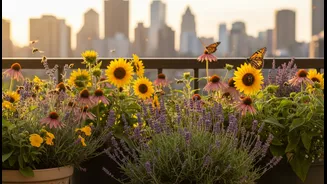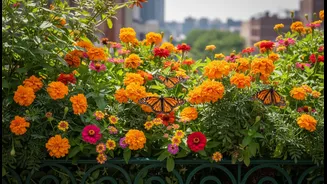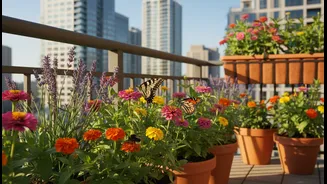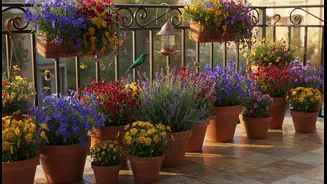



Understanding a Butterfly's Needs
Creating a butterfly-friendly space is about providing two key things: food and a place to raise their young. Butterflies visit gardens for nectar-rich flowers which provide food for the adults, and for host plants where they can lay their eggs. Caterpillars,
the larval stage of butterflies, are often very specific about the leaves they eat. To have a thriving butterfly corner, you need a combination of both types of plants. A successful butterfly garden supports their entire life cycle, ensuring they not only visit for a meal but also stay to reproduce.
Nectar Plants: The Adult Buffet
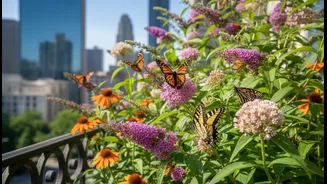
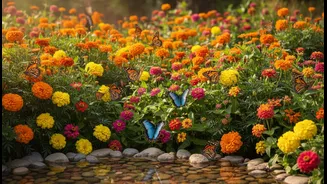
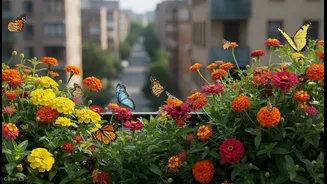
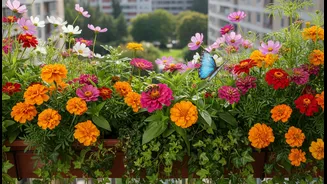
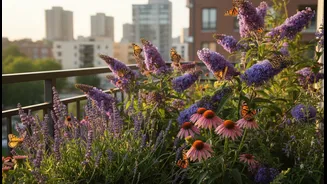
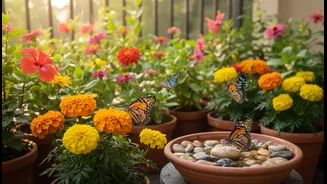
Nectar provides butterflies with the energy they need to fly and reproduce. Choosing flowers with bright colours and strong scents is a great way to attract them. For Indian balconies, several hardy options thrive in pots. Lantana is a low-maintenance plant that blooms for long periods and is a magnet for butterflies. Similarly, the fiery, star-shaped clusters of Ixora are irresistible to many species. Marigolds, with their cheerful yellow and orange blooms, and Zinnias also serve as excellent nectar sources. Even the humble Tulsi (Holy Basil) provides tiny flowers that butterflies love. Grouping plants with similar colours together can make it easier for butterflies to spot them from afar.
Host Plants: A Nursery for Caterpillars
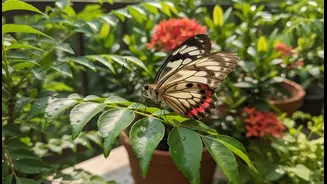
While nectar plants attract visiting adults, host plants convince them to stay and create the next generation. Without host plants, butterflies will simply move on after feeding. Different butterfly species are drawn to specific plants. For example, the vibrant Common Mormon and Lime butterflies lay their eggs on citrus plants like the lemon tree, or on curry leaf plants. These are easy to grow in balcony pots. Milkweed (Asclepias) is the exclusive host plant for Monarch butterflies and is essential for their survival. Passion flower vines are another beautiful option that hosts species like the Gulf Fritillary. Seeing caterpillars munching on leaves means your garden is a success, so be prepared to tolerate some chewed foliage!
Setting Up Your Balcony Haven
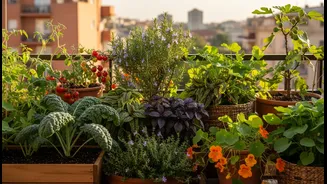
Even with limited space, you can create a welcoming environment. Choose large pots to give plant roots more room and better insulation from heat. While terracotta pots are attractive, plastic pots retain moisture better, which is crucial on hot days. Ensure every container has drainage holes to prevent waterlogging. Use a high-quality, lightweight potting mix rather than heavy garden soil. Butterflies love to bask in the sun to warm their bodies for flight, so a sunny spot is ideal for both them and most flowering plants. Grouping your pots together can create a mini-ecosystem that retains humidity and provides shelter.
Beyond Plants: Extra Amenities
To make your balcony even more inviting, consider adding a few extra features. A shallow dish filled with sand and kept consistently moist can create a 'mud-puddling' station. Butterflies, especially males, gather at these spots to sip nutrient-rich water. You can also place a few flat stones in sunny spots; butterflies will use them as a place to rest and soak up the warmth. Some butterfly species are also attracted to the sugars in overripe fruit. Leaving out a few slices of banana, pineapple or orange can be a welcome treat.
Go Organic: A Chemical-Free Zone
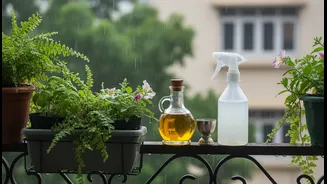
This is a non-negotiable rule for a butterfly garden: absolutely no chemical pesticides or fertilizers. These chemicals are toxic not only to pests but also to butterflies, caterpillars, and other beneficial insects like bees. An insecticide that kills an aphid will also kill a caterpillar. If you face pest issues, opt for natural remedies. A simple spray made from neem oil mixed with water and a drop of mild liquid soap is effective against many common pests and is non-toxic to wildlife. A healthy, organic garden fosters a balanced ecosystem where beneficial insects can help keep pests in check.