



From Pantry Staples to Gourmet Statements
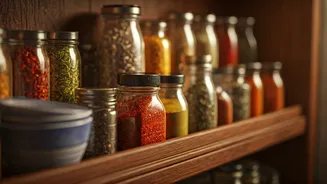
For generations, the Indian kitchen has been the heart of the home, a place of nourishment and tradition. The humble masala dabba, a fixture in every household, held the keys to daily meals. But something has shifted. That spice box is no longer just
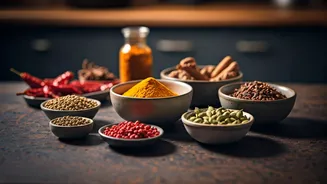
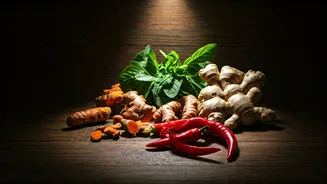
for utility; it’s a curated collection. The generic garam masala blend bought from a store is being pushed aside for home-roasted, hand-pounded powders. Supermarket turmeric is being replaced by aromatic, high-curcumin Lakadong turmeric sourced directly from Meghalaya. This isn't just about better cooking; it's a declaration. It says, “I care about origins, I understand terroir, and I have the taste to prove it.” The ingredients themselves have become status symbols, transforming everyday cooking into an act of connoisseurship.
The Social Media Stage
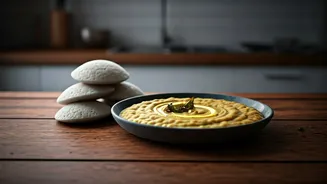
A huge driver of this trend is the visual, aspirational world of social media. A decade ago, culinary achievements were shared only with family and dinner guests. Now, a perfectly fermented dosa batter, a bubbling pot of black carrot kanji, or a vibrant jar of pickled Bhut Jolokia chillies is premium content for Instagram Reels and YouTube Shorts. Food bloggers and home cooks have become micro-influencers, showcasing not just the final dish but the intricate, often laborious, process. This has created a new kind of social currency. The “flex” is no longer just about eating at a fancy restaurant; it's about proving you can replicate and even innovate on complex culinary ideas in your own kitchen. It’s a performance of skill, patience, and cultural fluency, broadcast to an appreciative digital audience.
Reclaiming Regional Roots
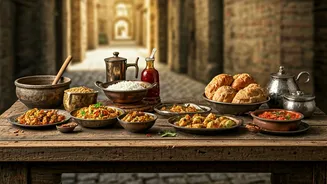
Perhaps the most exciting part of this movement is the deep dive into India’s vast and varied regional cuisines. For too long, “Indian food” to the outside world—and sometimes even within India—was stereotyped as a handful of North Indian dishes. The new kitchen flex is about championing hyper-local flavours that were previously confined to specific communities or regions. Home cooks are experimenting with kasundi, the pungent mustard sauce from Bengal, and using Kodampuli, the souring agent from Kerala, in more than just fish curries. There's a newfound appreciation for forgotten greens, indigenous grains like millet and amaranth, and unique ingredients like Bandel cheese. This exploration is a powerful act of reclaiming cultural identity, celebrating the diversity that makes Indian food endlessly fascinating. It’s about knowing your roots and wearing that knowledge as a badge of honour.
Beyond the Spice Rack
The flex extends far beyond just exotic spices. It’s about mastering techniques that require time and understanding. Fermentation, once seen as an old-fashioned necessity for preservation, is now a trendy science project. Making gut-friendly pickles, kombucha with Indian flavours like jamun or hibiscus, and sourdough bread with local flours are all part of the modern cook’s repertoire. Similarly, there's a renewed interest in traditional cooking methods and vessels. The steady, even heat of a cast iron kadai, the earthy aroma imparted by a clay pot, or the smoky finish from a charcoal grill are all being embraced. These methods require a different kind of skill—a tactile, intuitive knowledge that can’t be replicated by a button on a microwave. Mastering them is a testament to a cook’s dedication and depth of knowledge.