

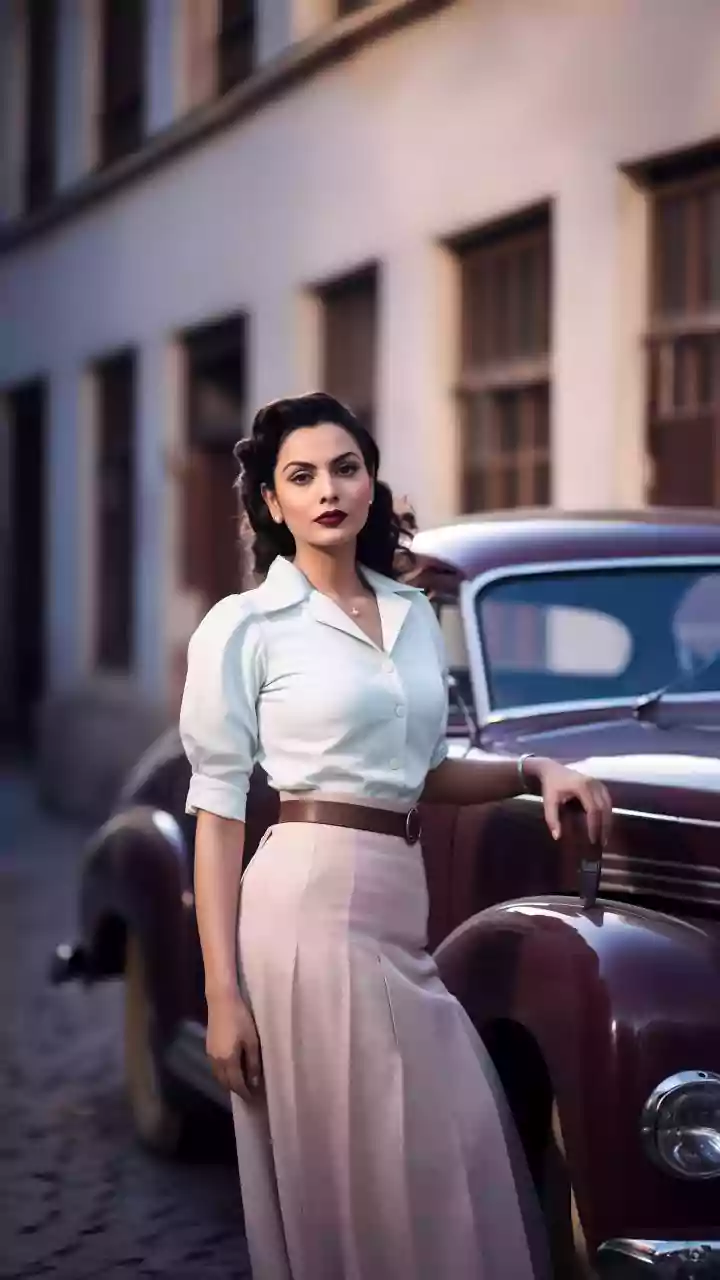


A pocket is a simple feature, but its location is a complex decision. Where a designer places a pocket defines a garment's comfort, utility, and even its posture, turning a small detail into a major factor for everyday practicality.
More Than Just a Pouch
For much of history,
pockets weren't part of clothing at all. People used separate pouches or bags tied to a belt to carry essentials. In the 17th century, a divergence occurred: tailors began sewing pockets directly into men's breeches, waistcoats, and coats, offering convenience and privacy. For women, however, the solution remained separate 'tie-on' pockets worn under skirts, accessible through a slit. This historical divide set the stage for a long-standing disparity in clothing design, where men's garments prioritized integrated utility, while women's fashion often focused on silhouette, sometimes at the expense of function.
The Ergonomics of Easy Access
The practicality of a pocket is fundamentally an ergonomic decision. A pocket is only useful if the wearer can access it comfortably and naturally while performing daily activities. The angle of an opening, for instance, dramatically affects how easily the hand can enter. Slanted pockets on trousers or coats are popular because they align with the body's natural movements. In contrast, a pocket positioned too high, too far back, or at an awkward angle can feel useless, regardless of its size. Designers must consider not just the garment on a hanger, but the body in motion. In workwear, this is even more critical, where pocket placement can impact safety by reducing snag risks around machinery.
A Question of Silhouette and Style
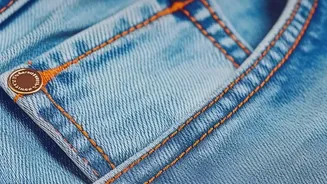
Beyond pure function, pocket placement is a powerful tool for shaping a garment's visual line. Pockets draw horizontal lines across the body, influencing proportion. A pocket placed low on a coat can visually shorten the legs, while a higher placement can create the illusion of length. The type of pocket also sends a strong stylistic message. A patch pocket, stitched onto the surface, often signals a casual or utilitarian feel, common in shirts and workwear. A welt or side-seam pocket, which is nearly invisible, maintains a clean, streamlined silhouette ideal for formal or minimalist designs. The very presence or absence of a pocket can change an outfit's register from relaxed to formal.
The Great Gender Divide
The disparity in pocket functionality between menswear and womenswear remains a contentious issue. Historically, as women's fashion trended towards slimmer silhouettes in the late 18th and 19th centuries, the space for internal pockets vanished, giving rise to the handbag. Christian Dior famously remarked, 'Men have pockets to keep things in, women for decoration'. This philosophy has persisted, with many women's garments featuring tiny, non-functional, or entirely fake pockets to preserve a smooth line. A 2018 study found that on average, pockets in women's jeans were 48% shorter and 6.5% narrower than in men's. This design choice forces a reliance on bags and has been criticized as a holdover from outdated social norms about gender roles.
Designing for Real Life
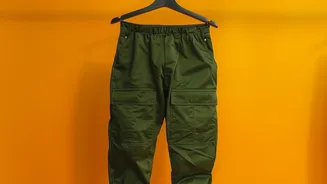
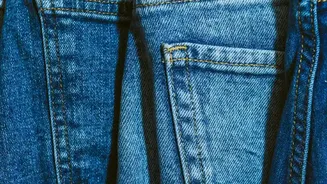
Ultimately, a good pocket is designed with its intended use in mind. Cargo pockets add bulk and volume, turning storage into a key design feature. The pockets on a pair of work trousers need to be durable and placed to avoid interfering with movement or comfort when seated. An outerwear pocket should be large enough to accommodate a gloved hand. The material is also crucial; a pocket in heavy denim can support a phone, but the same pocket in a lightweight linen dress might sag and distort the garment's drape unless properly reinforced. A truly practical garment is one where the designer has considered not just what the pocket looks like, but what it's expected to hold and how it will be used.