






Understanding the Basics: Purity and Karats
The term 'karat' (K) is a measure of gold's purity on a scale of 0 to 24. In this system, 24K gold represents the purest form you can buy, containing 99.9% gold. Because of its high purity, it is very soft and malleable, making it prone to scratches and bending.
On the other hand, 22K gold is an alloy. It consists of 22 parts gold and two parts of other metals like copper, silver, or zinc. This brings its purity to 91.67%, often stamped with a '916' hallmark. This blend of metals gives 22K gold the necessary strength and durability that pure gold lacks.
The Durability Dilemma: Jewellery's Best Friend
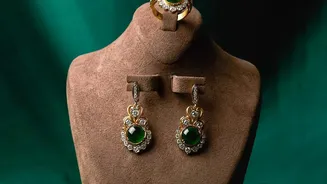
If your goal is to buy wearable ornaments, especially for daily use, 22K gold is the undisputed winner. Its superior hardness ensures that intricate designs, clasps, and stone settings remain intact over time. Pure 24K gold is simply too soft to withstand the rigours of daily wear and is generally not recommended for jewellery, as it can deform easily. This is why most traditional and bridal jewellery in India is crafted from 22K gold, offering a perfect balance between high purity and practical durability. While 24K gold possesses a richer, more vibrant yellow hue, 22K gold's appearance is nearly as lustrous and is the standard for creating lasting pieces.
The Investment Case: Maximising Value
When purchasing gold purely as an investment, 24K is the superior choice. Its value is tied directly to its 99.9% purity, which means it commands the highest price per gram. Investment gold is typically sold in the form of coins or bars, which have minimal associated costs beyond the price of the gold itself. In contrast, 22K gold jewellery comes with significant making charges. These charges, which can range from 5% to over 25% of the gold's value, cover the labour and design of the piece. Crucially, these making charges are almost never recovered upon resale. When you sell jewellery, the buyer typically only pays for the net weight of the pure gold after melting it down, meaning you lose the entire amount paid for craftsmanship.
Decoding Resale Value
The resale value of 24K gold is more straightforward. Since it's valued for its purity, you're likely to receive a price close to the prevailing market rate for gold when you sell it. Selling 22K jewellery is more complex. The final value is determined after deducting not just making charges but also potential wastage fees. While 22K gold is highly liquid, especially in markets like India, you are fundamentally selling it as a raw material, not as a finished product. Therefore, from a strict financial returns perspective, 24K gold coins and bars consistently offer better resale value than 22K ornaments.
Checking for Authenticity: The BIS Hallmark
Regardless of your choice, always ensure your gold is BIS hallmarked. The Bureau of Indian Standards (BIS) hallmark is a government-certified guarantee of purity. Since June 2021, hallmarking for 14K, 18K, and 22K gold jewellery has been mandatory in India. A genuine hallmark will include the BIS logo, the purity grade (e.g., '22K916'), and a unique six-digit alphanumeric HUID (Hallmark Unique Identification) number. This ensures you are protected from being sold lower-purity gold and guarantees the authenticity of your purchase.
Beyond Physical: Other Gold Investments
For those focused solely on investment without the hassle of physical storage, modern alternatives exist. Options like Sovereign Gold Bonds (SGBs), Gold Exchange Traded Funds (ETFs), and Digital Gold offer exposure to 24K gold prices without concerns about making charges or purity checks. SGBs, issued by the RBI, even offer an annual interest payment, making them a highly efficient way to invest in gold. These instruments are regulated, easy to trade, and eliminate the risks associated with storing physical gold.