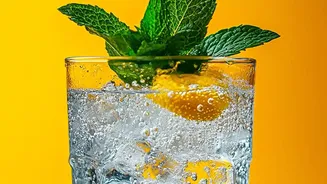

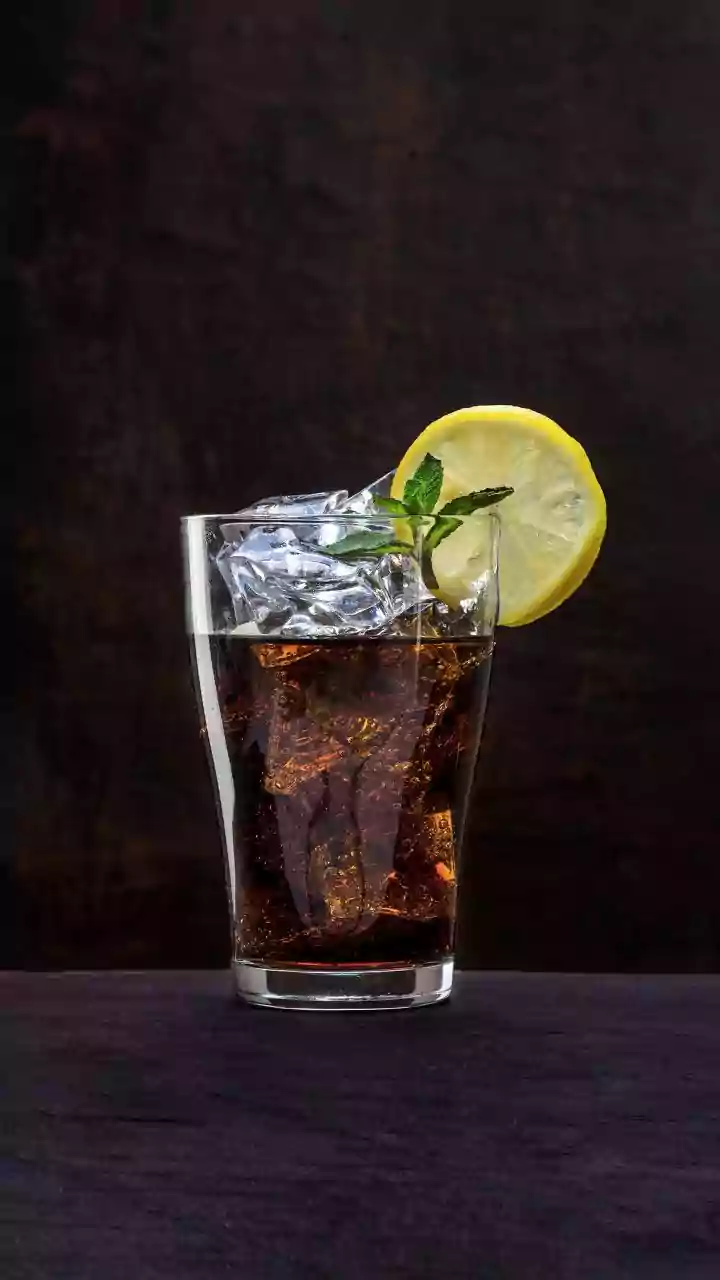



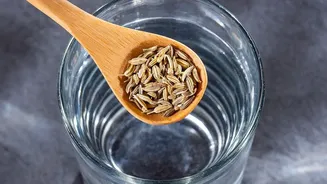

For years in India, a cold drink simply meant a cola. But that is changing, thanks to a humble spice from every Indian kitchen: jeera. Cumin-flavoured sodas are now one of the fastest-growing beverages, challenging the old guard.
The Spice That Defines Indian flavour
Before it was a fizzy
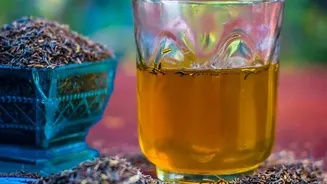
drink, jeera, or cumin, was the aromatic heart of Indian cooking. Its Sanskrit name, 'jiraka', means ‘that which helps digestion’, a clue to its long-standing role in both cuisine and traditional wellness. For thousands of years, this earthy, nutty spice has been essential, forming the base of countless tadkas, masalas, and marinades. Cumin is considered one of 'The Big Four' of Indian spices, and its warm, savoury depth is a foundational note in dishes from every corner of the country. This deep cultural connection and familiar taste profile have paved the way for its surprising new role as a beverage superstar.
From Street-Side Stalls to Bottled Success
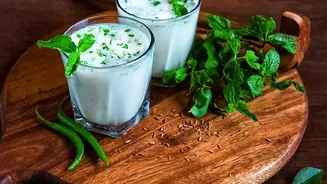
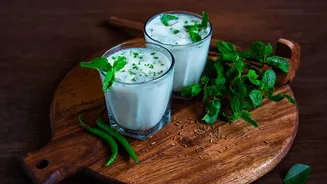
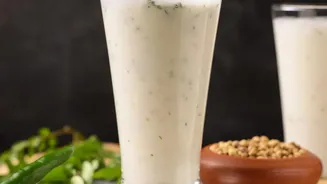
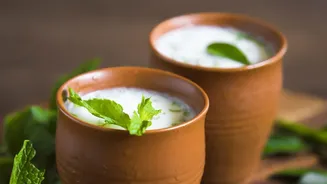
The idea of a jeera-based drink isn't new. For generations, street-side stalls have served fresh, tangy jeera drinks, often known as jaljeera or shikanji, as a popular antidote to the summer heat and a digestive aid after a heavy meal. However, the market was fragmented, with no major brand capturing this distinctly Indian flavour in a bottle. That began to change as homegrown companies recognised a shared nostalgia and a gap in the market. Brands like House of Bindu, which introduced a cumin soda nearly 25 years ago, initially saw flat sales but are now experiencing exponential growth. It is now the fastest-growing category among carbonated beverages.
A 'Chatpata' Challenge to Global Colas
The success of jeera soda lies in its complex flavour, often described with the uniquely Indian term 'chatpata'. It is a compelling blend of sweet, salty, tangy, and spicy notes that provides a stark contrast to the monolithic sweetness of traditional colas. This flavour profile pairs exceptionally well with Indian snacks and meals, enhancing the dining experience rather than just offering sugary refreshment. The rise of brands like Lahori Zeera, which started from a kitchen experiment in Punjab, shows just how ready the market was for an 'Apna Desi Thanda' or 'India's own cold drink'. These ethnic beverages have now collectively doubled their market share to around 15%, significantly cutting into the dominance of global giants.
Perceived Wellness in a Bottle
Beyond its taste, jeera soda's appeal is bolstered by the perceived health benefits of its star ingredient. Cumin has been used in Ayurveda for centuries to improve digestion, reduce bloating, and calm the stomach. Many consumers reach for a jeera soda after a heavy meal, believing it to be a functional beverage that can help settle the stomach. While a carbonated soft drink is not a health food, this association with wellness gives it an edge over other sugary sodas that are often seen as 'empty calories'. Tapping into this, some brands have even launched zero-sugar versions to appeal to health-conscious consumers.
The New Mainstream
What started as a niche flavour has now exploded into a crowded and competitive field. Following the success of pioneers like Xotik Frujus's Jeeru and Bindu Fizz Jeera Masala, major players have entered the fray. Mukesh Ambani-owned Campa Cola has Campa Jeera, and Parle Agro has taken its brand Dhishoom nationwide. Even Coca-Cola, which had acquired and discontinued the original jeera soda RimZim in the 1990s, is re-entering the category. The growth has been phenomenal, with some brands struggling to meet demand despite doubling production capacity. This fizzy revolution shows a powerful shift in consumer preference toward authentic, homegrown tastes.