





Master the One-Bag System
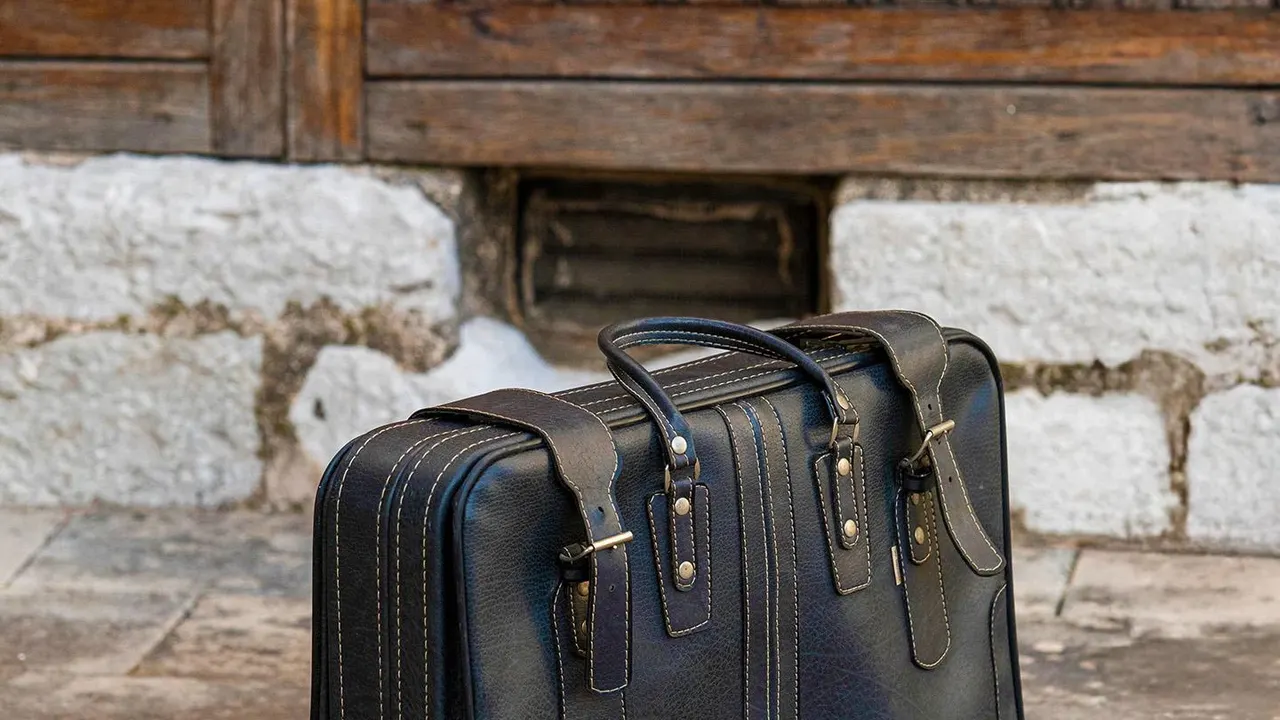
The key to a stress-free bus trip is a two-bag system: one main piece of luggage that goes into the hold, and a smaller carry-on that stays with you. For your main bag, choose a durable backpack or a soft duffel bag over a hard-shell suitcase. They are
more forgiving in tight luggage compartments. Inside, use packing cubes to compartmentalise clothes, which saves space and keeps you organised. Roll your clothes instead of folding them; it minimises wrinkles and allows you to fit more in. Remember, this bag is inaccessible during the journey, so it should only contain items needed at your destination.
Your In-Transit Essentials Pouch
Your smaller carry-on bag is your lifeline for the entire journey. This bag should contain everything you need for comfort and safety. Key items include a fully charged power bank, as onboard charging points can be unreliable. Keep your phone, wallet, and any identification in a secure, easily accessible part of this bag. Also include a small hygiene kit with wet wipes, hand sanitiser, a toothbrush, and any essential medications. Having these items with you means you won't have to rummage through your main luggage or depend on the limited supplies at rest stops.
Create a Cocoon of Comfort
Sleep on a moving bus is possible, but it requires creating the right environment. AC buses can get surprisingly cold, especially overnight, so dressing in comfortable layers is crucial. A light jacket, hoodie, or a shawl will make a huge difference. An eye mask is essential for blocking out cabin lights and headlights from outside. To combat noise from the road or fellow passengers, a pair of earplugs or noise-cancelling headphones is invaluable. Finally, a neck pillow provides crucial support and prevents you from waking up with a stiff neck. Some regular travellers also prefer to bring their own clean, lightweight blanket or a sleeping bag liner for hygiene and comfort.
Prioritise Your Safety and Security
Travelling safely is largely about awareness and simple precautions. Always keep your small, valuable-filled bag on your person, especially while you sleep. Never leave it on the berth unattended when you step out at a rest stop. Consider using a small lock for your main luggage in the hold. Before you leave, share your journey details, including the bus operator and expected arrival time, with a family member or friend. When the bus stops, be mindful of your surroundings and stick close to the bus, as breaks are often short. Choosing a reputable bus operator with good reviews is the first step towards a safer journey.
Plan Your Onboard Food and Hydration
While most long-haul buses make stops for dinner, the timing and quality can be unpredictable. It's wise to pack your own light, non-messy snacks like nuts, dried fruit, or biscuits. This ensures you have something to eat if a stop is delayed or the options are unappealing. Carry a reusable water bottle that you can fill up before you board; staying hydrated is important, but you don't want to rely solely on buying bottles at stops. Avoid heavy or fried foods right before or during the journey, as they can lead to discomfort on a moving vehicle.