





The Allure of Ziro Valley
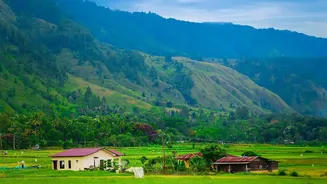
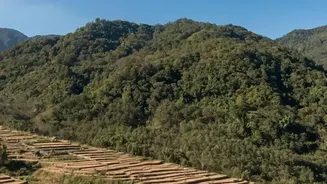
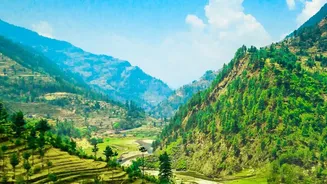
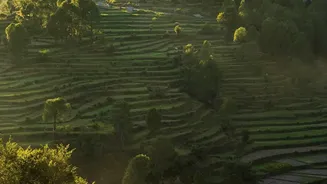
Ziro Valley is a world apart. This high-altitude plateau, a nominee for the UNESCO World Heritage list, is famed for its breathtaking scenery of mist-laden hills, sprawling rice paddies, and dense pine forests. But its true essence lies with the Apatani
people, an indigenous community renowned for their deep connection to nature. For centuries, they have practiced a unique and highly sustainable form of agriculture, cultivating rice and rearing fish together in the same paddies without using machines or farm animals. This harmonious existence, combined with their vibrant culture and festivals like Myoko and Dree, makes Ziro a powerful draw for those seeking authenticity over a typical vacation. It offers a rare glimpse into a living cultural landscape where humanity and nature exist in a delicate, time-honoured balance.
A New Wave of Conscious Travellers
The profile of the visitor to Ziro is changing. While the world-famous Ziro Festival of Music has long attracted a young crowd, there's a growing movement of travellers visiting year-round. These are not just tourists, but explorers who prioritise meaningful experiences over ticking off a checklist. They are drawn to Ziro's ethos of slow, sustainable living. This trend reflects a broader shift in youth travel, where authenticity, cultural immersion, and environmental responsibility are becoming the new markers of a successful trip. Instead of insulating themselves in resorts, these travellers are actively choosing to engage with the Apatani way of life, seeking a deeper connection to the place and its people.
The Homestay Advantage
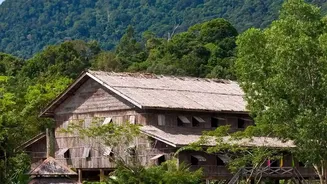
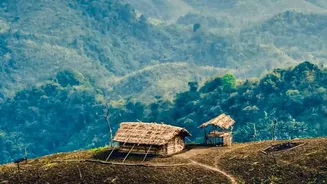
The cornerstone of this new travel movement is the homestay. Opting for a homestay in one of Ziro’s traditional villages like Hong, Hija or Hari offers an experience that a hotel simply cannot match. These eco-friendly cottages, often built with local bamboo, place you right in the heart of the community. Travellers share meals with their Apatani hosts, often cooked with organic ingredients from the garden, and sip on the local rice brew, Apong, by a central fireplace. This choice is not just about accommodation; it's a direct investment in the local economy. It ensures that tourism benefits the families who are the custodians of Ziro's unique heritage, fostering a respectful exchange that enriches both the visitor and the host.
Demystifying the Inner Line Permit (ILP)
Arunachal Pradesh is a protected state, and entry requires a special permit for all non-residents, including Indian citizens. This is called the Inner Line Permit (ILP). While it sounds daunting, the process has been streamlined and is now surprisingly straightforward. Indian tourists can apply for an e-ILP online through the official government portal. You will need a digital copy of a recent photograph and a valid ID like an Aadhaar card or passport. The application requires you to specify your travel dates and the districts you plan to visit, so make sure to list Lower Subansiri for Ziro. The fee is nominal, and approvals are often granted within a few working days, sometimes even the same day. Always apply through the official portals like eilp.arunachal.gov.in to avoid paying extra to third-party agents.
Tips for Responsible Travel in Ziro
Visiting Ziro responsibly goes beyond just booking a homestay. The valley's ecosystem is fragile, and its culture is precious. Visitors should make a conscious effort to minimise their environmental footprint by avoiding single-use plastics and carrying their waste out if possible. When visiting villages, it's respectful to hire a local guide who can navigate cultural nuances and ensure your interactions are welcome. Always ask for permission before taking photographs of people, especially elders. Support local artisans by buying their intricate handloom and bamboo crafts directly. By being mindful, travellers can ensure that Ziro remains a pristine sanctuary for generations to come, leaving a positive impact that preserves the very beauty they came to admire.