



The Surprising Power in the Peel
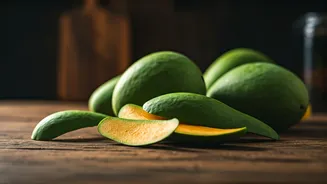
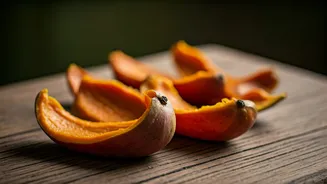
We love mangoes for their sweet, juicy flesh, but the skin is often overlooked. Mango peels are a powerhouse of nutrients. [1] They are packed with dietary fibre, which is excellent for digestive health. [10] They also contain a wealth of vitamins, including
A and C, along with powerful antioxidants like polyphenols and carotenoids. [3, 6] These compounds help protect the body against cellular damage. In fact, studies have shown that the concentration of some of these beneficial compounds is even higher in the peel than in the pulp. [12] By throwing away the skin, we are discarding a significant source of nutrition that our ancestors, through practices like making pickles, knew how to use. [9]
A Note on Safety and Preparation
Before you start saving your peels, it is crucial to address safety. Mango skins can have pesticide residues on their surface. [2] Therefore, it is essential to wash them thoroughly. Soaking the mangoes in a solution of water and salt, vinegar, or baking soda for 15-20 minutes before rinsing can help remove a significant amount of these residues. [2, 8] It is also worth noting that mangoes belong to the same plant family as poison ivy and contain a compound called urushiol, primarily in the skin. [15, 19] While the concentration is very low, people who are highly sensitive to poison ivy might experience a mild allergic reaction. [16, 20] If you have a known sensitivity, it is best to avoid consuming the peel. For most people, however, well-washed peels are perfectly safe to process and eat. [1]
From Peel to Powder: A Step-by-Step Guide
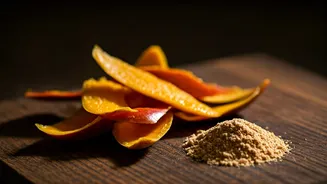
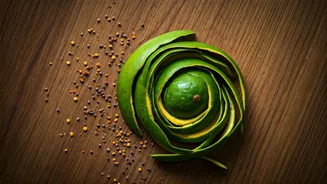
Creating your own snack powder from Langra peels is surprisingly simple. This late-season variety is perfect due to its relatively thin skin. 1. **Wash and Prep:** After enjoying the mango, wash the peels again under running water. Pat them completely dry with a clean cloth. 2. **Slice Thinly:** Cut the peels into thin, uniform strips. The thinner the strips, the faster and more evenly they will dry. 3. **Dehydrate:** You have two main options for drying. The traditional method is sun-drying. [23] Spread the peel strips on a clean cloth or tray and leave them in direct, strong sunlight for two to three days, or until they are completely brittle and snap easily. [23, 28] Alternatively, you can use an oven or an air fryer on the lowest temperature setting (around 80°C) for a few hours until they are fully dehydrated and crisp. [24] 4. **Grind to a Powder:** Once the peels are bone-dry and have cooled down, transfer them to a powerful spice grinder or mixer. [21] Grind them until you have a fine, consistent powder. You may need to sift the powder to remove any larger, fibrous bits and re-grind them. 5. **Store Correctly:** Store your homemade mango skin powder in a clean, airtight glass jar in a cool, dark place. It should stay fresh for several months. [21]
How to Use Your Tangy Snack Powder
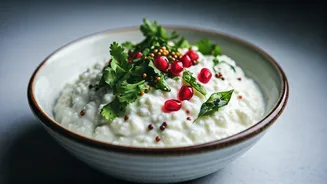
This powder is not sweet like the fruit; instead, it has a tangy, slightly bitter, and complex flavour, similar to amchur (dry mango powder) but with a more fibrous texture. Its uses are incredibly versatile. * **As a Seasoning:** Sprinkle it over salads, fruit chaats, or raita for a zesty kick. [14] * **In Spice Blends:** Add it to your homemade garam masala or other spice rubs for meat and fish to provide a unique tangy note. [14] * **Flavour for Snacks:** Mix a pinch into yoghurt for a flavoured dip or blend it into smoothies for an antioxidant boost. [7] * **In Curries and Dals:** Use it as a souring agent in lentil dishes and curries, much like you would use amchur or tamarind. [18] * **On Popcorn:** Toss freshly made popcorn with a little ghee or oil and a sprinkle of mango peel powder and salt for a delicious and healthy snack.