



The Minds Behind the Mission Menu
The pioneering work is led by teams at the Defence Food Research Laboratory (DFRL) in Mysuru, a premier establishment under the Defence Research and Development Organisation (DRDO). While part of a nationwide scientific effort that includes expertise
from cities like Hyderabad, DFRL is at the forefront of creating a food supply system that is safe, nutritious, and appealing for Indian astronauts. This initiative is a critical component of the upcoming Gaganyaan mission, India’s first human spaceflight program, which aims to demonstrate the nation's capability to send a crew into a low-Earth orbit of 400 kilometres and return them safely.
What's on the Menu in Zero Gravity?
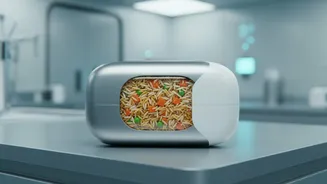
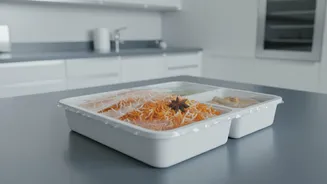
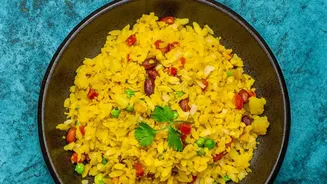
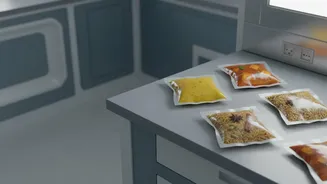
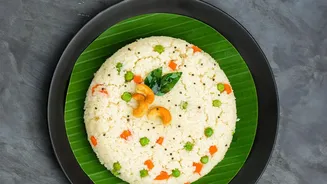
Forget stereotypical astronaut food from old movies. The menu being prepared for India's 'Vyomanauts' is designed to be both functional and familiar. It includes a variety of ready-to-eat meals featuring Indian cuisine, such as vegetable biryani, dal, and aloo curry. These are prepared using thermo-stabilisation technology, a process similar to canning that ensures a shelf life of over a year without refrigeration. Alongside these meals, scientists have developed high-energy nutri-bars, fruit juices, and flavoured water, all designed to provide a balanced diet and keep the crew in peak physical and mental condition while in orbit. The focus is on providing a taste of home, which is considered crucial for the psychological well-being of astronauts on long missions.
The Unique Science of Space Food
Eating in space presents a unique set of challenges that terrestrial food simply cannot meet. First, there's the issue of zero gravity. Food must be packaged to be eaten easily without floating away, and it must produce very few crumbs. Crumbs can float into and damage sensitive equipment or be inhaled by the crew. Therefore, items like bread are often replaced with tortillas or specially formulated bars. Second, the food must be lightweight and compact to save precious cargo space. Finally, and most importantly, it needs to have an exceptionally long shelf life while retaining all its nutritional value, as resupply missions are infrequent and costly. The work done by Indian scientists addresses all these factors, ensuring the food is not just edible but optimised for the harsh environment of space.
Fuelling India’s Gaganyaan Dream
The development of indigenous space-grade food is a major milestone for the Indian Space Research Organisation (ISRO) and the Gaganyaan mission. Having a self-reliant food system means India does not need to depend on foreign space agencies for this critical aspect of human spaceflight. It enhances the mission's autonomy and showcases the country's growing technological prowess. This capability is not just about feeding a few astronauts; it is a foundational element for future, more ambitious missions, such as long-duration stays in space or potential outposts on the Moon or Mars. By mastering the art of space cuisine, India is ensuring its astronauts are well-fed and mission-ready as they venture into the final frontier.
From Space to Your Kitchen?
While designed for the stars, the innovations in food technology often find their way back to Earth. The techniques used to create long-lasting, highly nutritious, and convenient meals for astronauts have significant terrestrial applications. This technology could be invaluable for military personnel in remote locations, for disaster relief operations where fresh food is scarce, or even for the consumer market as healthy, on-the-go meal solutions. The research into thermo-stabilisation and nutrient preservation could lead to a new generation of packaged foods that are healthier and have a lower environmental footprint, proving that reaching for space often helps us solve problems right here on our own planet.