




An Anxious Wait for Rain
The Southwest monsoon, the lifeblood of India's agriculture, has had a stuttering journey in 2026. After a significant deficit in June, rainfall recovered in parts of July, but the distribution has been patchy. As of mid-August, the cumulative rainfall deficit for
the country remains notable, with forecasts suggesting momentum could weaken again. This inconsistency is crucial because around half of India's farmland is rain-fed, making the monsoon's performance a primary determinant of agricultural output. The India Meteorological Department (IMD) has forecast below-normal rainfall for the second half of the season, from August to September, largely driven by strengthening El Niño conditions, which typically weaken the monsoon.
Kharif Crops on the Edge
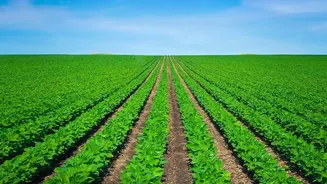
The monsoon's unpredictable behaviour directly impacts the sowing of Kharif (summer) crops, which are planted during this season. A delayed or weak start to the rains often leads to a lag in planting. While a strong July revival helped narrow the sowing gap, acreage for key crops like rice, pulses (specifically tur), and coarse cereals was still trailing the previous year's figures as of mid-August. The concern now shifts from sowing to yields. With the planting window virtually closed, the focus is on whether the crops already in the ground will receive enough moisture during their critical growth stages in August and September to ensure a healthy harvest. Below-average rainfall in the coming weeks could stunt growth and reduce overall productivity.
Which Foods Are Most Vulnerable?
Recent data already shows a mixed but worrying trend in food prices. While items like tomatoes and potatoes have seen some price relief, the costs of other daily essentials are climbing. Retail food inflation rose to 5.52% in July, up from 5.32% in June. The pressure is particularly visible in prices for ginger, garlic, and onions, which have seen sharp year-on-year increases. Pulses and some edible oils are also areas of concern. A poor harvest due to insufficient rain would further squeeze the supply of these staples, likely leading to more significant price hikes that directly impact the cost of a typical Indian meal. The average retail price of rice has also been creeping up, adding to the inflationary pressure.
The Broader Economic Picture
Rising food prices don't just affect household grocery bills; they have a ripple effect across the entire economy. Food accounts for a large portion of India's consumer price index (CPI), meaning a spike in food costs can drive up overall headline inflation. India's retail inflation rose to 4.45% in July, moving further above the Reserve Bank of India's (RBI) 4% target, although it remains within the 2-6% tolerance band. The RBI has highlighted a weak monsoon linked to El Niño as a key risk to the inflation outlook. Persistent food inflation could complicate the central bank's efforts to manage economic growth and price stability, potentially limiting its room to maneuver on interest rates.