




The Pressure Cooker of High Stakes
India's examination system is in a state of unprecedented crisis. The fallout from the alleged paper leaks and irregularities in the 2026 National Eligibility cum Entrance Test (NEET-UG) and other national exams has spiralled into a full-blown confrontation.
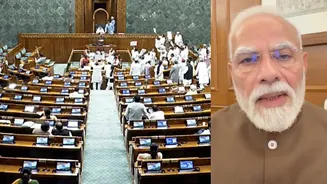
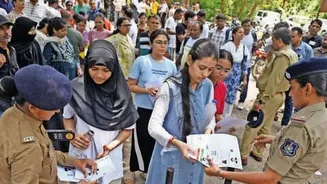
At the heart of the issue is a rigid, high-pressure schedule. On one side, the government, after initial denials, has been forced to act, cancelling the May 3rd NEET-UG exam, scheduling re-tests, and introducing legislation with tougher penalties for leaks. It has also initiated an overhaul of the National Testing Agency (NTA), the body responsible for these exams, removing dozens of officials and promising systemic reform. However, these actions are perceived by many as too little, too late, and executed with a bureaucratic inflexibility that fails to grasp the human cost. On the other side are millions of students, their families, and a coalition of youth-led protest groups. For them, this isn't about administrative adjustments; it is a profound breach of trust. They have spent years and significant financial resources preparing for these exams, which are the sole gateway to careers in medicine and other fields. Their demands have been clear: accountability, transparency, and a fundamental rethinking of the examination process. This has created a deadlock, a tight schedule where official timelines for reform clash with the urgent despair of a generation.
The Storm on the Horizon
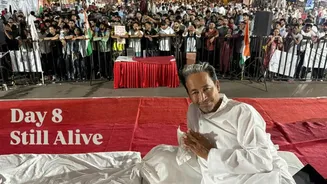
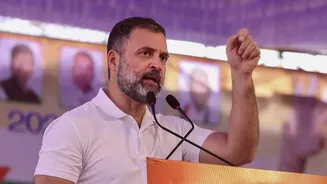
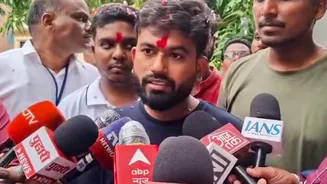
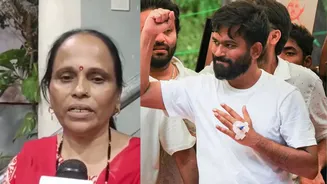
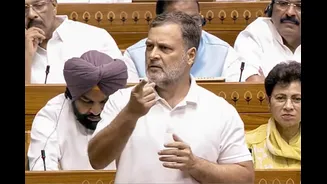
The metaphorical 'rain' in this scenario is not just the massive street protests that have already rocked New Delhi and other cities, leading to the resignation of the Union Education Minister—a rare victory for public pressure. The real storm is the long-term erosion of faith in meritocracy and the state's ability to act as a fair arbiter of opportunity. The protests, led by satirical youth groups like the Cockroach Janta Party and activists like Sonam Wangchuk, have captured the national imagination precisely because they tap into this deep-seated anxiety. For millions of young Indians, these exams are the central promise of social mobility. When that promise is broken by leaks and mismanagement, the disillusionment is profound and corrosive. There have been tragic reports of student suicides linked to the stress and uncertainty caused by the cancellations. This is the human cost of the crisis—a cost measured in shattered dreams, overwhelming anxiety, and a growing cynicism towards the very institutions that are supposed to safeguard their future. The government's response, which has included police crackdowns on protestors, has only intensified this feeling of alienation, creating a volatile atmosphere where any spark could ignite a much larger fire.
When the System Breaks
If this tight schedule is not loosened, the downpour will be one of systemic collapse. The consequences extend far beyond exam logistics. A loss of faith in national entrance tests could lead to a 'brain drain' of unprecedented scale, as talented students who can afford it look for opportunities abroad. It delegitimises the very idea of a national standard, potentially re-opening chaotic and inequitable state-level admission processes. Furthermore, it creates a crisis of governance. When a government cannot ensure the integrity of an examination for over two million aspirants, its claims of competence and efficiency ring hollow. The 'rain' is a future where a significant portion of the country's youth—its single greatest demographic asset—feels disenfranchised and cheated by the system. This breeds not just protests, but a lasting apathy and distrust that can cripple a nation's progress for decades. The government has formed high-level committees and is talking about tech-driven solutions, but these are long-term fixes for a crisis of confidence that is happening right now.
A Window to Loosen the Schedule
Loosening the schedule does not mean abandoning reforms or capitulating to every demand. It means demonstrating strategic empathy and building goodwill. The first step is to move beyond a rigid, defensive posture and engage in genuine, open dialogue with student representatives. The government's agreement to not punish student protestors, a promise that protest leaders now accuse them of breaking, was a step in the right direction that needs to be honoured to build trust. Instead of just announcing top-down reforms, authorities should create a transparent and consultative process for the NTA's overhaul, giving students a seat at the table. This means being flexible with timelines, communicating openly about investigative progress, and showing accountability that goes beyond a single ministerial resignation. It involves treating the millions of affected students as stakeholders whose feedback is crucial, not as an administrative problem to be managed. This shift in approach—from a tight schedule of unilateral action to a more flexible one of collaborative rebuilding—is the only way to begin clearing the air before the storm breaks.