


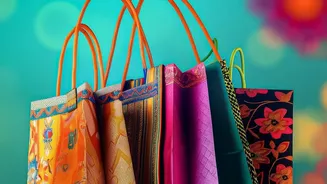
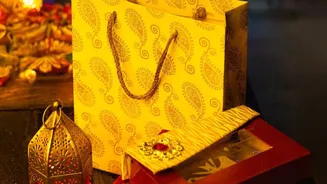
The mountain of mithai boxes and generic dry fruit trays is shrinking. A quiet but significant revolution is reshaping how Indians give gifts during festivals, moving from obligatory exchanges to meaningful expressions of care.
The Decline of the Generic Gift
For decades, festive gifting
in India followed a familiar script: a box of laddoos or kaju katli, a decorative platter of nuts, or a mass-produced home décor item. While rooted in tradition, this cycle often resulted in a pile of impersonal presents that were either consumed quickly, forgotten, or quietly passed on to someone else. The core issue wasn't the gift itself, but what it had come to represent—a gesture of obligation rather than genuine thought. In recent years, a clear shift has emerged. Consumers, especially urban millennials and Gen Z, are rejecting this 'one-size-fits-all' approach, seeking to give presents that feel chosen, not just purchased.
Utility Is the New Indulgence
One of the biggest drivers of this change is the growing appreciation for utility. Instead of items that are purely decorative or have a short shelf life, givers are opting for things that can be integrated into the recipient's daily life. This can range from premium kitchenware and stylish home appliances to tech gadgets and fragrance diffusers that offer a lasting sensory experience. Gifting a high-quality piece of cookware, for instance, is no longer seen as just a practical choice; it's viewed as a gift of wellness and everyday ease. These useful presents communicate a deeper level of care by considering the recipient's actual needs and lifestyle, making the gesture feel both personal and valuable long after the festival has ended.
A Focus on Quality Over Quantity
Alongside utility is a renewed emphasis on quality. Many are now choosing to give one exceptional, lasting gift rather than a hamper filled with smaller, less significant items. This 'fewer, but better' philosophy reflects a broader trend of mindful consumption. People are spending more per gift, but on items that are well-crafted, have a story, and are meant to endure. This includes handloom textiles, artisanal foods from a specific region, single-origin teas, or hand-poured soy wax candles. The story behind the gift—its provenance and craftsmanship—has become part of its value, turning an object into a conversation piece.
The Rise of Thoughtful Personalization
Perhaps the most significant change is the move towards 'thoughtfulness', where the gift is tailored to the recipient's personality. Generic hampers are being replaced by curated collections built around a person's specific tastes, whether it's a wellness-focused set for a health-conscious friend or a gourmet coffee selection for a caffeine lover. Personalization is key, extending to everything from jewellery with initials or birthstones to bespoke gift boxes where the giver handpicks every item. Experience-led gifts, such as a spa retreat, a fine dining voucher, or a pottery workshop, are also gaining popularity, prioritising the creation of memories over material possessions. This focus on the individual ensures the gift resonates on an emotional level, strengthening the bond between the giver and receiver.
Conscious Consumerism Shapes Choices
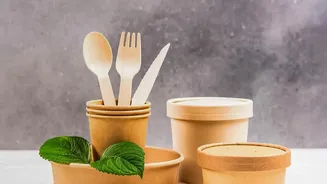
Underpinning this entire evolution is the rise of conscious consumerism. Givers are increasingly asking important questions: Where did this come from? Who made it? Is the packaging wasteful? This has led to a surge in demand for gifts that are sustainable, ecofriendly, and support local artisans and communities. Choosing products from 'Make in India' brands, items with GI tags that represent regional heritage, or hampers with reusable packaging are all ways this trend is manifesting. This mindful approach transforms gifting from a simple transaction into an act of positive impact, aligning the festive spirit of generosity with modern values of responsibility and sustainability.