


The Call of the Quiet River
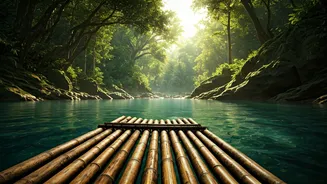
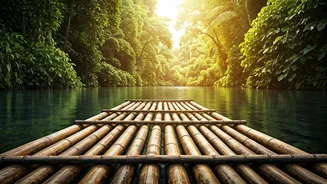
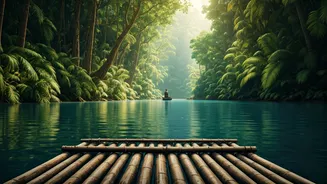
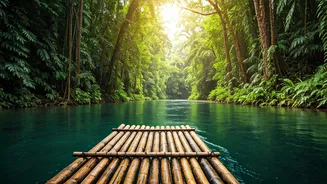
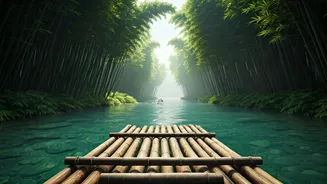
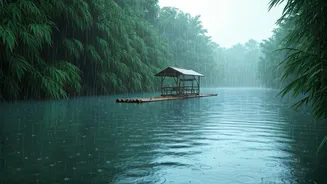
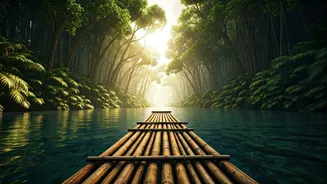
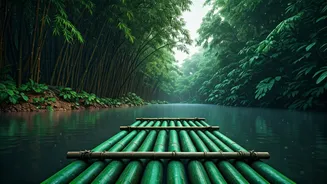
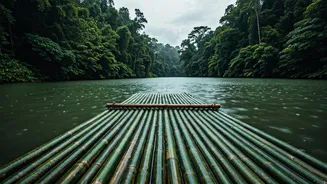
Imagine gliding silently along a tranquil river, the only sounds being the gentle splash of a wooden pole in the water, the rustle of leaves, and the distant call of a bird. This is the essence of bamboo rafting. Unlike its adrenaline-pumped cousin, white-water
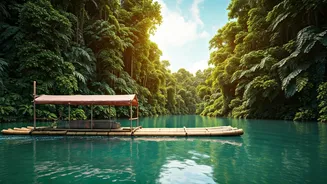
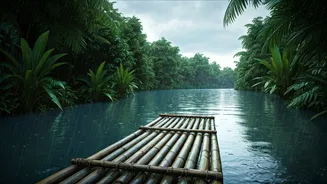
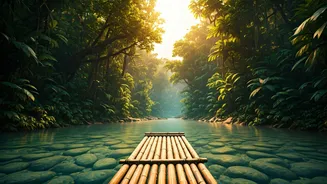
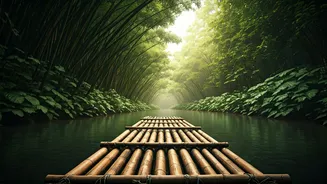
rafting, this activity is about immersion, not conquest. Seated on a sturdy raft crafted from seasoned bamboo poles lashed together with coir ropes, you are piloted by a guide through some of India's most pristine forests and wildlife sanctuaries. The pace is deliberately slow, allowing you to become part of the landscape rather than just a visitor passing through. It’s an antidote to the noise of modern life, offering a rare chance for quiet contemplation and connection.
Why Slow Adventure is Trending
The growing popularity of bamboo rafting speaks to a larger shift in how we approach travel. In an era of digital overload, many are seeking out 'slow adventures'—experiences that prioritise mindfulness and genuine connection over ticking off a checklist of sights. Bamboo rafting fits this mould perfectly. It’s a low-impact activity, both physically and environmentally. There are no engines polluting the air or churning the water. The experience encourages you to put your phone away and engage your senses: to watch for a Malabar giant squirrel in the canopy, to listen for the trumpeting of an elephant, or to simply feel the gentle sway of the raft on the water. It’s an active form of meditation, a way to reset your internal clock to the rhythm of nature.
India's Premier Rafting Destinations
While the concept is simple, the locations offering bamboo rafting in India are nothing short of spectacular. Here are a few top spots: **Thekkady, Kerala:** Perhaps the most famous destination, the bamboo rafting program in the Periyar Tiger Reserve is a must-do. Run by the Forest Department and local community members, it offers full-day and half-day programs that combine rafting on the Periyar Lake with gentle jungle trekking. It's one of the best ways to spot wildlife like elephants, gaur, and sambar deer from a safe and respectful distance. **Wayanad, Kerala:** The calm waters of the Pozhuthana River in Wayanad offer another idyllic setting. Here, the experience is often more intimate, taking you through dense greenery and past local plantations. The Kuruva Island (Kuruvadweep) is a protected river delta that also features bamboo rafts as a primary way to explore its network of streams. **Coorg, Karnataka:** The Dubare Elephant Camp and the nearby Nisargadhama, a beautiful ecological park on an island in the River Kaveri, also offer bamboo rafting experiences. While shorter in duration, they provide a refreshing and scenic break, allowing visitors to appreciate the region's lush riverine ecosystem.
What to Expect on Your Trip
Preparing for a bamboo rafting adventure is simple. Dress in comfortable, quick-drying clothes and wear sturdy footwear suitable for walking, as many tours include a short trek. A hat, sunscreen, and insect repellent are essential. Most importantly, bring a pair of binoculars and a patient, observant attitude. Wildlife sightings are a matter of luck, but your guide, often from a local tribal community with deep knowledge of the forest, will point out flora and fauna you would otherwise miss. Most trips are guided and include life jackets for safety. The rafts are surprisingly stable, but you should be prepared for a bit of splashing. It’s all part of the fun. These programs are typically limited to small groups to minimise disturbance to the environment, so booking in advance is highly recommended, especially during peak season.