




An Irresistible Culinary Embrace
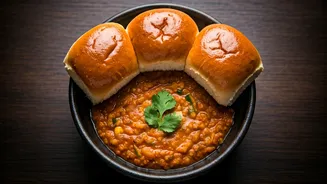
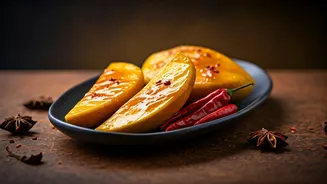
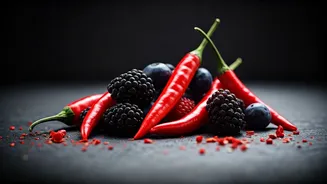
Think of the sticky, spicy glory of honey chilli potatoes, the tangy-sweet-heat of a good bhel puri, or the complex warmth of a Parsi dhansak. [5, 7] The combination of sweet and heat, recently dubbed 'swicy' in global food circles, is a flavour profile
that feels intrinsically Indian. [7] It's a culinary hug and a playful slap in the same bite — the initial sweetness draws you in, creating a comforting sensation, just before the heat from the chillies builds into a pleasant, lingering warmth. This isn't just about flavour; it's a full sensory experience. The sweetness makes you want another bite, while the heat provides an exciting counterpoint that prevents the dish from being cloying. This dynamic pairing triggers multiple taste receptors at once, creating a complex, satisfying, and often addictive experience that keeps us coming back for more. [7]
A Taste with Deep Historical Roots
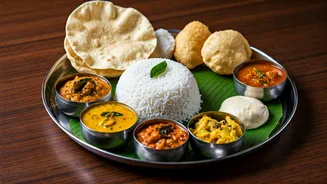
While the term 'swicy' may be modern, the practice is ancient in India. Our love for this combination isn't a new fad imported from the West; it's a philosophy that has been woven into our regional cuisines for generations. [30] Look no further than Gujarati food, where the khatti-meethi (sweet and sour) dal is a staple. [3] This dish masterfully balances the sweetness of jaggery with the tartness of kokum or tamarind, and the subtle heat of spices. [2, 3] Similarly, Parsi cuisine has long celebrated this harmony. Dhansak, a hearty lentil and meat stew, is renowned for its perfect blend of sweet, sour, and spicy notes, often achieved using jaggery and tamarind alongside a unique spice blend. [9, 21] Even South Indian dishes, like the Udupi-style sugarcane curry known as Kabbu Gojju, showcase this principle by cooking sugarcane in a fragrant, spicy coconut gravy balanced with jaggery and tamarind. [27] From chutneys that accompany samosas to pickles that adorn every meal, the sweet-heat principle is a foundational element of Indian food. [5, 35]
The Science of Sensation
There's a scientific reason why this combination is so compelling. The sensation of 'spicy' isn't a taste in the same way as sweet, sour, salty, or bitter. It's actually a pain and temperature signal detected by receptors in our mouth. [16, 23] The chemical in chillies, capsaicin, tricks our brain into thinking we're experiencing heat. [12] Sweetness, on the other hand, is a classic taste that our brains are wired to find pleasurable, an evolutionary signal for energy-rich food. When you combine the two, something fascinating happens. The sugar can help temper the 'pain' of the capsaicin, making the heat more enjoyable and less overwhelming. This creates a balanced, layered experience that is more complex and interesting than either flavour on its own. [23] This interplay explains why a sweet lassi or a piece of jaggery can feel so soothing after a spicy meal. [28]
The Modern 'Swicy' Wave in India
Today, this age-old flavour combination is experiencing a modern renaissance, both globally and within India. The trend of 'hot honey'—honey infused with chillies—has become a viral sensation, drizzled on everything from pizza to fried chicken. [13, 15] While it gained popularity in the US, Indian chefs and food brands are now reclaiming it, pointing out that we've been pairing sweet and heat for centuries. [11, 30] You can see this evolution in contemporary restaurant menus and new consumer products. Chefs are experimenting with spicy mango salsas, hot honey glazes on paneer and chicken, and even chilli-chocolate desserts. [7] This renewed focus is not just about copying a global trend but about re-appreciating and re-packaging a flavour combination that is quintessentially Indian for a new generation. [30]