







The Search for Authentic Connections
The modern traveller, particularly among millennials and Gen Z, is driven by a desire for experiences over simple sightseeing. This is not just about a place to sleep; it’s about finding a deeper connection to the destination. Research shows a massive
preference for cultural exchange and supporting local communities. In fact, a recent survey highlighted that 95 percent of Indian travellers are actively seeking authentic local experiences. Instead of the anonymous efficiency of a hotel lobby, they crave the warmth of a local host who can share insider tips, from the best neighbourhood chai stall to a hidden trail with a great view. This human element transforms a trip from a passive itinerary into an active, immersive journey.
What 'Unique Spaces' Really Means
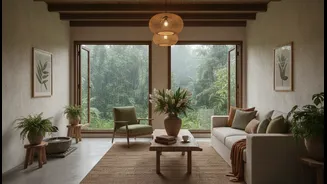
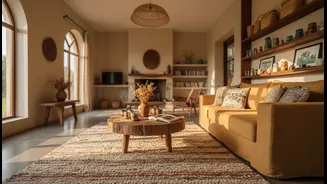
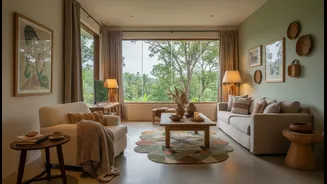
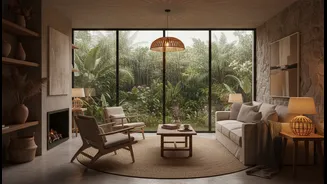
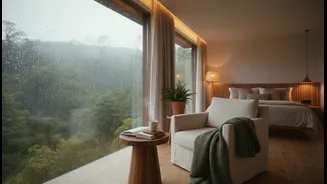
The term 'unique space' has come to represent an antidote to the standardised hotel room. Travellers are increasingly booking stays in unconventional accommodations that offer character and a sense of place. This includes everything from restored heritage havelis in Rajasthan and traditional backwater homes in Kerala to eco-lodges in the Himalayas and architect-designed villas in Goa. The vacation rental market in India is projected to reach nearly USD 2.4 billion in 2025, a clear indicator of this demand. This trend is about more than just novelty; it's about staying in a place that is as memorable as the destination itself, whether it's a 'salvaged stay' in a creatively repurposed building or a minimalist cabin designed for disconnecting.
More Than a Room, It's an Experience
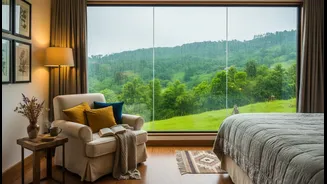
The appeal of these alternative accommodations often lies in the amenities and flexibility they offer compared to hotels. A private kitchen for cooking with local market produce, a garden for a quiet morning coffee, or simply more space for a family or group of friends to gather adds a different kind of value. This model also caters to the rise of remote work and 'workations', where travellers blend leisure with professional life and require the comforts of a home. For many, this perceived value isn't just about saving money; it’s about gaining a lifestyle, even if only for a few days. The experience is the new luxury, defined not by opulence but by authenticity and personal freedom.
A Generational Shift in Travel Values
This movement is heavily influenced by younger generations who are digital natives, comfortable planning their own trips and seeking out 'off-the-beaten-path' destinations. Gen Z and millennials are shaping the future of travel with a focus on sustainability, personal growth, and creating unique content for social media. They are less loyal to big brands and more interested in how their travel choices align with their values, such as supporting small businesses and reducing their environmental impact. This generation’s priorities are accelerating the shift, with India's experiential travel market projected to grow significantly, driven by young, aspirational spenders.
How the Industry is Responding
The hospitality industry is taking note. Even major hotel brands are now venturing into the homestay market, launching their own lines of boutique villas and curated local stays to capture this demand. This hybrid approach acknowledges that the modern traveller's needs are diverse. While hotels will always have a place, especially for business travel or those seeking full-service amenities, the growth is clearly in personalised, character-rich experiences. The rise of the local host and the unique stay signals a fundamental change in what it means to travel well.