

The Rise of Functional Sweets
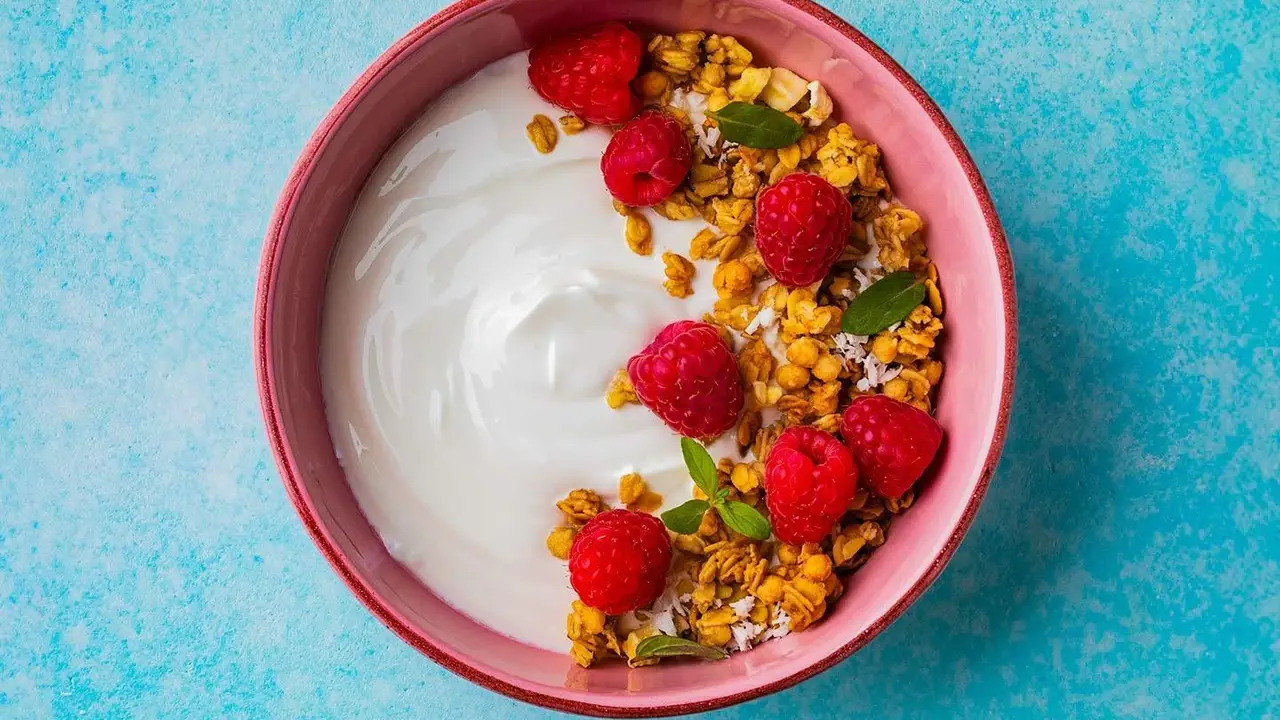
Scroll through any social media feed popular with millennials and Gen Z, and you'll see it: protein ice cream, brownies made with whey, and cheesecakes built on a base of Greek yogurt. What was once a niche product for hardcore gym-goers has officially
gone mainstream. This trend is a key part of the booming functional foods market in India, which is projected to grow significantly, with some estimates suggesting a compound annual growth rate of around 10%. Consumers are increasingly looking for foods that do more than just fill them up; they want benefits like improved gut health, stronger immunity, and, in this case, muscle support and satiety. The appeal is simple: it reframes dessert from an unhealthy indulgence into a smart, purposeful choice that aligns with a wellness-oriented lifestyle. This allows young food lovers to enjoy a treat without feeling like they've derailed their health goals.
Driven by a Culture of Wellness
So, what's behind this craving for protein-packed sweets? A major driver is the explosive growth of fitness culture in India. More young people are tracking their macronutrients, hitting the gym, and seeing food as fuel. Protein is essential for muscle repair and growth, and a protein-rich dessert can serve as a tasty post-workout reward. Furthermore, busy urban lifestyles play a role. For those juggling long work hours and fitness routines, a convenient, protein-fortified snack that also feels like a treat is a win-win. This trend is amplified by an army of fitness and nutrition influencers on platforms like Instagram who share recipes for everything from protein ladoos to chocolate avocado mousse. This digital exposure has normalized the idea of desserts that are both delicious and nutritionally enhanced.
Are They Actually a Healthier Choice?
The million-dollar question is whether these desserts are genuinely healthy. According to dietitians, the answer is nuanced. Adding protein doesn't automatically negate the sugar, fat, or calories that might also be present. A protein brownie is, after all, still a brownie. Experts advise looking beyond the front-of-package claims and examining the entire nutritional profile. However, they also agree that it's not just clever marketing. A key benefit of protein is satiety; it helps you feel fuller for longer, which can prevent overeating. A dessert with a good amount of protein can also help stabilize blood sugar levels, avoiding the sharp spike and subsequent crash associated with traditional sugary sweets. The consensus is that while they aren't a free pass, these desserts can be a more balanced and satisfying option when chosen wisely.
The Indian Mithai Makeover
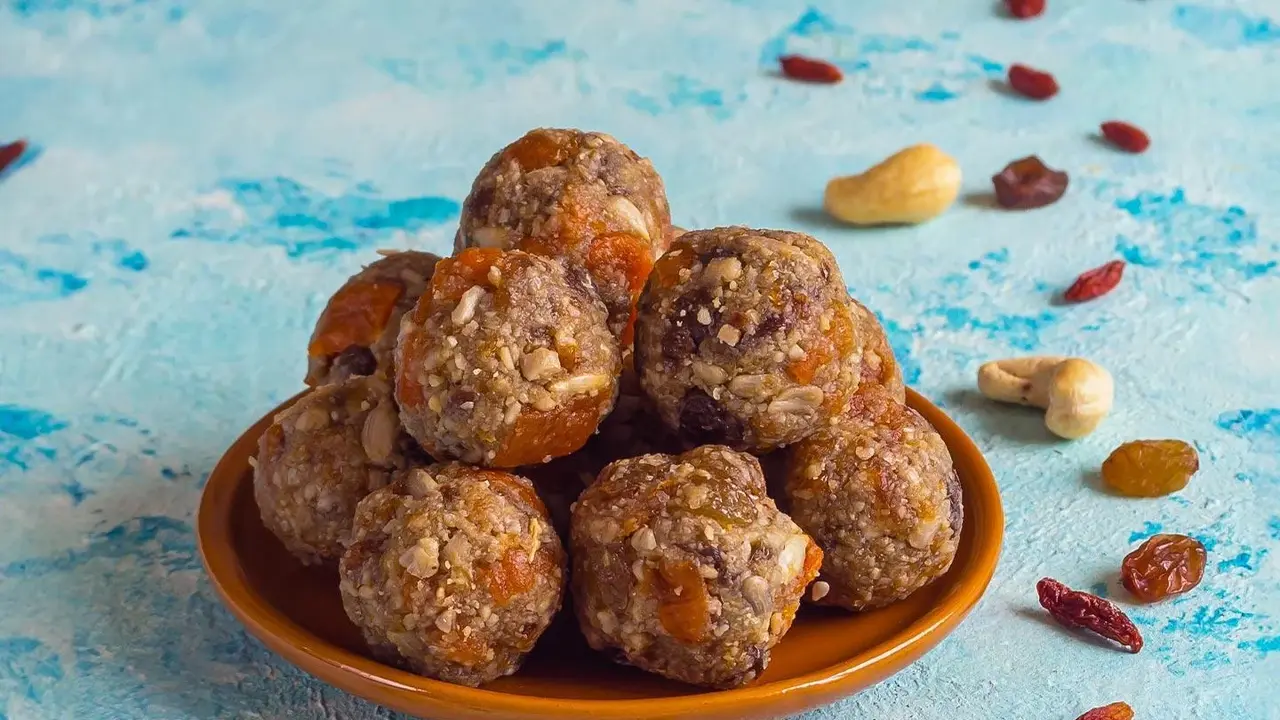
This trend isn't just about Western-style desserts like cookies and ice cream. It's also inspiring a creative re-imagination of traditional Indian sweets. Many classic mithais are inherently rich in protein thanks to ingredients like milk, paneer (chenna), besan (gram flour), and nuts. Sweets like sandesh, milk cake, besan ladoo, and certain types of barfi have long been protein sources. Today, confectioners and home cooks are taking it a step further. They are creating modern versions by swapping refined sugar for jaggery or dates, using skimmed milk for kheer, and adding protein powder or seeds to ladoos. This fusion of tradition and modern nutritional science allows young Indians to connect with their culinary heritage in a way that aligns with their contemporary health values, enjoying a bowl of mishti doi or a piece of moong dal halwa not just for its taste, but for its protein content too.