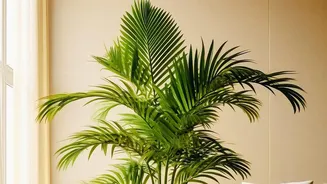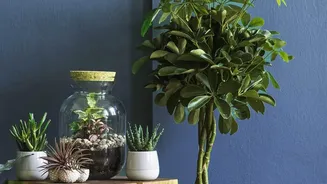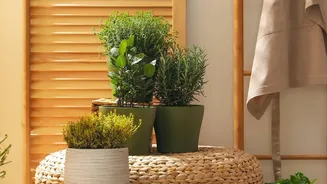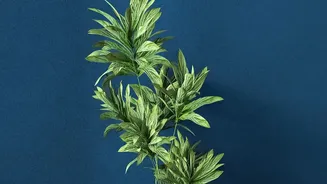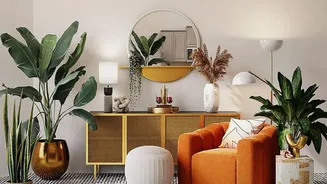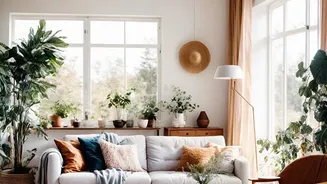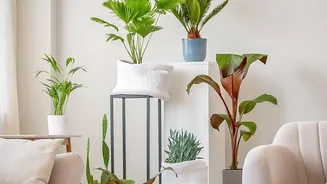


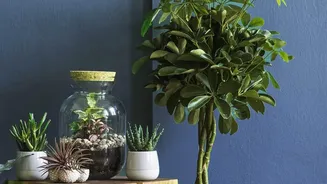

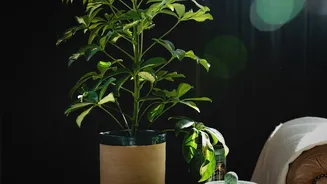
First, Become a Light Detective
Before you buy a single plant, take a day to observe the light in your home. This is the single most important step for success. Notice which way your windows face. South-facing windows typically get the most intense, direct light, especially in the afternoon.
West-facing windows also get strong direct sun in the late afternoon. East-facing windows offer gentler morning light, while north-facing windows provide the least amount of light, which is always indirect. 'Bright, indirect light' means a spot that is well-lit for most of the day but doesn't get hit by the sun's actual rays. A simple trick is the shadow test: at midday, hold your hand a foot above a surface. A sharp, well-defined shadow indicates high, direct light. A softer shadow means medium or bright indirect light, and a faint, blurry shadow points to a low-light area.
For Your Low-Light Corners
Many people assume they can't have plants because their home is too dark, but several species are perfectly happy in lower light conditions. These are the unsung heroes of hallways, bathrooms, and rooms with small windows. The Snake Plant (Sansevieria) is nearly indestructible, tolerating very low light and infrequent watering. Its tall, architectural leaves add a modern touch. Similarly, the ZZ Plant (Zamioculcas zamiifolia) is famous for thriving on neglect, with glossy, dark green leaves that look polished. Another fantastic choice is the Money Plant (Pothos), which can survive in low light, though it grows faster and more variegated in brighter spots. Its trailing vines are perfect for placing on top of shelves or cabinets.
Perfect for Bright, Indirect Spots
The category of 'medium' or 'bright, indirect light' is where the vast majority of popular houseplants thrive. These spots are often a few feet away from an east or west-facing window. The Spider Plant (Chlorophytum comosum) is a classic for a reason: it's easy to care for, purifies the air, and produces 'babies' that can be propagated into new plants for free. The Peace Lily (Spathiphyllum) offers elegant dark leaves and beautiful white blooms, and it conveniently droops when it needs water. You can also consider the lush, split leaves of a Monstera Deliciosa or the rich, dark foliage of a Rubber Plant (Ficus elastica), both of which make a big statement without needing direct sun.
Embracing the Sunniest Windowsills
If you have a spot that gets several hours of direct, unfiltered sun each day, don't be afraid to use it. While many houseplants will get scorched leaves in such conditions, some are specifically adapted to soak up the rays. This is the domain of most succulents and cacti, which evolved in desert environments. An Aloe Vera plant will be very happy in a bright spot and offers the bonus of its medicinal gel. For something more dramatic, a Croton can produce a riot of colour in shades of red, orange, and yellow when given enough direct light. The iconic Bird of Paradise (Strelitzia) also loves bright light and can bring a truly tropical feel to a sun-drenched room.
Decorating on a Budget
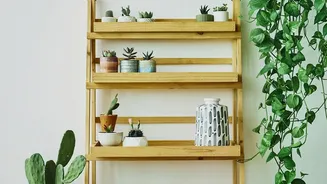
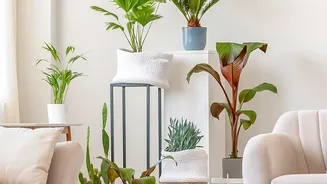
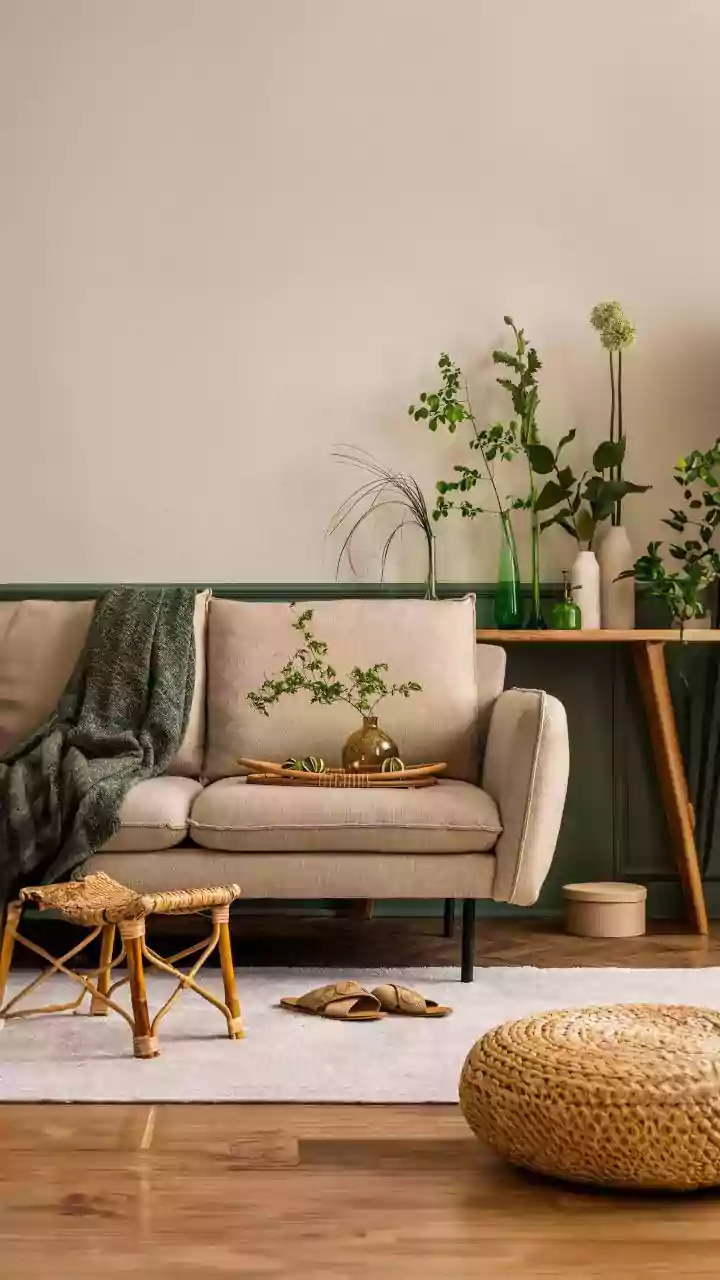
Matching plants to light doesn't just keep them alive; it's the foundation of low-cost decorating. Instead of buying expensive pots, upcycle old containers like mugs, jars, or tins. Just be sure to add drainage holes or place the plant in a nursery pot inside the decorative one. To create a high-impact look for less, buy smaller, cheaper plants and give them the right conditions to grow into bigger specimens. Grouping plants together can make a space feel lush and intentional. Try pairing plants in groups of three with varying heights—a tall floor plant, a medium one on a stool, and a trailing one hanging from a shelf—to create a dynamic, styled corner. Placing plants strategically can also solve design problems, like filling an awkward empty corner or creating a more pleasant view out a window.