


Why the Monsoon Increases Food Contamination Risks
The rainy season creates ideal conditions for harmful bacteria, viruses, and fungi to thrive. High humidity and moisture in the air accelerate food spoilage. Waterlogging and floods can lead to the contamination of water sources, which are then used to irrigate
vegetable crops. This means that fresh produce, especially leafy greens, can carry germs picked up from the soil and water. Additionally, the slower and often disrupted transport of goods during heavy rains can mean produce spends more time in damp conditions, further increasing the chance of microbial growth before it even reaches your kitchen.
The Challenge with Raw Salads and Leafy Greens
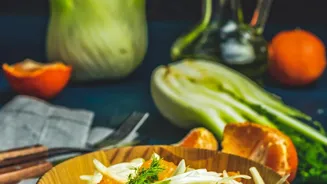
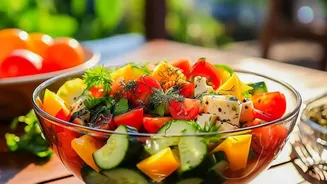
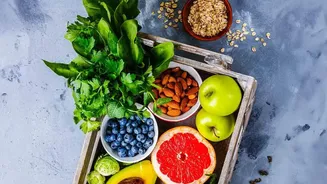
Leafy vegetables like spinach, lettuce, and cabbage are particularly risky when consumed raw during the monsoon. Their many layers and folds can easily trap dirt, germs, and even tiny insects, which are difficult to wash away completely. These vegetables grow close to the soil, making them susceptible to contamination from dirty water. While a fresh salad is normally a healthy choice, the risk of consuming unseen pathogens increases significantly during this season. Many experts suggest that cooking vegetables is a much safer option, as the heat helps kill any harmful microorganisms.
Handling Fruits with Care
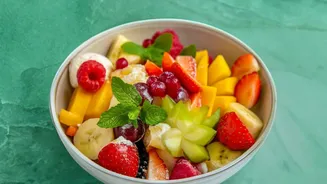
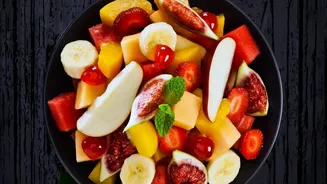
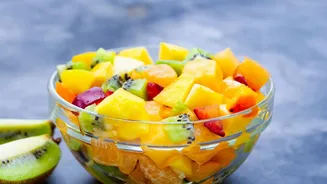
Like vegetables, fruits also require extra attention. Pre-cut fruits sold by street vendors are best avoided. Once the protective peel is removed, the fruit is exposed to dust, flies, and bacteria in the humid air, leading to quick contamination. It is always safer to buy whole fruits and cut them at home just before eating. Fruits with thick peels that you can remove yourself, such as bananas, oranges, and pomegranates, are generally a safer choice as the edible part remains protected. However, it is still essential to wash the outside of the fruit thoroughly under running water before you peel or cut it to prevent transferring germs from the surface to the inside.
Essential Safety Tips for an Enjoyable Monsoon
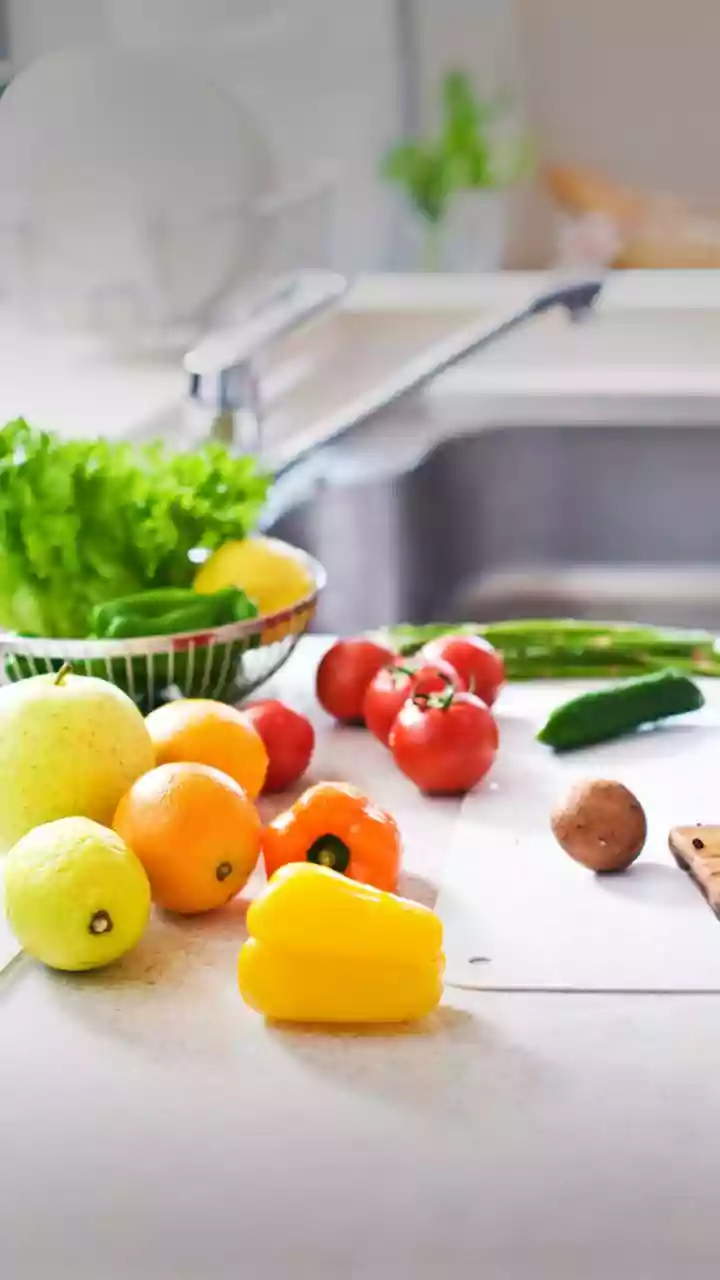
You don't need to completely give up on fresh produce. By following some simple food safety rules, you can significantly reduce your risk of falling ill. Always wash your hands with soap and water before handling food. Wash all fruits and vegetables thoroughly under clean, running water. For leafy greens, consider soaking them in a bowl of clean water with salt or vinegar for about 15 minutes to help dislodge hidden dirt and germs. Peel fruits whenever possible. It’s best to steam or cook your vegetables instead of eating them raw. If you do decide to have a raw salad, prepare it fresh just before consumption and avoid storing it.
Making Smart Choices When Eating Out
It is generally advised to be extra cautious about eating out during the monsoon, especially from street vendors. The hygiene standards and the quality of water used for cooking and cleaning can be uncertain. Foods like chaat and golgappas, which often use raw ingredients and unpurified water, are common sources of stomach infections during this time. If you are eating out, opt for freshly prepared, hot cooked meals from reputable establishments. This is a time when a simple, home-cooked meal is not only comforting but also your safest bet against seasonal illnesses.